



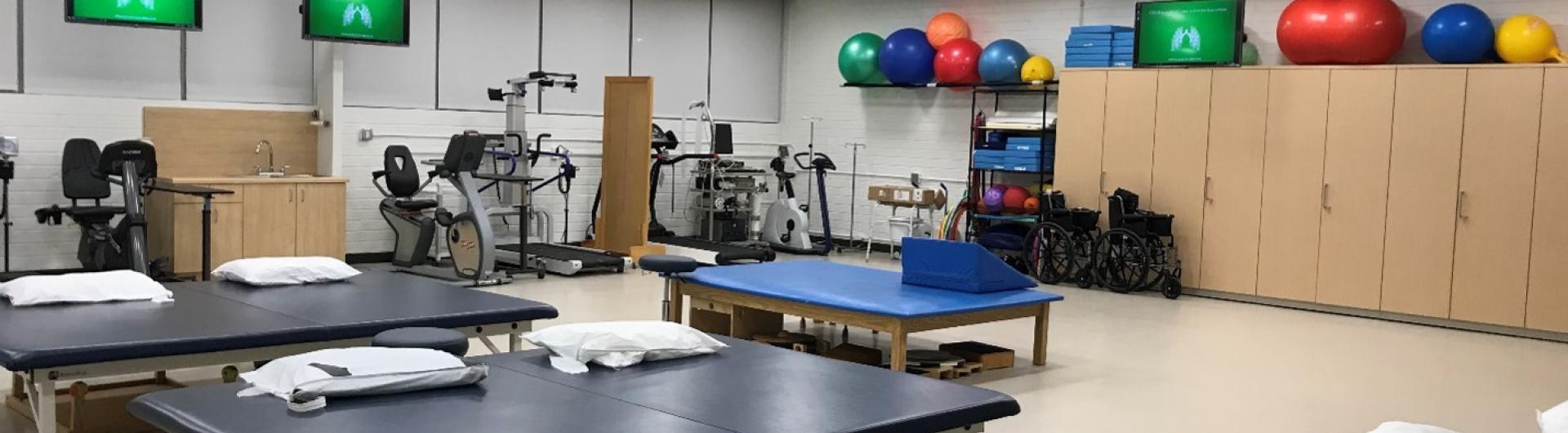
Neurorehabilitation and Cardiometabolic Health Lab
The Neurorehabilitation and Cardiometabolic Health lab studies how rehabilitation and exercise can improve recovery and cardiometabolic health after stroke, concussion, and other chronic conditions. We combine large-scale electronic health record (EHR) analysis with community-engaged research, physiologic assessment, and exercise intervention trials, with a focus on adults from communities underrepresented in rehabilitation research.
Research focus: Electronic health record analysis, physiologic assessment, and rehabilitation exercise interventions to identify the dose needed to restore function and reduce cardiometabolic risk after neurologic injury, and to help deliver that dose consistently in routine care.
Research areas of interest: Rehabilitation Dose and Stroke Outcomes, Community-Engaged Stroke Research, Exercise for Cardiometabolic Health, Concussion
Directors
Image
| Image
|
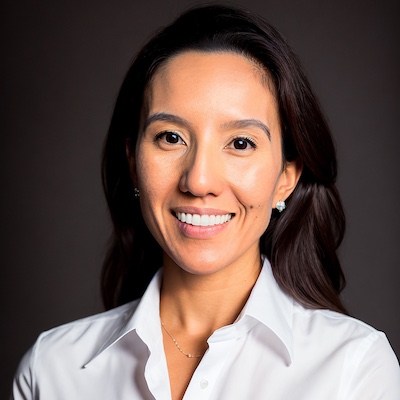
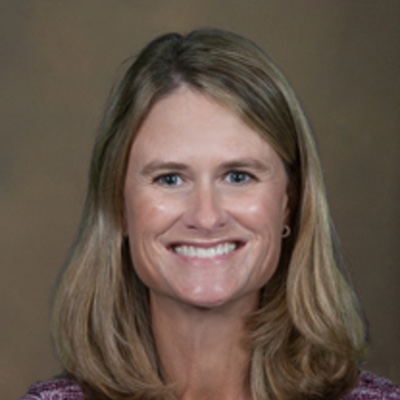
| Jackie Dawson, PhD, CSCS Associate Professor | Kristin DeMars, PT, DPT, NCS Assistant Professor |
Collaborators
- Olga Korosteleva, PhD, Professor, Department of Mathematics and Statistics, CSULB
- Ayla Donlin, MS, EdD, Department of Kinesiology, CSULB
- Alison Ede, PhD, Department of Kinesiology, CSULB
- Scott Ducharme, PhD, Department of Kinesiology, CSULB
Andrew Bartlett, PT, PhD, Department of Physical Therapy, California State University, Northridge
Rehabilitation Dose and Stroke Outcomes in EHR Data
We use large, diverse EHR datasets to study how rehabilitation after stroke relates to recurrent stroke, mortality, and walking recovery.
Physical Therapy Utilization and Secondary Stroke Risk in the All of Us Research Program
- Principal Investigator: Jackie Dawson, PhD
- Collaborators: Angela Gasdaska, MS, Kristin DeMars, PT, DPT, NCS, Ali Soroush, MS, MD
We examined whether physical therapy utilization after a first stroke was associated with recurrent stroke and mortality in a national cohort designed to include populations underrepresented in research. This work was developed through the NIH AIM-AHEAD All of Us training program and presented at the 2026 International Stroke Conference and APTA Combined Sections Meeting.
Community-Engaged Stroke Research
We partner with stroke survivors and care partners to understand what makes exercise after stroke possible.
Perspectives of Stroke Survivors and Care Partners on Exercise Participation
- Principal Investigators: Jackie Dawson, PhD and Kristin DeMars, PT, DPT, NCS
We interviewed stroke survivors and care partners at the CSULB Neurologic Physical Therapy Clinic to understand barriers and facilitators to exercise after stroke, including for survivors with complex communication and social needs.
- This project was presented by Beck K, Betts M, Erdkamp J, McCauley C, Reilly K, Rizo L, Siqueiros J at the 2026 APTA Combined Sections Meeting and received the Outstanding Social Responsibility Poster Award, APTA Academy of Leadership
Exercise for Cardiometabolic Health
We design and test exercise interventions that reduce barriers to participation and improve cardiometabolic health. Past work includes a randomized pilot trial of a remotely delivered, group-based mobile health exercise program for inactive adults, and resistance training trials in prostate cancer survivors on androgen deprivation therapy. Lessons from these trials on progressing exercise volume and intensity now inform how we define rehabilitation dose after stroke.
A Mobile Health Group Exercise Intervention for Cardiometabolic Health (Completed)
- Principal Investigator: Jackie Dawson, PhD
- Collaborators: Ayla Donlin, MS, EdD; Alison Ede, PhD
This three-arm randomized pilot trial tested a remotely delivered, group-based exercise program using wearable sensors and mobile apps in physically inactive adults. The intervention was feasible and acceptable, and Hispanic ethnicity moderated exercise behavior
Autonomic and Cardiovascular Function After Concussion
We study how sport-related concussion affects cardiovascular and autonomic function in collegiate athletes. Using heart rate variability, the cold pressor test, and vestibular/ocular-motor screening, we compare baseline and post-concussion measures to better understand physiologic recovery and inform return-to-play decisions.
- Principal Investigator: Kristin DeMars, PT, DPT, NCS
- Collaborators: Jackie Dawson, PhD
Data Resources
NIH All of Us Researcher Workbench (Controlled Tier)
Equipment
Equipment used in our research includes phlebotomy collection and specimen storage, Parvomedics metabolic cart, GE iDXA, BIOPAC ECG system, BIO-RAD microplate reader, GAITRite electronic walkway, Zephyr performance monitoring, ActiGraph activity tracking, and the NuStep.
Software
Python, R, MATLAB, Kubios, SPSS
Students: The Neurorehabilitation and Cardiometabolic Health Lab welcomes Doctor of Physical Therapy and undergraduate students interested in stroke rehabilitation, health data science, and exercise for chronic disease. Students take part in data analysis, interviews and focus groups, and conference presentations. Past lab members have earned NIH MARC, BUILD, and LSAMP fellowships and CSULB summer research awards.
Stroke survivors and care partners: If you are interested in sharing your experience or joining our Stroke Survivor Advisory Panel, please contact us.
Contact: Jackie Dawson, PhD, jacqueline.dawson@csulb.edu, Kristin DeMars, PT, DPT, Kristin.demars@csulb.edu
