School of Social Work holds Signature Public Child Welfare Event
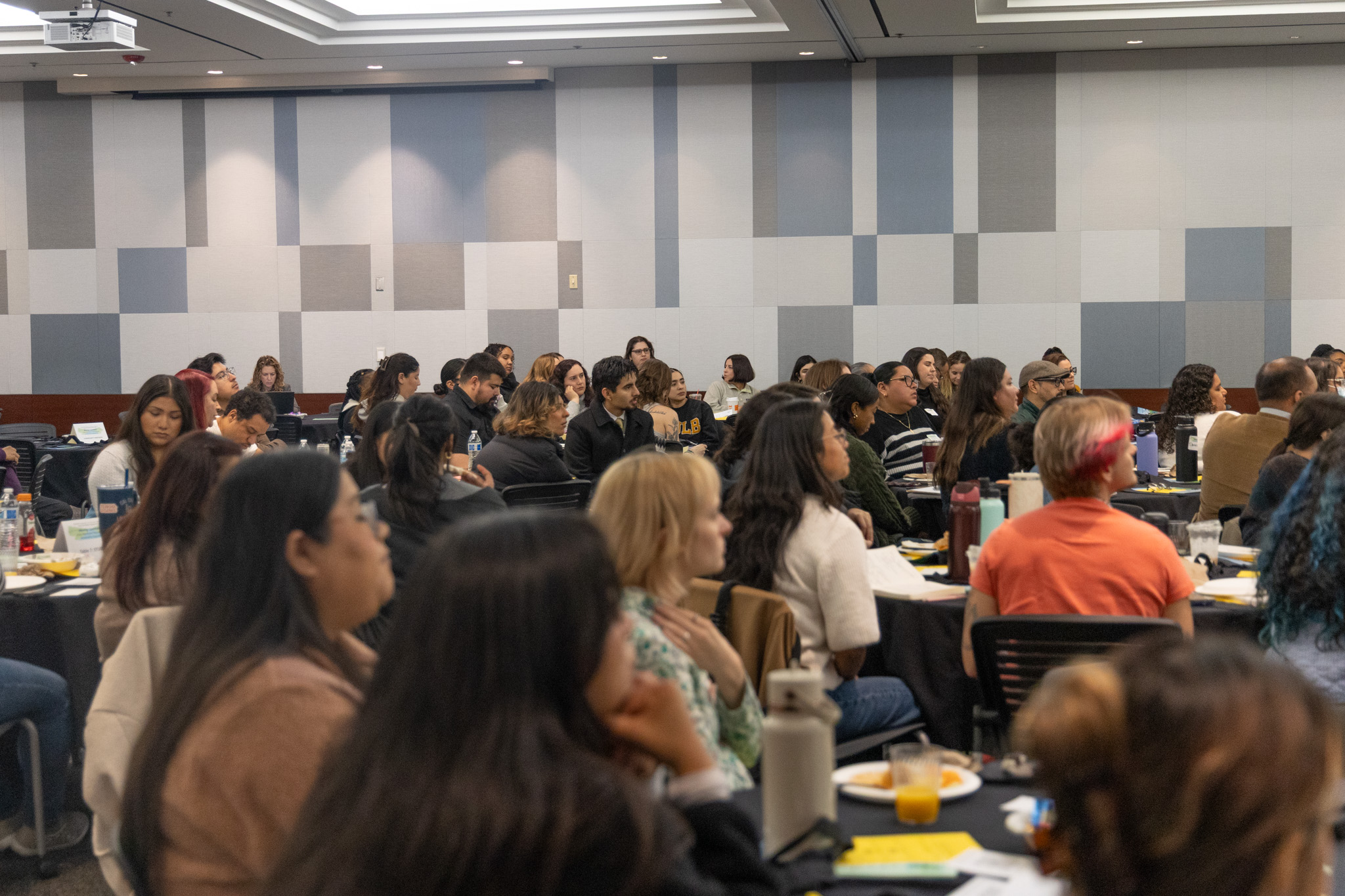
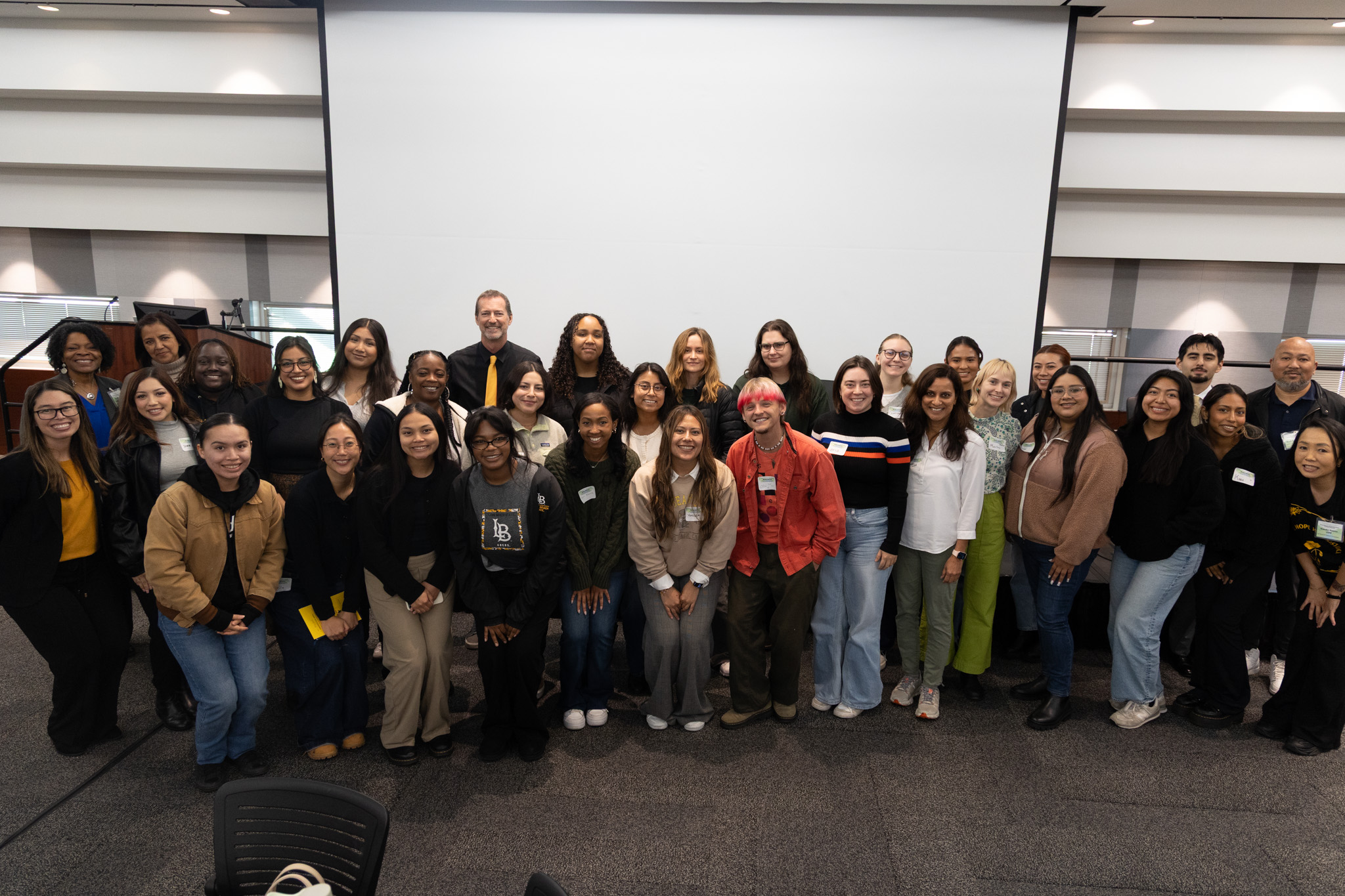
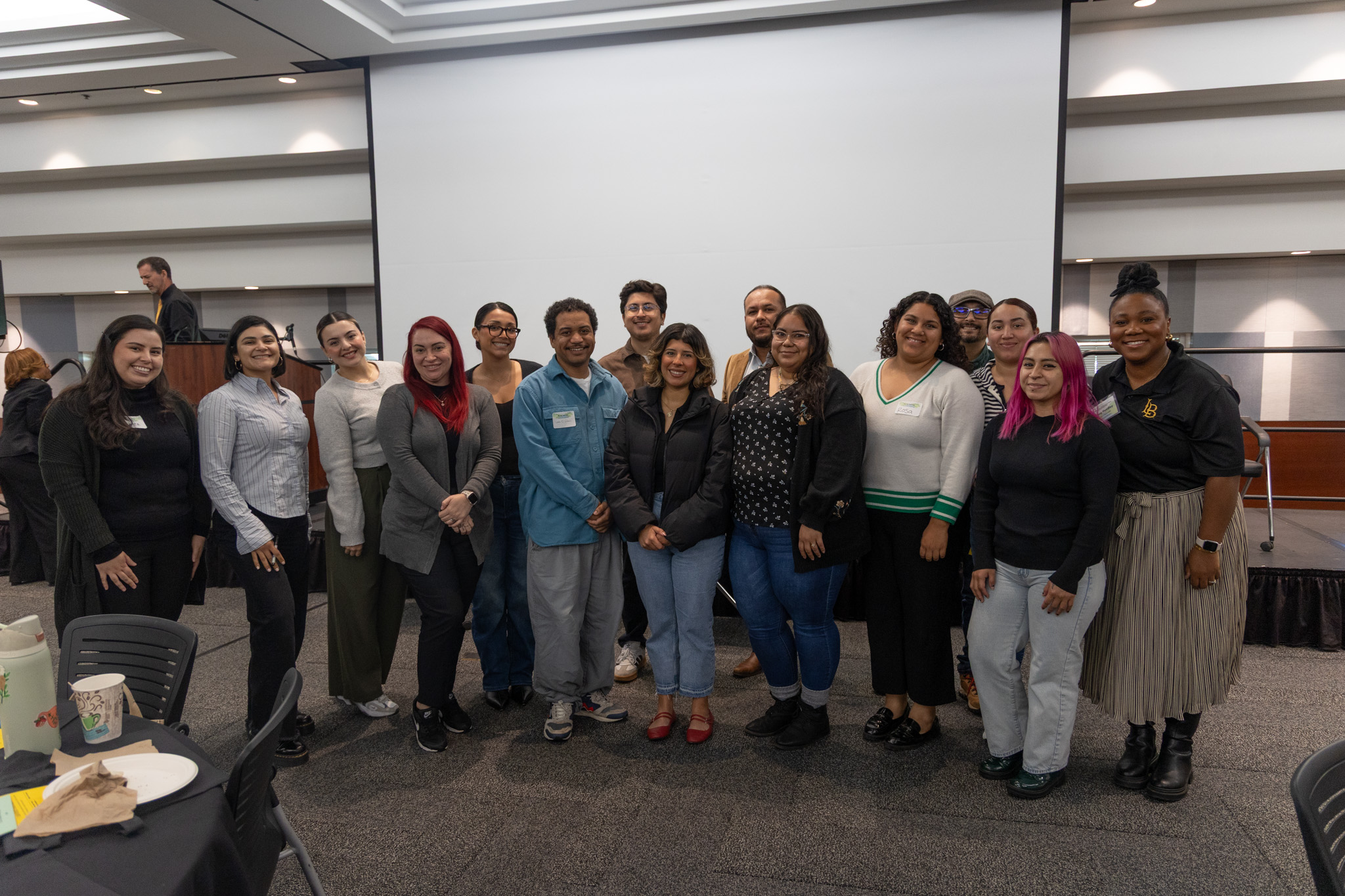
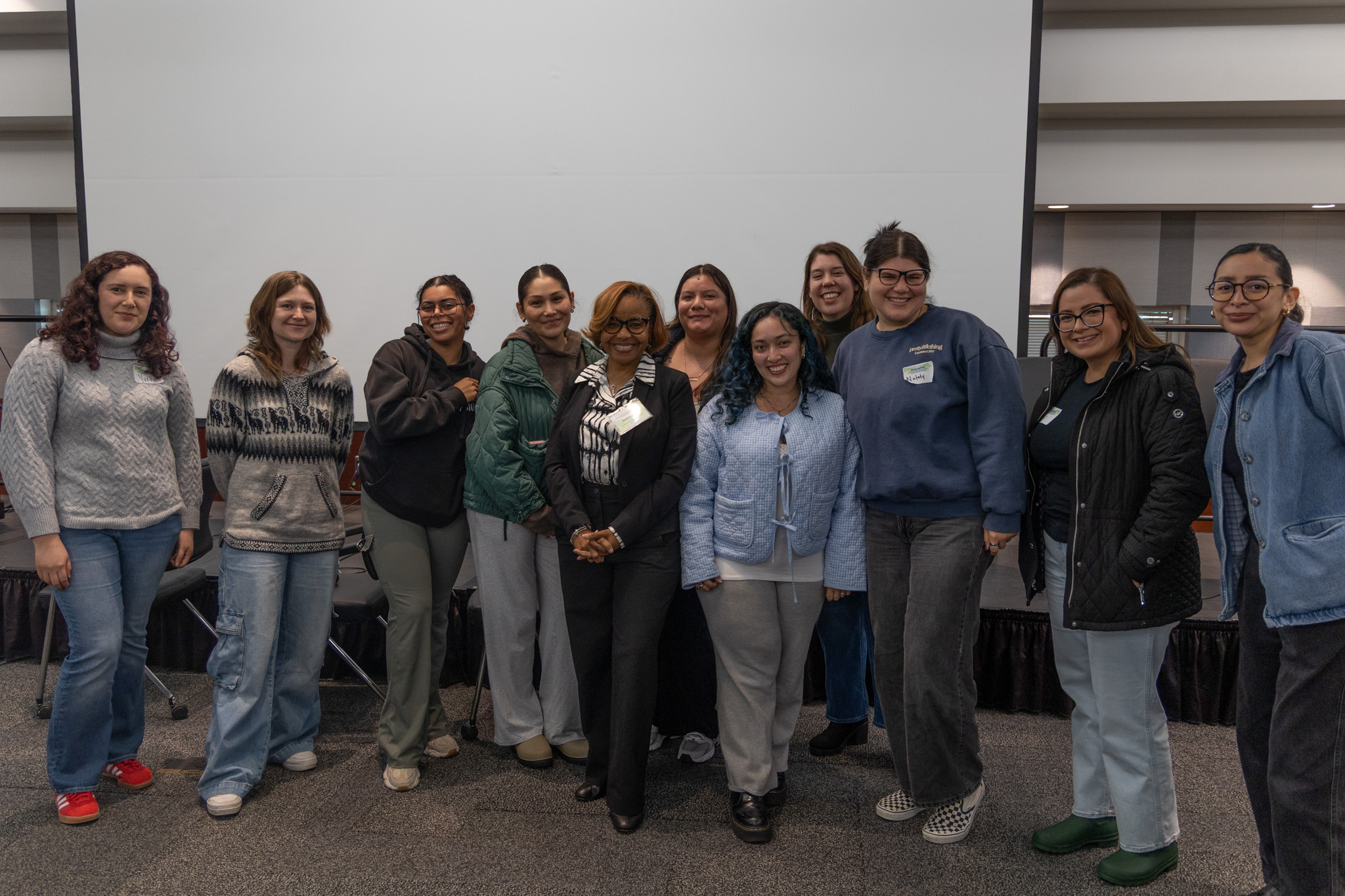
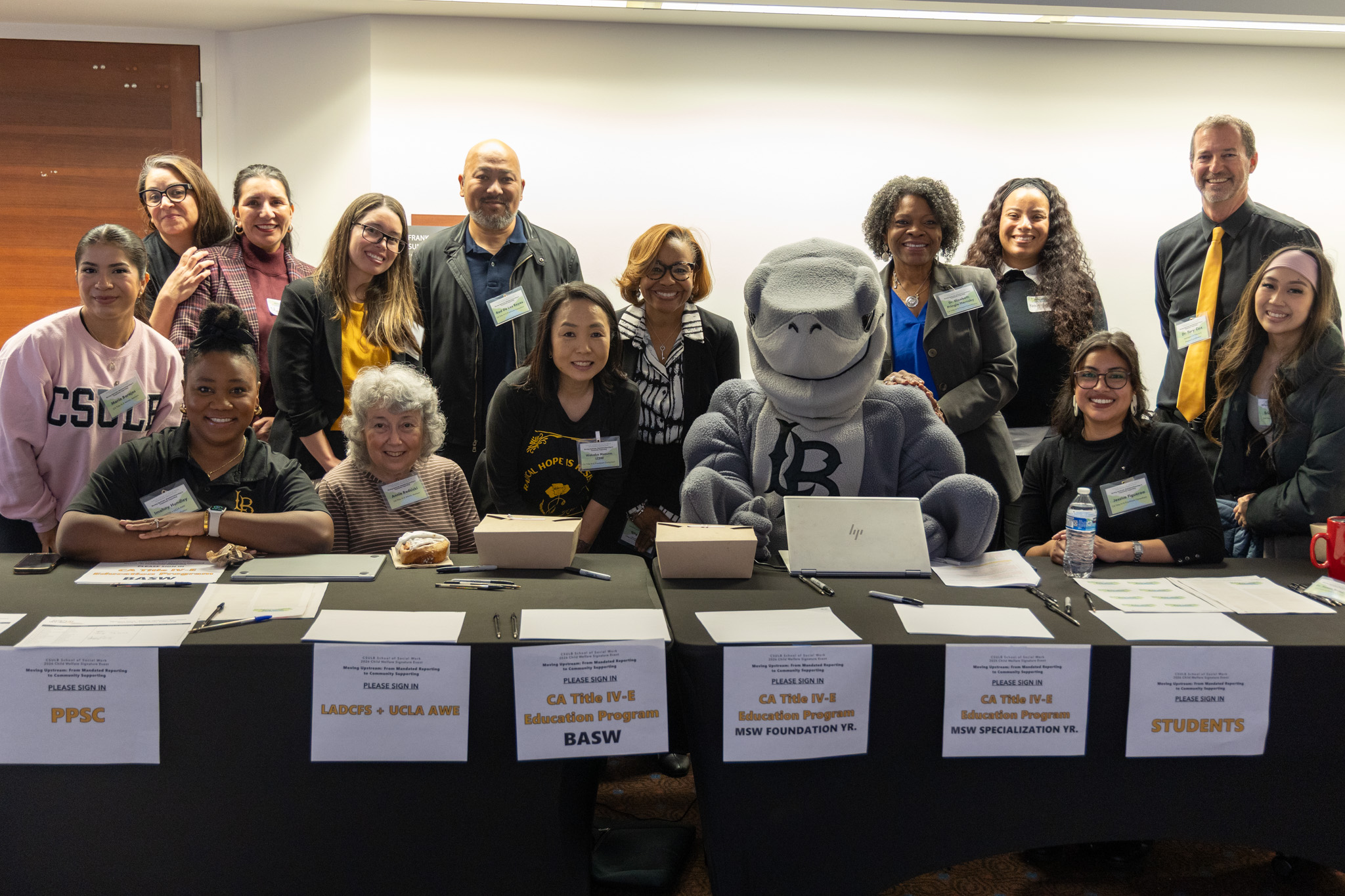
This spring semester, the CSULB School of Social Work hosted a gathering of students, faculty, staff, county partners, alumni and guests to its signature public child welfare event entitled Moving Upstream: From Mandated Reporting to Community Supporting.
Earlier in February, The Pointe Conference Room was filled with people united by one shared purpose – ensuring that the child welfare workforce is prepared with the knowledge, skills and tools needed to support children and families.
“This event has been a longstanding tradition in our School [of Social Work] and it embodies the hope we place in partnership and community,” remarked Dr. Nancy Meyer-Adams, who has served as the CSULB School of Social Work Director for 12 years. “Through our partnerships, CSULB trains future social workers to enter child welfare grounded in critical thinking, compassion, and justice-centered practice.”
Continued Dr. Meyer-Adams, “In child welfare, hope is more than a concept – it is the steady belief that with the right support, every child and every family can write a different future.”
Addressing an audience comprised mostly of public child welfare students and students specializing in school social work (K-12), Dr. Grace Reynolds-Fisher, Interim Dean of the College of Health and Human Services said, “It is truly inspiring to see this room filled with our first- and second-year public child welfare students, our PPSC (Pupil Personnel Services Credential) students preparing to serve as school social workers, our dedicated faculty and staff, our valued community partners, and, of course, the presenters who have traveled from across California to be here today."
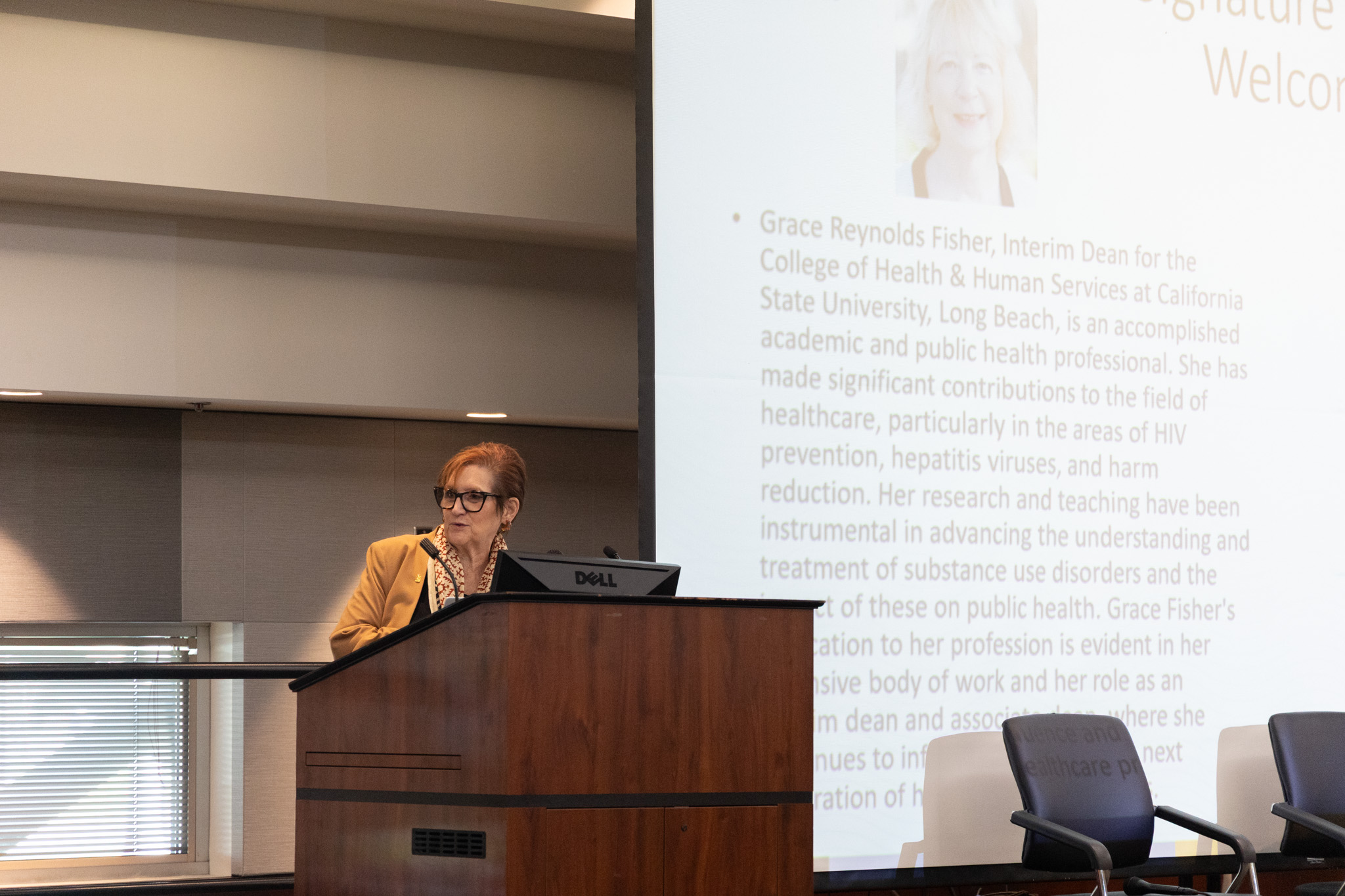
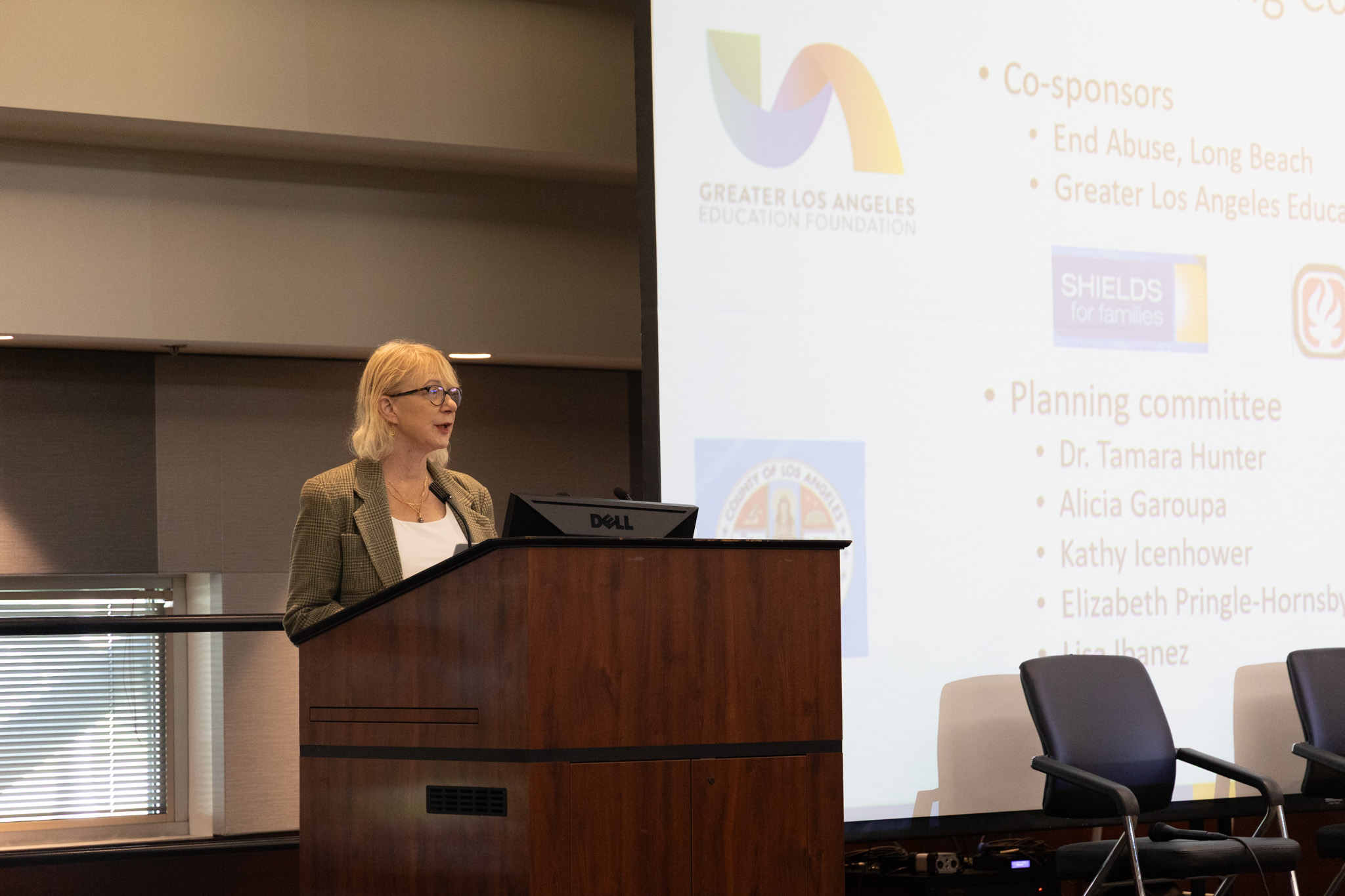
Students listened with curiosity, and engaged with openness on the topic of mandated reporting. They learned about the history of mandated reporting – when in the 1960s, growing awareness of child abuse led policy makers to require certain professionals -- teachers, social workers, healthcare providers and others, to report suspected abuse or neglect.
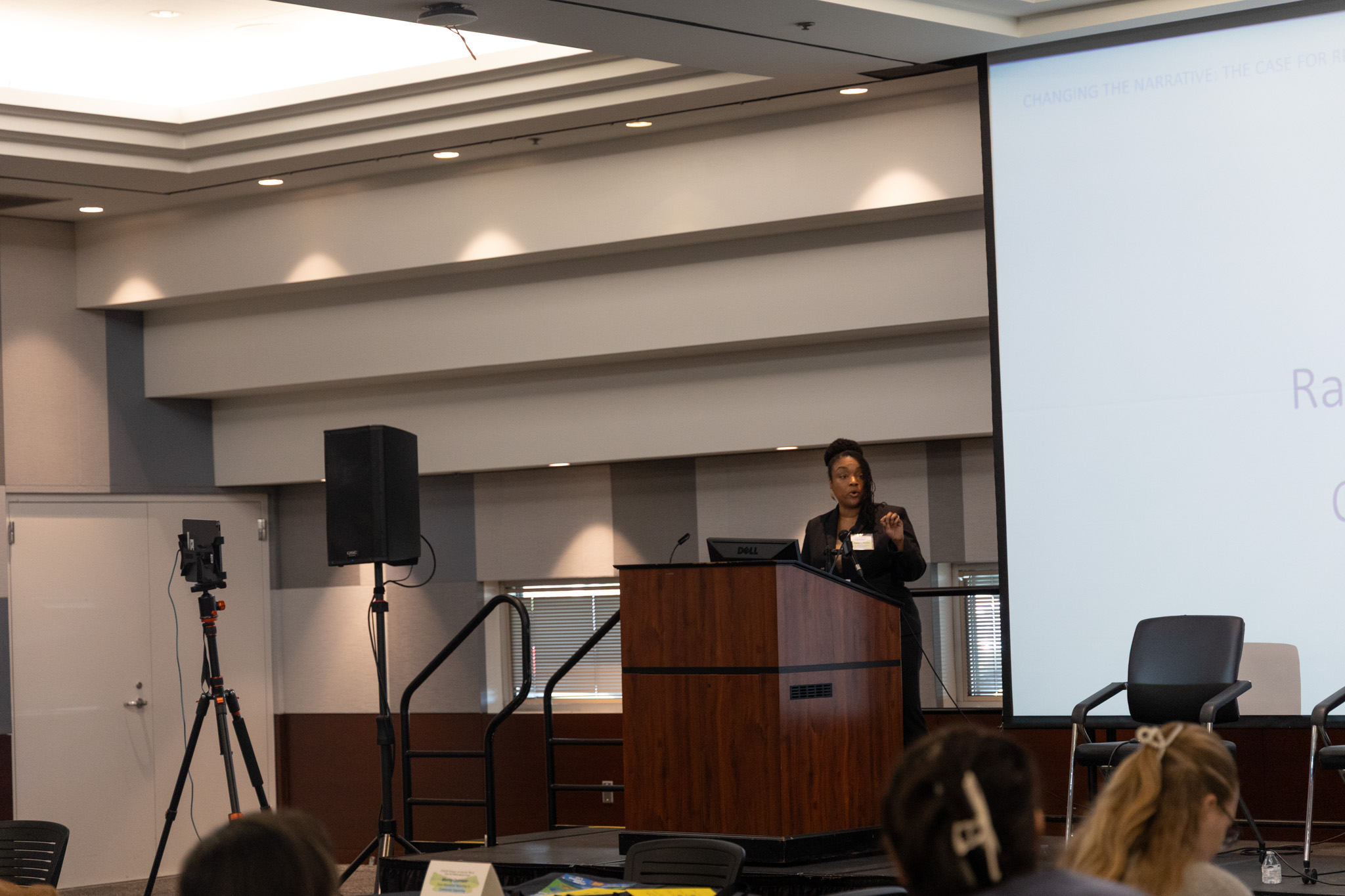
The day began with a keynote address from Dr. Tamara Hunter, who currently serves as Executive Director of the Los Angeles County Commission for Children and Families and the Los Angeles County Department of Children and Family Services (LA DCFS) Mandated Reporting Initiative Director. Her presentation on "Making the Case" was a talk to students about the case for mandated reporting reform.
Imagining the parable of the river – a scenario in which hundreds of people are working frantically trying to save people from drowning who have fallen down a waterfall into a river -- one rescuer decides to move “upstream” in order to understand why so many people are falling into the river to begin with, and to stop it.
Dr. Hunter used this illustration to support the idea that the current system of mandated reporting is often not designed to prevent maltreatment. She subsequently offered solutions such as better training for mandated reporting, and an understanding of better use, as well as a tighter focus on community support, in order to effectuate systemic change.
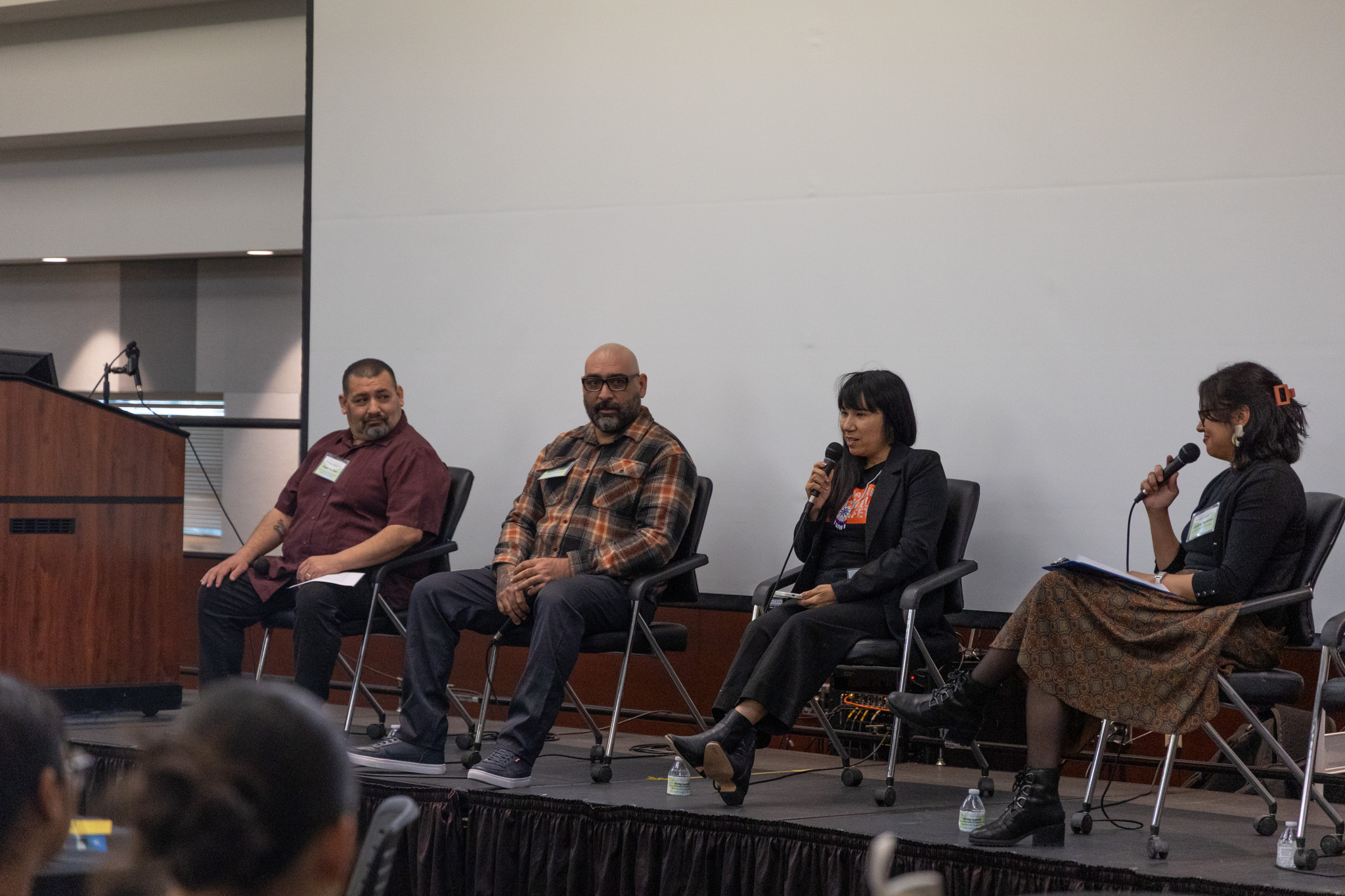
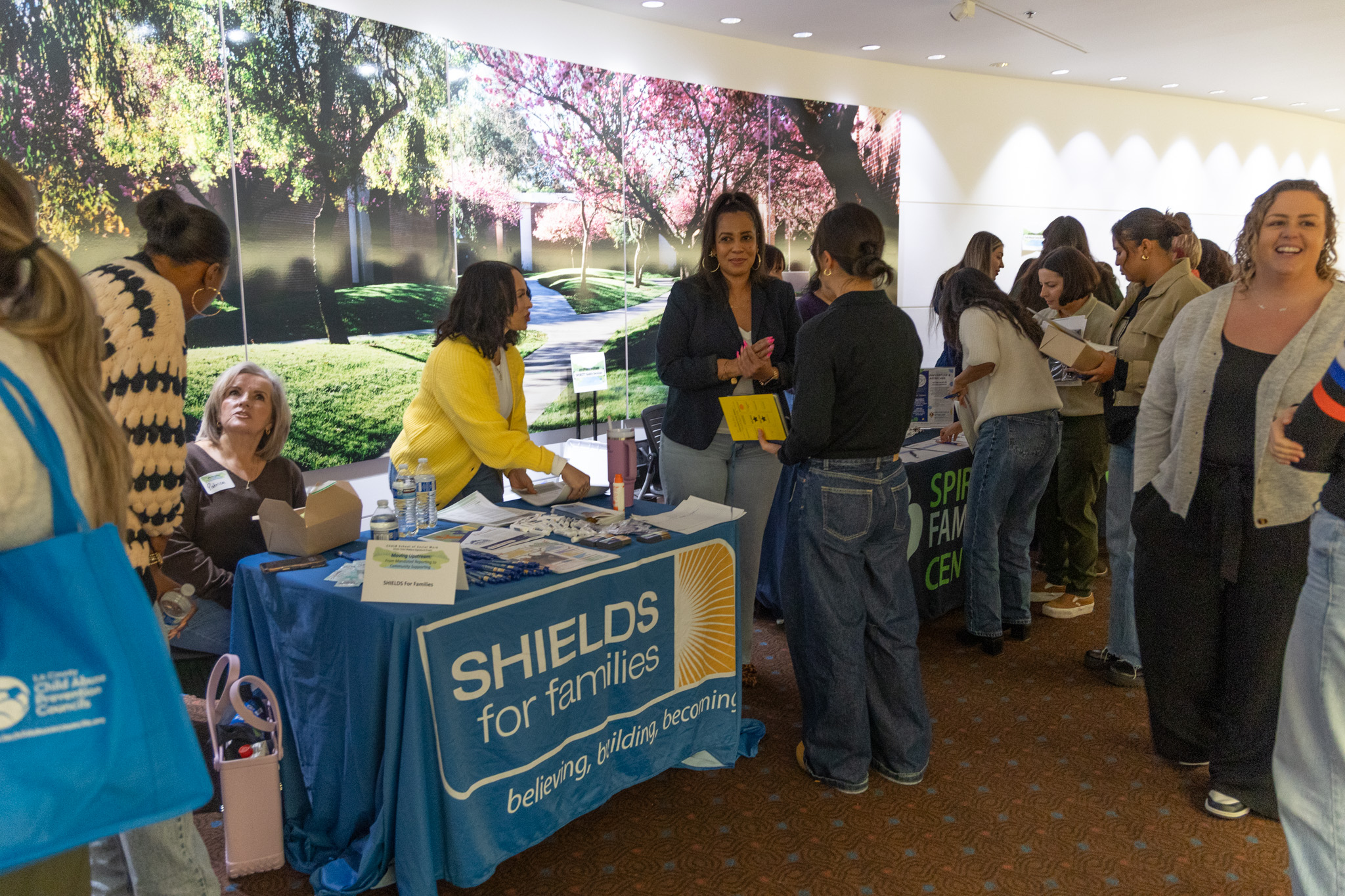
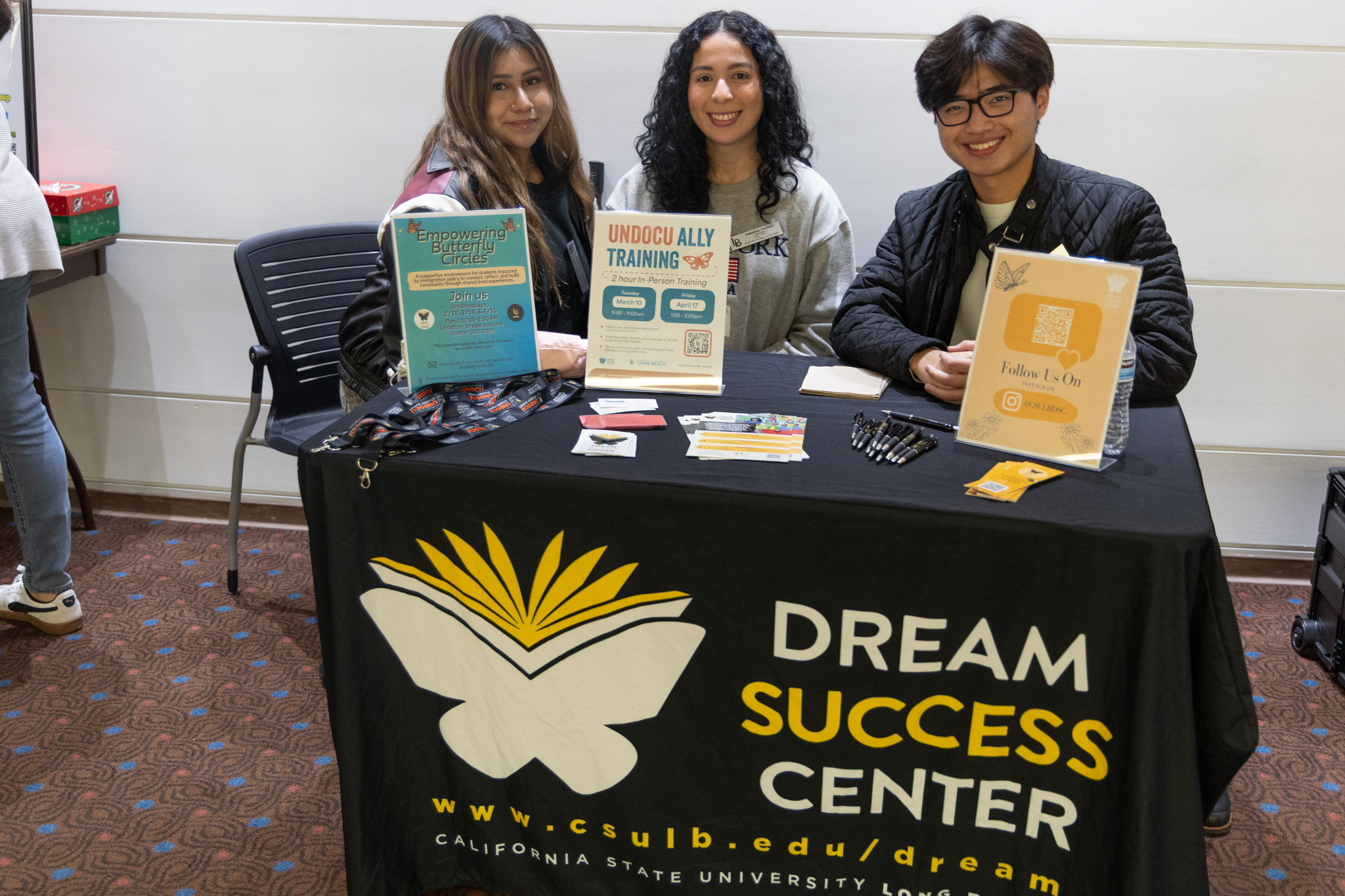
As the day progressed through the program, conversations shifted to talking about supporting families in communities. Students heard directly from parents, engaged with organizational leaders, and even participated in a resource fair with community and campus entities designed to add knowledge and tools.
“You are stepping into the profession at a transformative moment, and one of the most powerful sources of hope is you—our students,” said Dr. Reynolds-Fisher. “You have the opportunity to become practitioners who understand both the responsibility and the complexity of mandated reporting. You will make decisions that balance care, ethics, law, and humanity. You have the opportunity to interrupt cycles of harm and bring forward new models of care. And you will be the ones who carry forward approaches rooted in dignity, humanity, and equity.” Go Beach!