Sitting Down with the Family Resource Center Student Interns
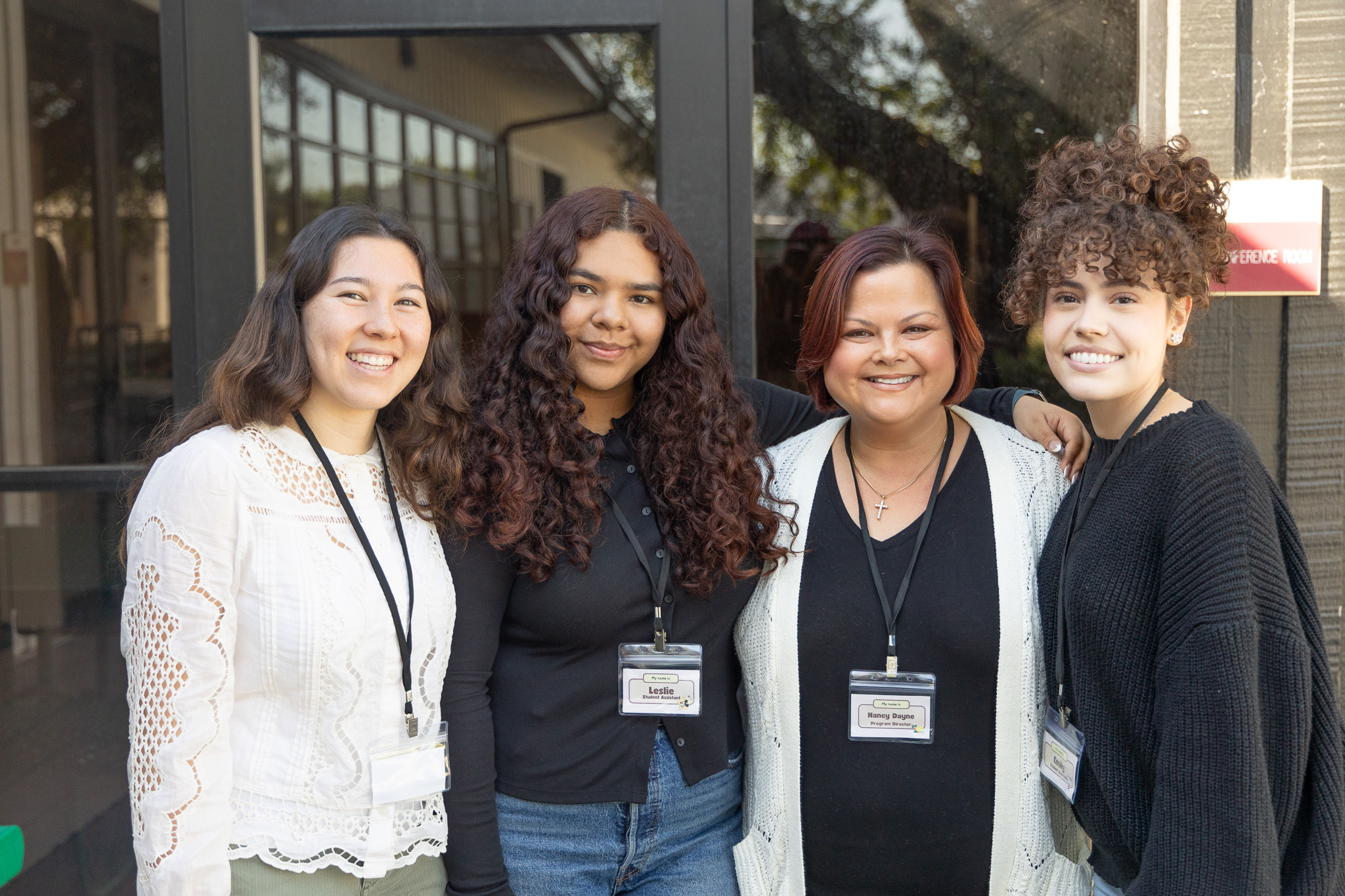
The Family Resource Center (FRC) opened in February, and is a training and internship site where Child Development and Family Studies students gain experience in family services and parent education. The FRC aims to serve an emerging population of important students on college campuses: students with dependents. Located in the Family and Consumer Sciences building -- FCS Room 118 – the Family Resource Center has been run this semester by Dr. Nancy Dayne, Professor in the Child & Family Studies program, and her three student interns, Emily Razo, Leslie Banos, and Vivien Schweizer. The College of Health and Human Services (CHHS) spoke with Emily, Leslie and Vivien about their time interning in the Family Resource Center this spring, why they chose their major in Child and Family Studies and what’s next for them as they set to graduate in May.
CHHS: Being Child and Family Studies majors, what did you all learn from interning at the Family Resource Center this spring?
Emily: I think a big skill I learned this semester was the importance of campus engagement in bringing awareness to students about the Family Resource Center and how it can help them. Social media was one of our biggest friends because we were able to engage with other student organizations and that helped us increase student engagement and bring more awareness to our services.
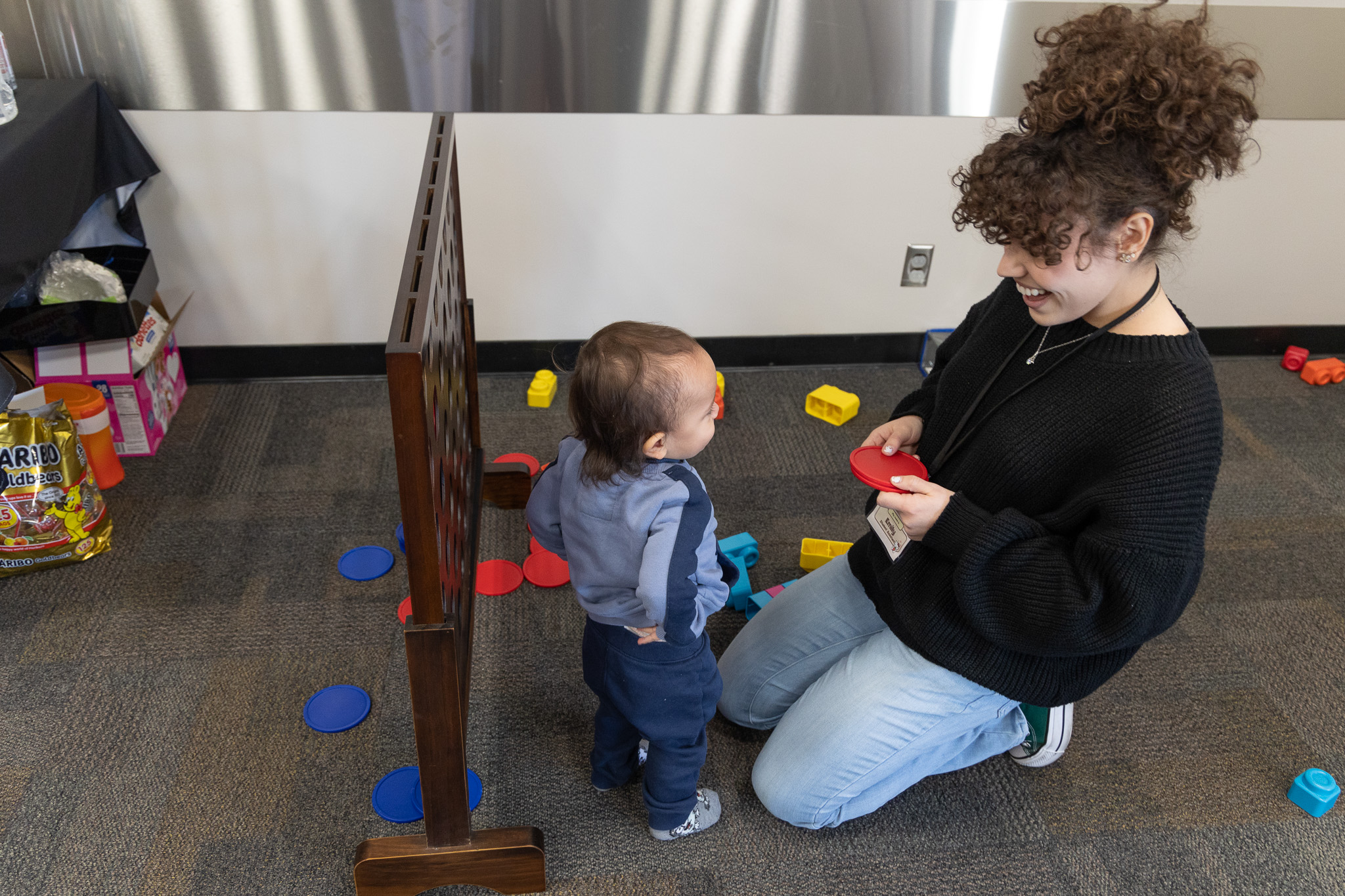
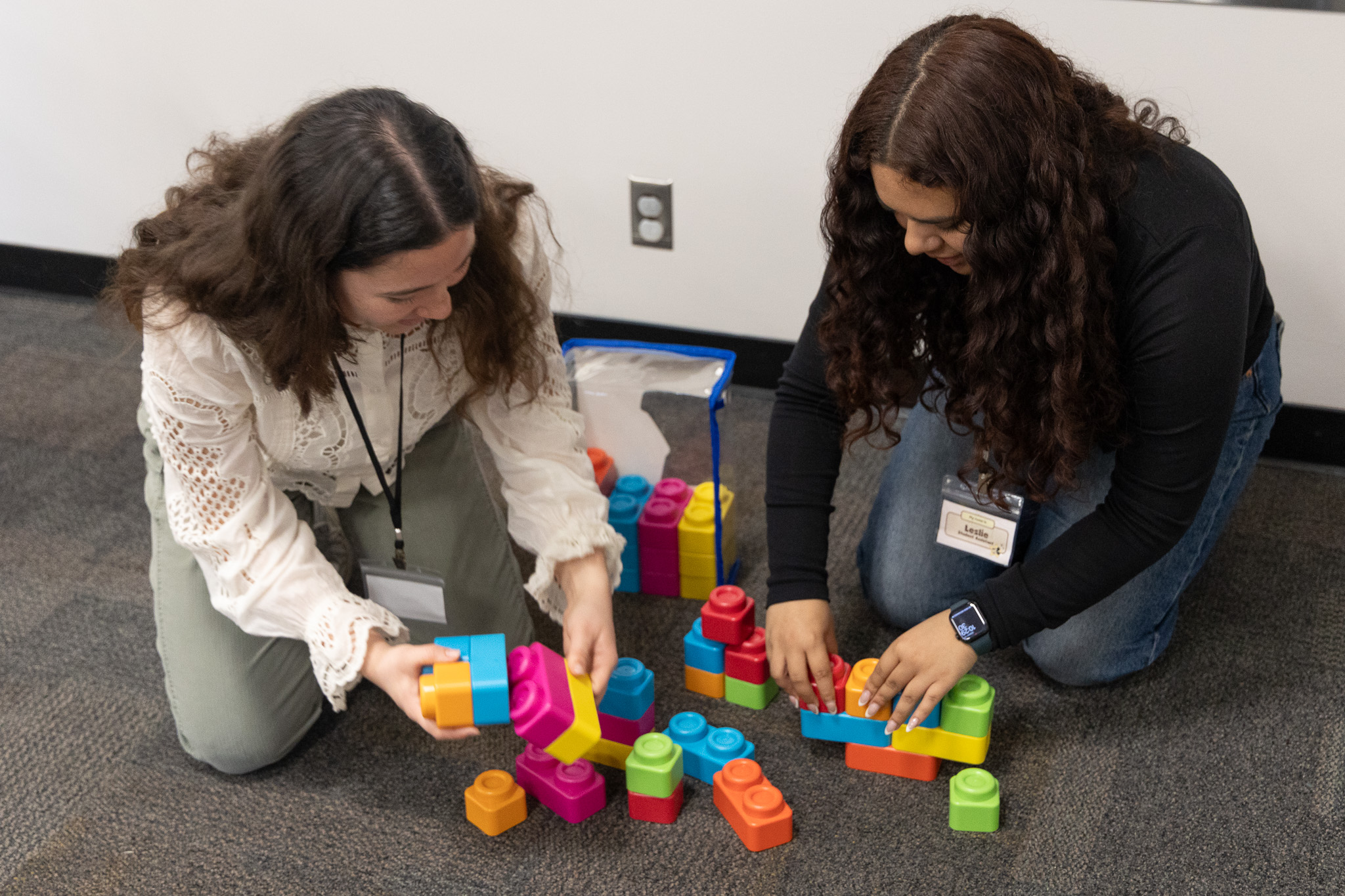
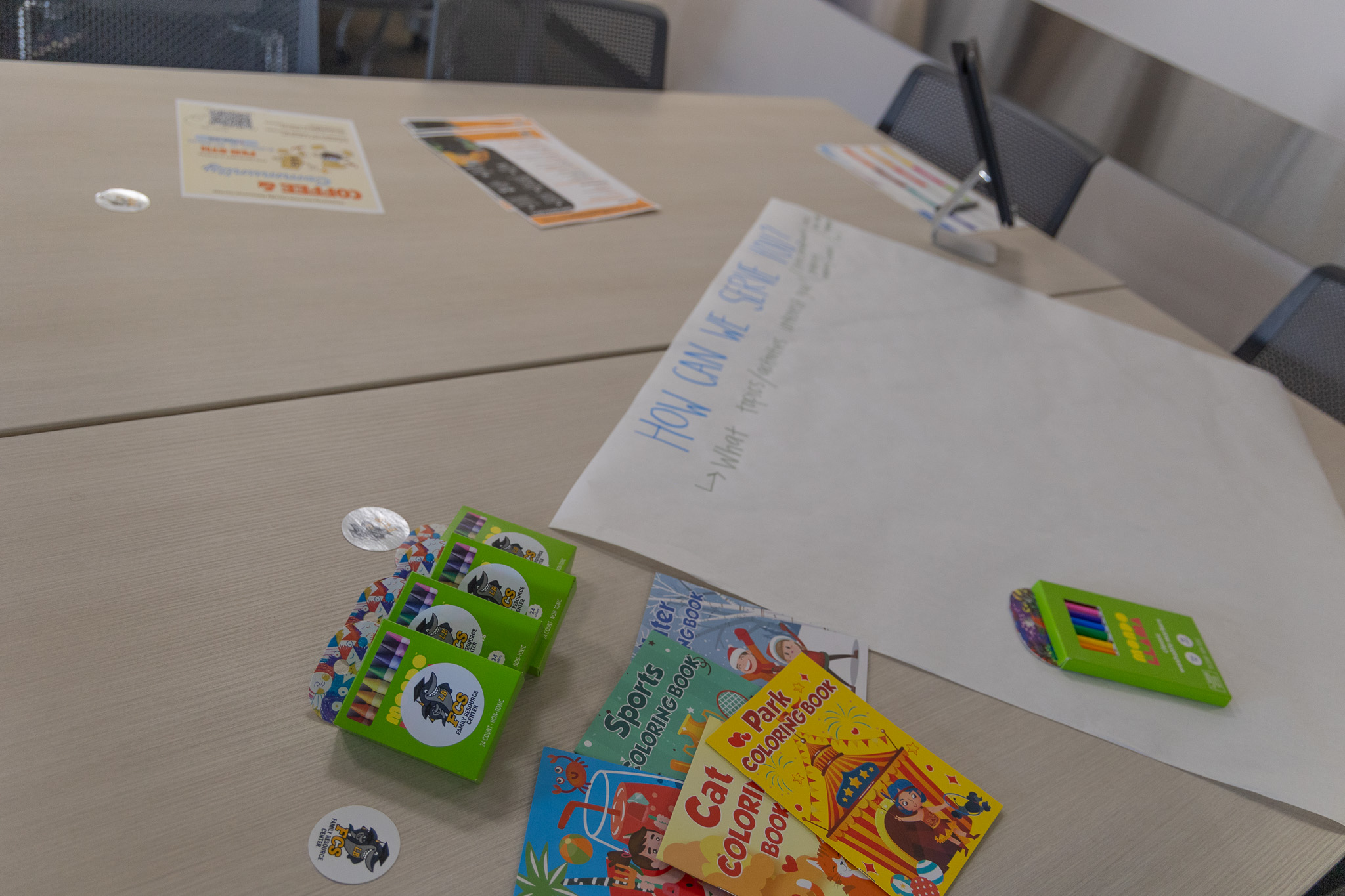
Vivien: Student Parents came in for arts and crafts activities – we had one student bring their child who was almost about 11 months, so that was really fun!
Leslie: I think something for me that has been really big this semester, as Emily said, is getting professional networking opportunities as we collaborated with our campus partners to bring awareness about the Center and its services. We had peak attendance when we formed collaborations with campus entities, whether that was with CSULB Students with Dependents, or the Women’s Gender and Equity Center – really fostering those connections and meeting different people within those organizations really made a big difference. It really opened my eyes to the field of program planning.
CHHS: What does the Family Resource Center offer to students with dependents?
Emily: We see a lot of people come in and say, “Wow, I’ve never seen this room before.” Since we are a new program, at first, people didn’t know a lot about the Center, but it’s basically a place that was meant for a study space where students with dependents can come and do their work, and bring their kids if they like, though it is not a drop off center.
Vivien: Yes! We get some people who just want to stop by for a snack, drop in, talk to other parents, or pick up something from our lending library.
Leslie: It’s also a space where student parents can receive support – whether that’s physical, emotional, or even just knowledge. I think this is such a big campus, and even some of us are unaware what’s here and what is all available to us in terms of student resources. I think especially this demographic of students with dependents, they can feel isolated whether they are just in classes and then having to balance childcare, their jobs, school work – their role never ends. I think it’s just about making sure our student parents really feel supported -- whether they do come in and just want to get coffee or a snack -- or just letting them know that this is a welcoming space for them. An interaction that stood out to me was with a parent who came to us, a mother specifically, and she was talking about how hard it is sometimes to make connections on campus with other parents and just receiving support. I was able to let her know that we have a CSULB CAPS (Counseling and Psychological Services) counselor who comes in every Tuesday after we close at the Family Resource Center – it’s a free resource available to student parents at the FRC. It’s something that is casual and I even told her that CAPS do walk-in appointments at their own center. It has been great how we’ve been able to point people in the direction of what other resources the CSULB campus has to offer, and to collaborate with our campus partners to support students with dependents.
CHHS: How does the Family Resource Center benefit from being right next to the newly opened Child and Family Center – an actual drop off child care center?
Vivien: We’ve had some parents come in and they talk about their issues finding child care that is flexible with their school and work schedules. And it has been really nice to connect them to the resources now that we have two child centers on campus – the Isabel Patterson Center and now the Child and Family Center, which is right next door!
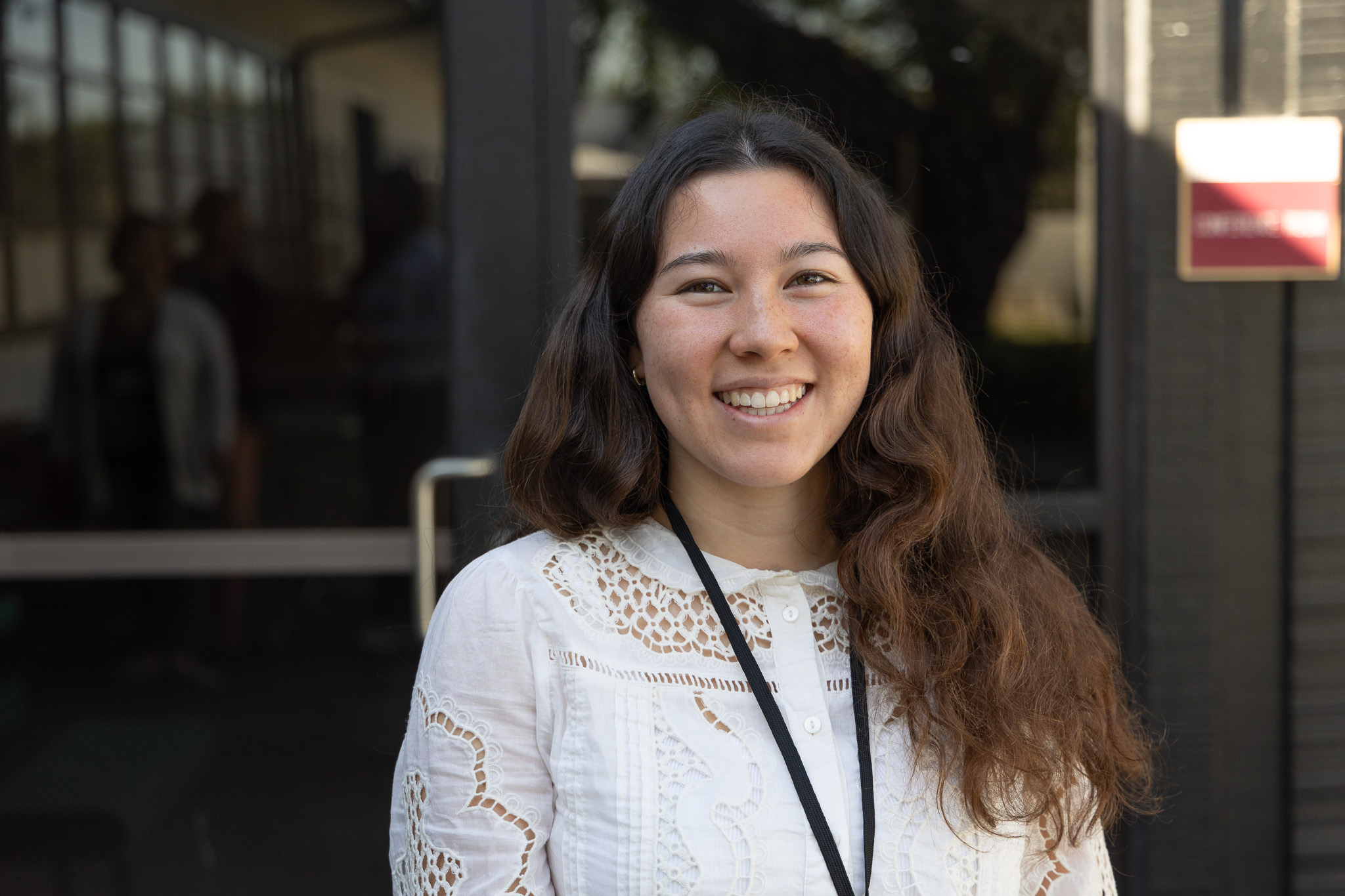
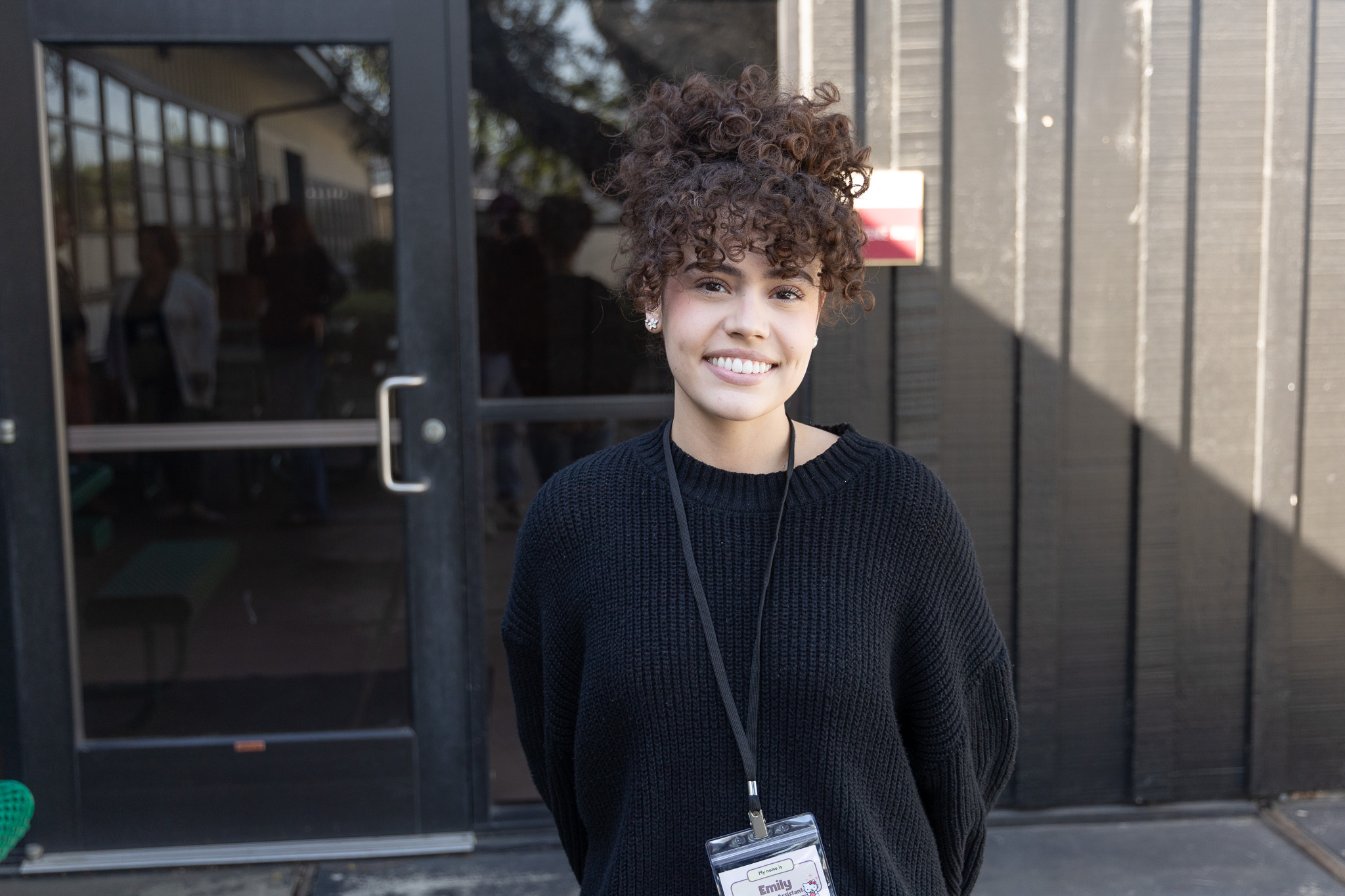
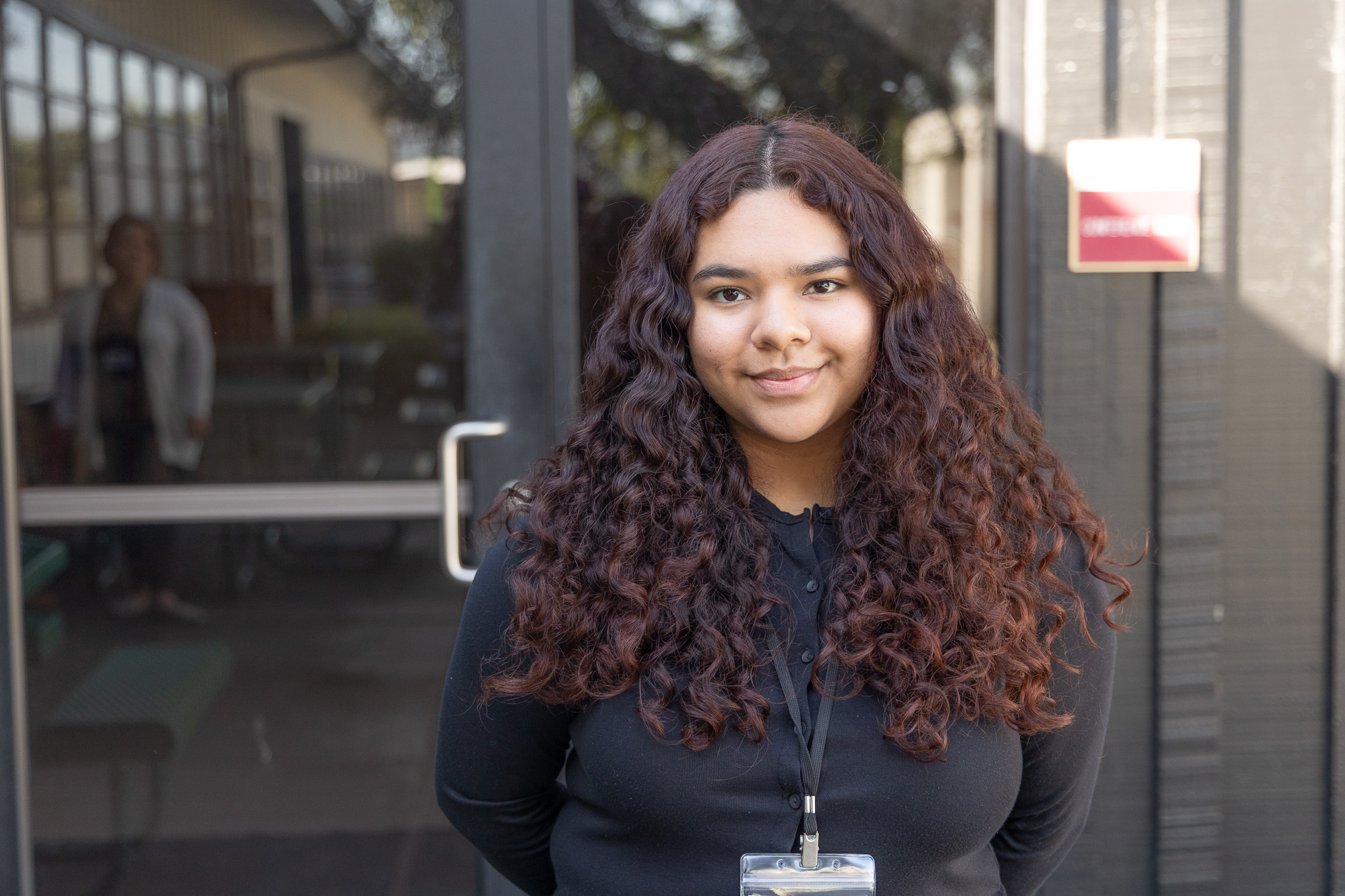
CHHS: What is next for you three as you set to graduate this spring with your bachelor’s degrees in Child and Family Studies? What do you want to let others know about the program?
Vivien: I’m going to be starting UCI’s Master’s in Teaching Multiple Subjects credential degree program in June. I’ll be starting that soon and I’m hoping after I finish, that I can get a job working as a T-K or Kindergarten teacher.
Leslie: My goal is to enroll in a master’s program for school counseling. I will say working at the Family Resource Center really did open up my eyes to program planning and development as a possible career option.
Emily: For me, I’m not sure what graduate program I’m going to pursue, so because of that, I think I’m going to take a year off, get some work experience and build up my resume to get into some type of field working with children and families.
CHHS: Finally, what can you say about the support and training you all have gained being students here in the Child and Family Studies program, and working with Dr. Nancy Dayne?
Emily: I think this internship experience working at the Family Resource Center really solidified my interest and passion for wanting to work with children and families. This program is great and Nancy is so sweet – she’s great at her job and I really appreciate her support throughout this whole experience. She’s given me great job-hunting advice as well.
Leslie: I think to add on to what Emily said, working with Nancy as our professor and our faculty advisor for our student organization CAFAS (Child and Family Associated Students) -- Nancy Dayne is honestly the best person you can work with in this field. She embodies everything we learn in this field, and she is so nurturing and inspirational. She’ll continue to inspire us even after we graduate.
Vivien: We’ve all gotten to know Nancy pretty well over the past two and a half years. She’s been so helpful and has gone the extra mile to do more for her students and people in child development – she puts on workshops every semester on the major and lets people understand what they can do with their degree and what they can do to increase their job prospects as well.
Leslie: I think Dr. Dayne is really big on promoting student success, and I think she does a great job of highlighting that there are so many pathways for you in this field. Of course you can obtain this degree to be a pre-school teacher or go the traditional teaching route, but this field is really so diverse, no matter what work you do, you are always going to interact with children or their families, and the Child and Family Studies program here at CSULB really does build a good foundation for entering multiple fields, whether that be community work, working with agencies, or in the education system, or even in a hospital setting. You can even work with policy; we have so many options available to us and for that I am very grateful.