




CSULB-Lawndale partnership to expand school mental health services
A new five-year, $7 million federal grant will help the Lawndale Elementary School District strengthen mental and behavioral health programs for students while giving Cal State Long Beach graduate students more opportunities for supervised, hands-on experience.
The project, called Capacity, Leadership, and Innovation for Mental and Behavioral Health through a Multi-Tiered System of Supports, is a partnership between the CSULB College of Education and the Lawndale district, which serves about 4,200 students in the South Bay.
Funded by the federal Substance Abuse and Mental Health Services Administration, it will expand access to prevention, early intervention and more intensive supports for students from preschool through eighth grade, said Kerri Knight-Teague, CSULB associate professor of school psychology and project lead.
The grant will fund new positions in the Lawndale district, including a school psychologist, registered behavior technicians and a project manager, as well as staff training and stipends for students in the College of Education’s school psychology program. CSULB faculty will work with the district to strengthen its programs, improve connections with community providers and engage families.
The College of Education’s Long Beach Trauma Recovery Center, which brings expertise in trauma-informed care, is also a partner.

The project will prepare 24 school psychology grad students to support services in Lawndale schools. Students will take part in additional seminars and supervised fieldwork, too. Their placements are expected to begin in fall 2027.
The work will include programs for all Lawndale students, such as social-emotional learning and strategies to prevent and respond to behavior concerns, alongside targeted and intensive services for students who need more help. The project addresses mental, emotional, behavioral and substance use concerns, including needs related to trauma, housing instability, foster care involvement and other adverse childhood experiences.
“Mental health is a big concern, especially among kids,” said Suzanna So, CSULB assistant professor of counseling psychology. “What we have found, and what the district has shared, is that needs have become more acute and so this funding came at a good time.”
So will co-lead seminars and supervise students when they do fieldwork in Lawndale. She and Professor Kristin Powers are co-leads with Knight-Teague on the project.
Eighty-three percent of students in the Lawndale district are socioeconomically disadvantaged, according to the district. Chronic absenteeism among students experiencing homelessness was 34.8 percent in 2024-25, up from 31.6 percent the year before.
Lawndale has social workers, school psychologists, interventions and community partnerships, said Liliana Martinez, district communications coordinator. But lack of staff capacity can limit individualized support, she said, and busy referral systems can make it hard for families to access resources for increasingly complex student needs.
“I’m excited to partner with CSULB to strengthen our ability to meet the social-emotional and mental health needs of our students,” said Lawndale Director of Student Support Albert Paredes. “Together, we are investing in early intervention, expanded resources, and ensuring every student has the support they need to thrive.”
Lawndale has six elementary schools, two middle schools and a state preschool program.
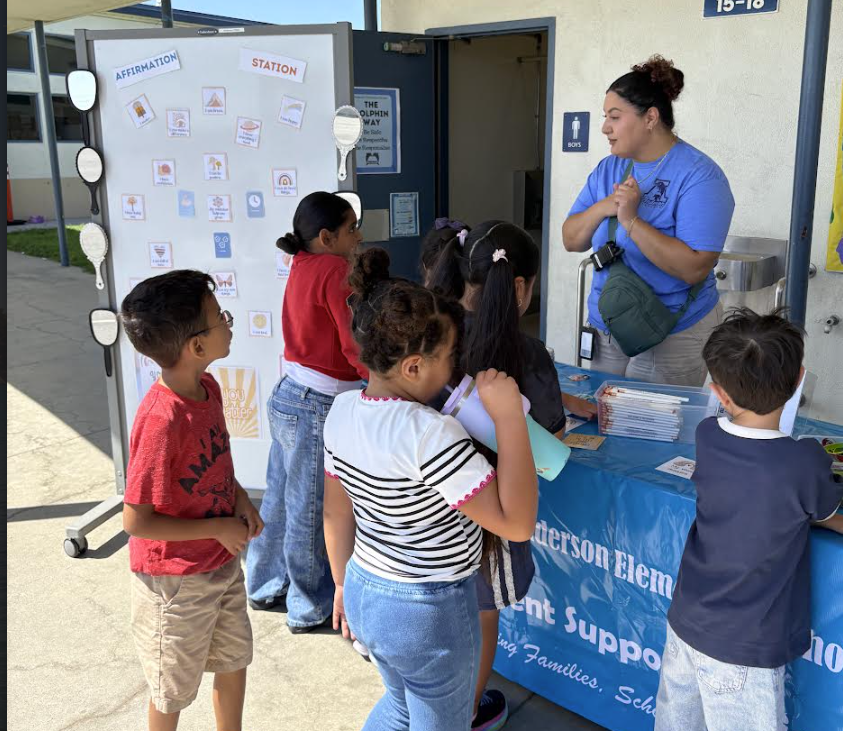
During the first year, the project partners will complete a districtwide needs assessment and develop a strategic implementation plan. The project also aims to provide professional learning at 90 percent or more of district school sites and establish an advisory board and stronger referral networks with community providers.
The partnership builds on work between CSULB and Lawndale that began with another grant in 2023. Knight-Teague said the collaboration will help tailor services and training to the district’s needs while preparing future school psychologists who, hopefully, will stay local.
“We do hope that they’ll stay in the local area and continue to practice and support Lawndale or other districts with similar needs,” she said.
