CECEM
| Index | Team Members | CECEM (Spring 2026): Senior Design Project Title and Short Synopsis (<100 words) |
|---|---|---|
| CE 490 – Dr. Lisa Star’s Class | ||
| Group 1: | A Modern Mass Timber Transformation | |
Image
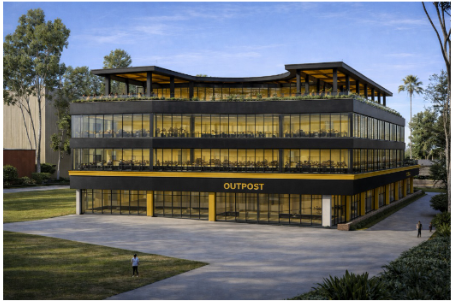
| We are designing a four-story mass timber school building at CSULB, utilizing Glulam framing and TerraLam CLT panels to safely resist over 1,000 kips of seismic force. Project Outpost: A Mass Timber Transformation reimagines the existing Outpost building at California State University, Long Beach as a contemporary, low-carbon campus hub. The project replaces conventional construction with a mass timber structural system, utilizing CLT floor panels and glulam framing to reduce embodied carbon while enhancing material warmth and user experience. The design maintains a consistent rectangular footprint across the primary floors to optimize structural efficiency and prefabrication, while the roof level is articulated as a U-shaped form that creates an open-air terrace. This elevated space promotes social interaction, natural ventilation, and daylight access without sacrificing usable floor area below. Programmatically, the building integrates a ground-level dining space with upper floors dedicated to individual and collaborative study environments, culminating in a flexible rooftop gathering space. The façade employs high-performance glazing to balance daylighting and energy efficiency, supporting overall reductions in operational energy demand. By combining efficient structural repetition, sustainable material strategies, and climate-responsive design, the project demonstrates how mass timber can transform an existing campus facility into a more environmentally responsible and socially dynamic space. | |
| Group 2: | Westminster Mall Mix-Use Redevelopment | |
Image
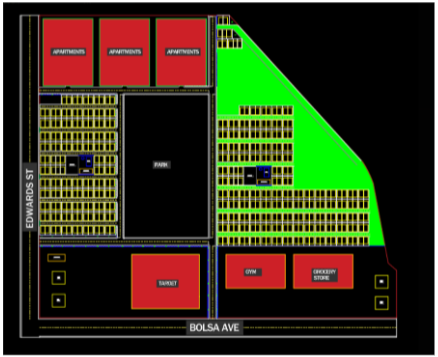
| The City of Westminster's Westminster Mall has been permanently closed since October of 2025 and this once high economic and social center lays dormant along with its nearly 100 acres of land which consists of mostly empty parking lot. We are currently redeveloping the now closed Westminster mall into a mix use site with space for a recreational park, apartment complexes, townhomes, and commercial/retail centers. The current land has no public benefit for the citizens of Westminster which only intensifies the issues of a lack of affordable housing, loss of economic sector, and community center. Part of our scope of work we will be analyzing the site considering how our new proposed development will affect the transportation impacts of the local area, flow through the site by developing a hydrology report comparing the old site to the new site, and design calculations for structures and buildings. | |
| CE 490 – Dr. Marwan Youssef's class | ||
| Group 3: | Dalia Group | |
Image
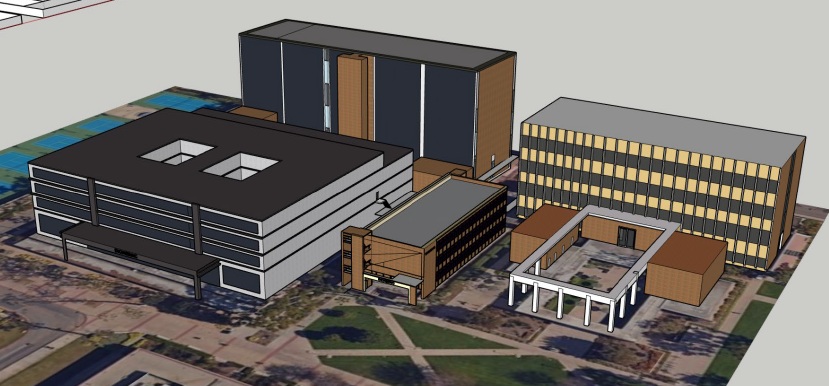
| Located on Atherton Street within the CSULB Campus in the City of Long Beach, California, this proposed four-story parking structure is designed to replace the existing G12 surface parking lot. This will accommodate increasing campus parking demand while enhancing accessibility, safety, and circulation efficiency. The structure is about approximately 378 ft by 240 ft and provides roughly 1,200 parking spaces, accommodating a diverse range of users. This includes standard vehicles, electric vehicles (EVs), and Americans with Disabilities Act (ADA) compliant parking spaces. The project scope includes the development of a comprehensive Reinforced Concrete Structural System, traffic circulation design and accessibility features to ensure efficient and safe vehicular and pedestrian movement throughout the facility. The structure utilizes a Reinforced Concrete framing system with post-tensioned slabs to optimize structural performance, durability, and cost efficiency. The exterior brick façade is incorporated to complement the surrounding campus architecture. Vertical circulation is achieved through strategically placed elevators and stairwells, and a ramp system along the structure to facilitate smooth vehicular flow between levels. In addition to structural and architectural considerations, the design integrates EV accommodations and ADA accessibility in compliance with current regulations and sustainability laws. The layout prioritizes clear wayfinding, efficient ingress and egress, and balanced distribution of parking spaces across all levels. Through careful planning and engineering design, this project aims to alleviate parking congestion on campus, reduce circulation conflicts, and improve overall user experience. The proposed parking structure supports the continued growth at CSULB by providing a reliable, accessible, and future-conscious parking solution that aligns with the university’s infrastructure and sustainability objectives. | |
| Group 4: | Engineering 3 and 4 building | |
Image
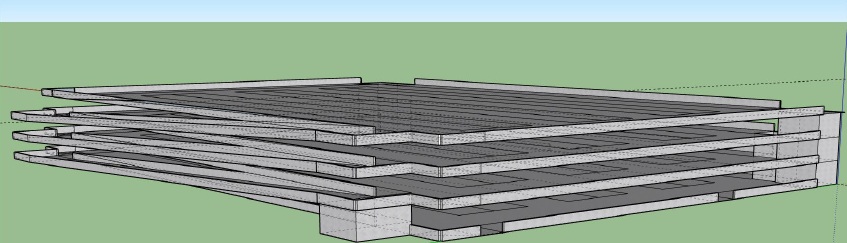
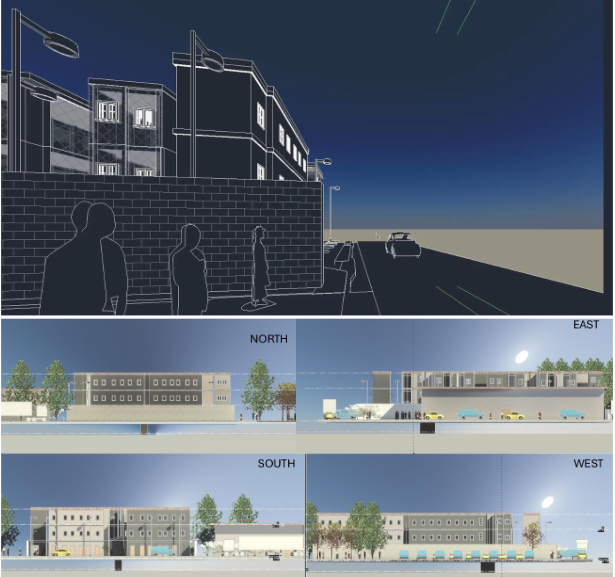
| Elbee Engineering will provide the following design services: The planning, analysis and design of a four-story Reinforced Concrete Building within the California State University, Long Beach campus. The proposed building will replace two outdated one- story buildings known as Engineering three and Engineering four. The new design will adhere to a proposed College of Engineering expansion plan and program and will satisfy current College needs, ADA and building code regulations. Accompanying the proposed design, Elbee Engineering will provide Structural Analysis and Design of the proposed Reinforced Concrete Building Structure, a grading and drainage design, as well as a Traffic Study to determine the trip generation impact of the new construction on the surrounding areas. Construction CAD plans and the corresponding Engineer’s Cost Estimate analysis will be included in the proposed package. Also, a 3-D presentation will be prepared using Sketchup. | |
| Group 5: | Sea and Seals Subdivision | |
Image
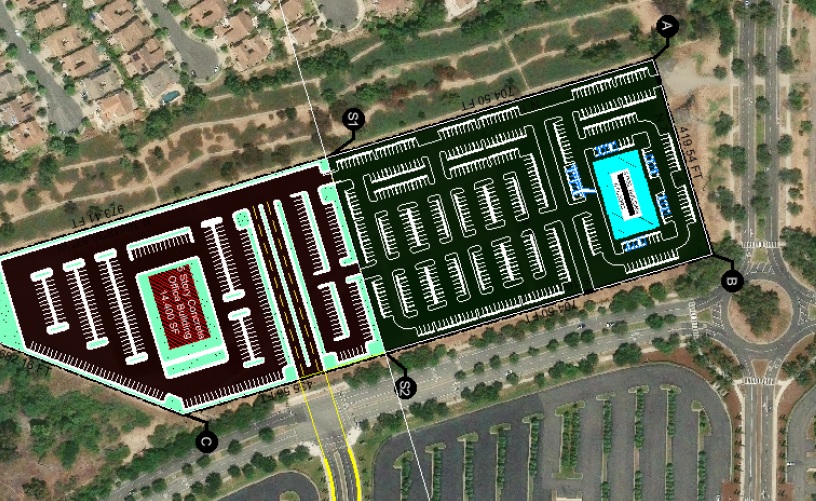
| SPABBEY Group Inc. is developing Sea and Seals, a new Residential Subdivision, located in Seal Beach Ca. The new development will be located on previous naval land located in the vicinity of Seal Beach Blvd and Westminster Blvd, south of the 405 Freeway. This new development will provide 109 single-family homes at a competitive price without sacrificing luxury. Each lot area is a minimum of 5,000 square feet, with a total subdivision size being roughly 984,000 (22.6 acres). This project will create a low- density neighborhood, with potential for further development to be added. SPABBEY Group has both analyzed and developed hydraulic, geotechnical, structural, seismic, and trip generation studies. SPABBEY Group has developed the design of a tentative tract map, street improvement and development plans, and a traffic signal with a phasing diagram. SPABBEY Group has also developed grading and drainage, utility, and structural plans. SPABBEY Group created both 2D and 3D models to aid in the development and construction phases of the project. Each aspect of the subdivision was developed using Seal Beach City standards for development. The subdivision was thoughtfully created to be community oriented. It includes a central green space friendly for all ages and walkable streets that provide both shade and lighting. The homes are timeless with varying lot sizes to fit each individual family. | |
| Group 6: | Skyrise Consulting, LLC | |
Image
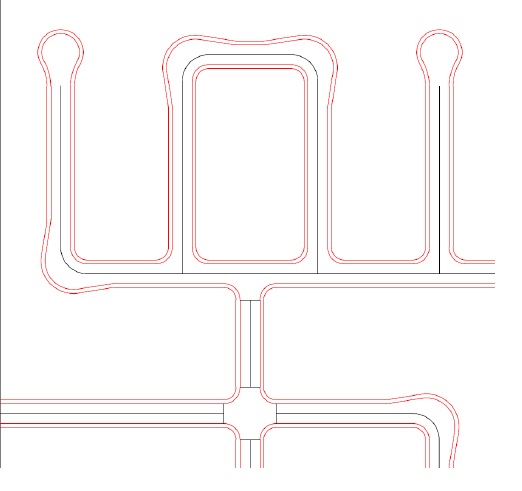
| This project outlines the basic concept and design of a five-story Structural Steel Commercial Office Building near Quail Hill Parkway and Laguna Canyon Road. The building will be located on LOT 1 of a larger undeveloped site in the City of Irvine. LOT 1 totaling approximately 292,086 square feet (6.7 acres), is the sole responsibility of Group 5. Whereas the adjacent parcel, LOT 2, is assigned to another group to place on it the same building layout and size with the exception that such building will be designed using a Reinforced Concrete Structural System. The cost estimate of both buildings will be analyzed and compared. The proposed building foot print area measuring about 160 feet by 90 feet, with a typical story height of 13 feet. The goal is to create a practical design that considers Civil, Structural, Architectural, and Transportation Engineering Elements. The scope of work includes site planning, traffic and parking analysis, building programming, floor plan development, and structural system modeling analysis and design. The structural tasks focus on using A992 Grade Structural Steel members. It will also include concrete slab over corrugated metal sheets, beams, girders, columns, braced frames, isolated footing system with grade beams, as well as a mat Foundation System. The scope also involves the preparation of the Engineer’s estimate and ACAD Construction drawings. Additional tasks consist of grading, utility design, landscaping, and a 3D model to help visualize and communicate the design outcome. The result of this project will have a complete design package that shows various engineering tasks required in future development, approval by local city, and practical construction phases. | |
| Group 7: | Jochelle Tiotuico | |
Image
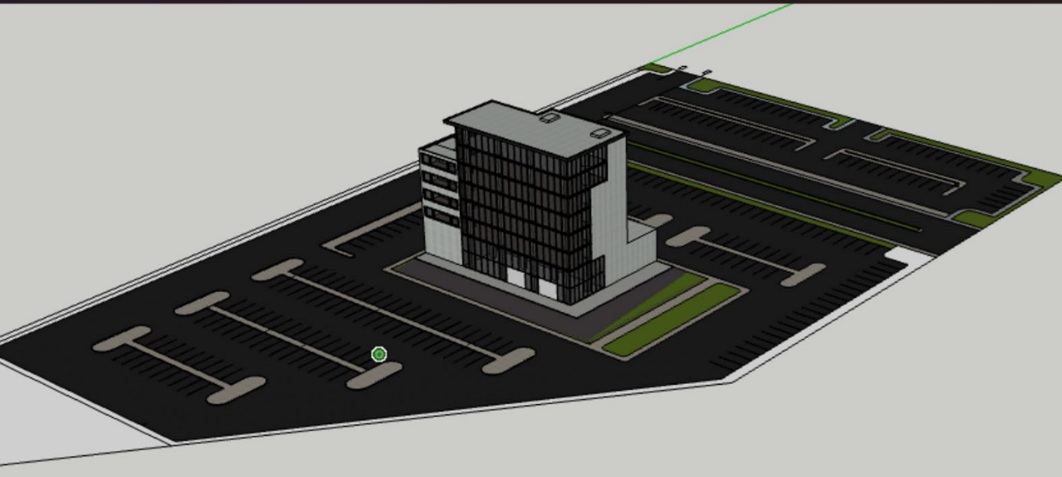
| Golden Horizons Engineering Co. will design and create a 5-story Office Building in the city of Irvine, California. The building will be made of Reinforced Concrete Structural System, and be placed on the South side of the site, LOT 2. It should be noted that another group in the class will design an identical building using Structural Steel Frame Structure on the North side of the site, LOT 1. A cost comparison study will be prepared by both groups to determine which one is the more cost effective system. Each office building will consist of a 14,400 ft2 area, with Golden Horizon Co’s designated site area being 295,557.48 ft2. The scope of work includes a grading plan, structural design, building foundation, retaining wall, and roads plan for the project. In addition, a detailed cost analysis will be conducted to support the comparative evaluation of construction materials. The project will also address utility systems and incorporate the development of various design plans and visual representations to illustrate the proposed office building. Scope of Services The company consists of the following roles: (1) Transportation Engineer will be tasked with designing the parking lot in collaboration with the adjacent group as well as conduct trip generation calculations and placement of necessary traffic signals/road access; (2) Civil engineer will generate the site plan, utilities plan, and environmental report; (3) Structural Engineer will be responsible for the floor plan, elevations, and AutoCAD layouts and the Design of the Structural System (4) SketchUp artist will design a 3D Model and landscaping plan; (5) Project Management will create cost estimations, scheduling, and compliance with ADA and other city of Irvine requirements; (6) Geotechnical will conduct the necessary foundation assessments (such as soil profiles and groundwater investigations) and design retaining walls within the site; (7) Aesthetics will create the PowerPoint and boards for the final presentation. Additional roles and tasks may be added as the team sees fit throughout the semester. | |
| Env 490 – Dr. Jin Gi Hong’s Class | ||
| Group 8: | Reimagining Campus Infrastructure Through Retrofitting Grey Rooftops into Green Nature-Based Systems | |
Image
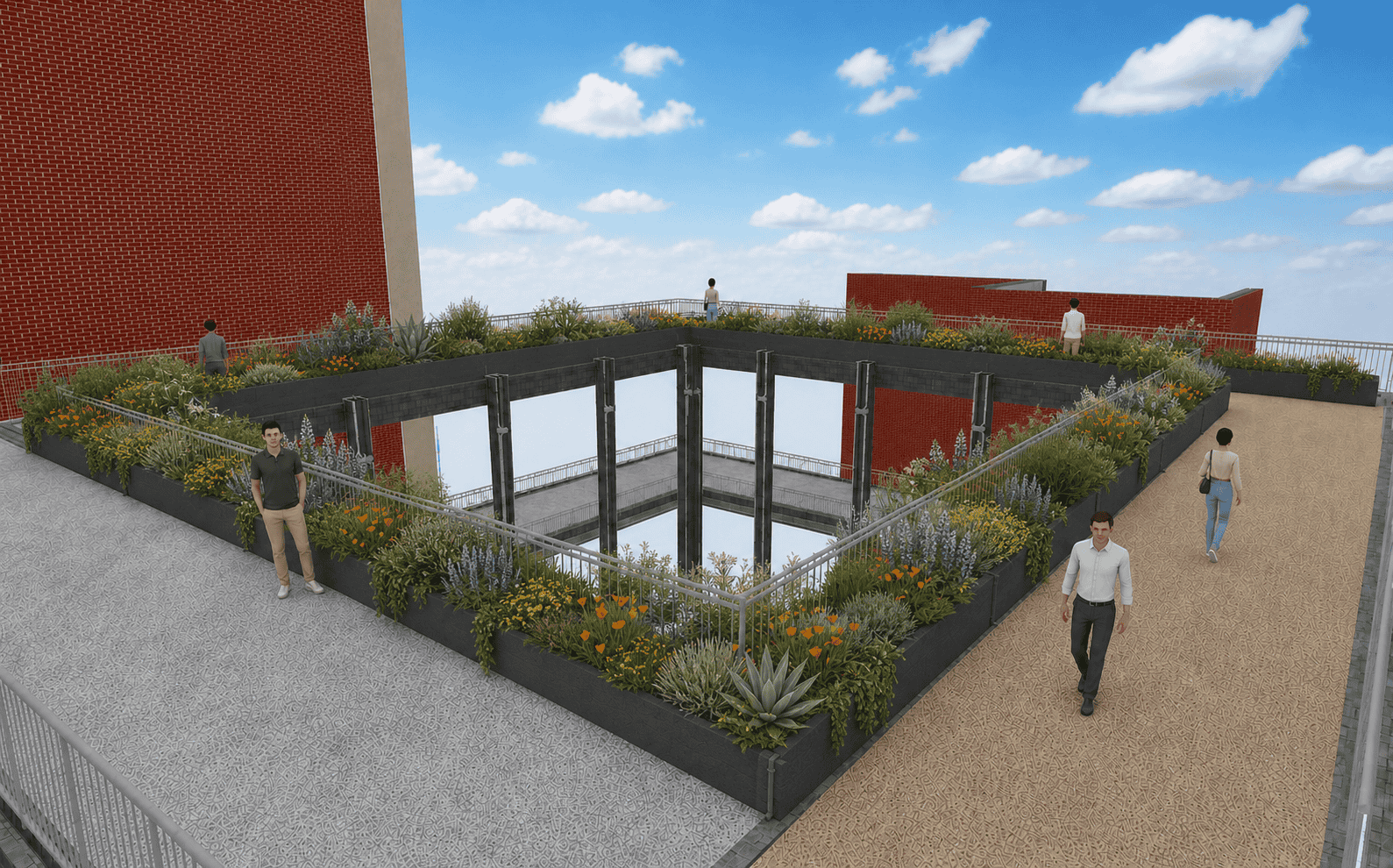
| Our project is a collaborative, interdisciplinary research effort evaluating the feasibility of retrofitting CSULB engineering buildings with aesthetic green roofs, incorporating a rain garden stormwater capture and reuse system. The key elements of the design include an Arduino-based, solar-powered smart irrigation and environmental monitoring system. The project will integrate hydraulic and hydrologic data to support design criteria and provide conduct structural, cost-benefit, and environmental impact analyses. Applying environmental engineering principles rooted in sustainability, this nature-based solution improves insulation and thermal performance, generates cost and energy savings, supports native biodiversity and carbon sequestration, and enhances air quality, public safety, and socioecological health. | |
| Group 9: | Microplastics and Human Activity Correlation | |
Image
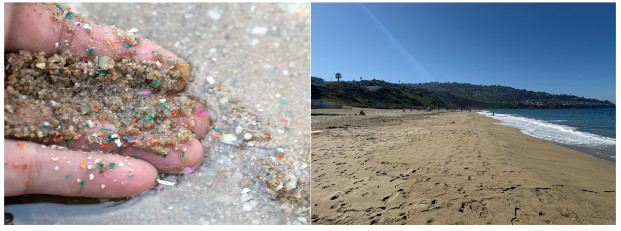
| This project aims to evaluate the concentration of microplastic particles (ranging from 600-4750 μm) at four different beaches within Los Angeles County and Orange County that have varying levels of human activity: Torrance Beach, Huntington Beach, White Point Park (San Pedro), and 3 Arch Bay (Laguna Beach). To determine where plastic particles originate from, sand samples were collected from both the intertidal zone and the supratidal zone at each location, and microplastic concentrations were quantified and compared. By comparing microplastic concentrations at beaches with higher recreational usage versus more isolated beaches, as well as between the different coastal zones, this study assesses whether microplastic prevalence is associated with human recreational activity or is spread through the environment via ocean currents. These findings will contribute to a better understanding of plastic pollution in coastal environments and will inform targeted mitigation strategies to reduce further introduction of additional pollutants. | |
| CEM 490 – Professor David Fait’s Class | ||
| Group 10: | Good Shepherd Cemetery Expansion | |
Image
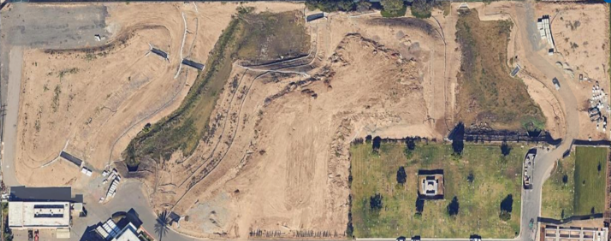
| The Good Shepherd Cemetery in Huntington Beach, owned by the Catholic Diocese of Orange, is expanding to meet growing needs. Established in 1967, the project includes new crypts and plots, mass grading, landscaping, a water pipeline, and coordination/construction of a public stormwater easement and conveyance system. Students use project plans to develop estimates, schedules, site layouts, safety plans, and a project management approach. | |
| Group 11: | Delaware | |
Image
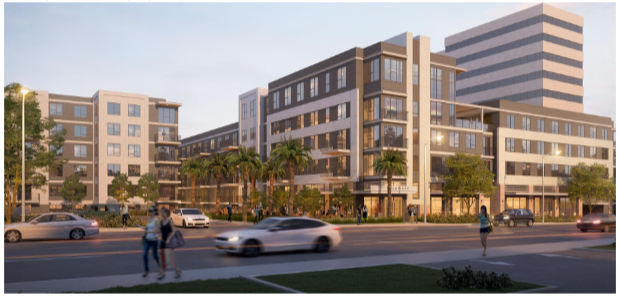
| Senior and assisted living construction projects are increasing, and students will examine current development in Huntington Beach. The Delaware project is a mixed use senior housing community with a proposed height of 85 feet, five stories plus a basement, and an allowable building area of 48,000 square feet. The project includes a parking garage and a roof deck mezzanine with a pool, which introduces significant engineering and construction challenges. Students are working with a set of construction plans, geotechnical reports, arborist reports, and an area sewer study to put together their project plan. | |
| Group 12: | Jordan High School Redevelopment | |
Image
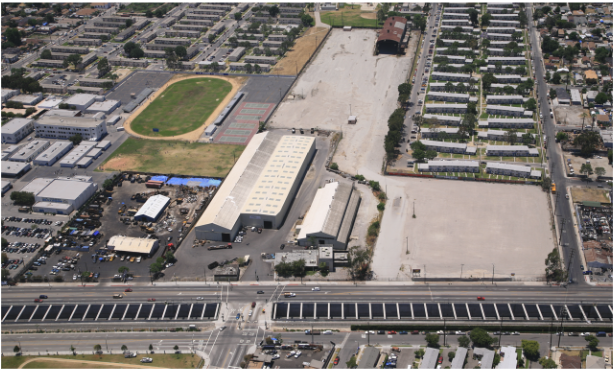
| The Jordan High School Redevelopment Project is a design build competition project from the ASC Student Reno Competition files. This project will modernize and reorganize a 21acre, 1930s-era campus in Watts, California while preserving its historic buildings. Key work includes: demolition, portable facilities, construction of new multistory buildings, and renovation of key existing structures. Major challenges include phasing work on an occupied campus, temporary classrooms, coordinating hazardous materials abatement and limiting noise and disruption during school and neighborhood hours. The team must also integrate new MEP, low-voltage, life-safety, and LEEDoriented systems. Students have limited construction documents and are putting together their project plan for the ground up. | |
| Group 13: | The Isles | |
Image
| The Isles is an ongoing development project in Huntington Beach, California, where students are tasked with constructing a 130-unit townhome complex on a 5.6-acre site. This is a three-phased project in which students provide a schedule, estimate, site plan, safety plan, and project management plan for the construction of the townhomes and utilities infrastructure. Students are working with soils reports, grading plans, and construction plan sets to test their knowledge of the construction risks, and their solutions to building near a college and large outdoor mall in Southern California. | |