Master of Science in Biomedical Engineering
Design, evaluate, and bring to market the technologies that advance human health. Now accepting applications for our inaugural cohort, Fall 2027.
About the Program
The Master of Science in Biomedical Engineering (MS BME) at California State University, Long Beach prepares engineers to design, evaluate, and bring to market the technologies that advance human health. Building on a foundation of biology, mathematics, physics, chemistry, and engineering, the curriculum covers compliance and quality of medical devices, advanced systems physiology and design, medical imaging, tissue engineering, bioinstrumentation, and applied data analysis for engineers, and culminates in either a thesis or a directed-research project.
Offered by the Department of Biomedical Engineering in the Hung Family College of Engineering, the program serves both full-time students and working professionals in the Southern California biomedical industry. Graduates are prepared to work at an advanced level in the biomedical industries or to pursue doctoral study.
Our mission
The mission of the Department of Biomedical Engineering at CSULB is to serve the university and the broader academic and non-academic communities through education, research, and scholarly activities in a diverse, inclusive, and student-centered environment.
The MS BME program is designed to produce graduates with strong foundational knowledge and applied skills for addressing complex healthcare challenges through engineering innovation. Students develop advanced technical competencies, gain collaborative experience in multidisciplinary environments, and cultivate habits of continuous learning and critical thinking in the evolving biomedical field.
The program gives students the opportunity to
- refine their problem-solving skills to serve as senior-level engineers;
- extend their knowledge through up-to-date research and development topics in engineering, biology, and medicine, and contribute as well-trained specialists to advancing healthcare strategies and techniques; and
- continue their intellectual growth in a multidisciplinary area that combines engineering, biology, and medicine.
Why join us?
- At the heart of the Southern California medtech corridor. CSULB is surrounded by leading biomedical device companies such as Edwards Lifesciences, Medtronic, Applied Medical, and Johnson & Johnson.
- Built with industry input. The curriculum was shaped by our BME Industry Advisory Board and alumni working in industry. It emphasizes product development, regulatory compliance, and translational research.
- Accessible and affordable. A 30-unit, practice-oriented degree at CSU tuition, designed for recent graduates and working engineers alike.
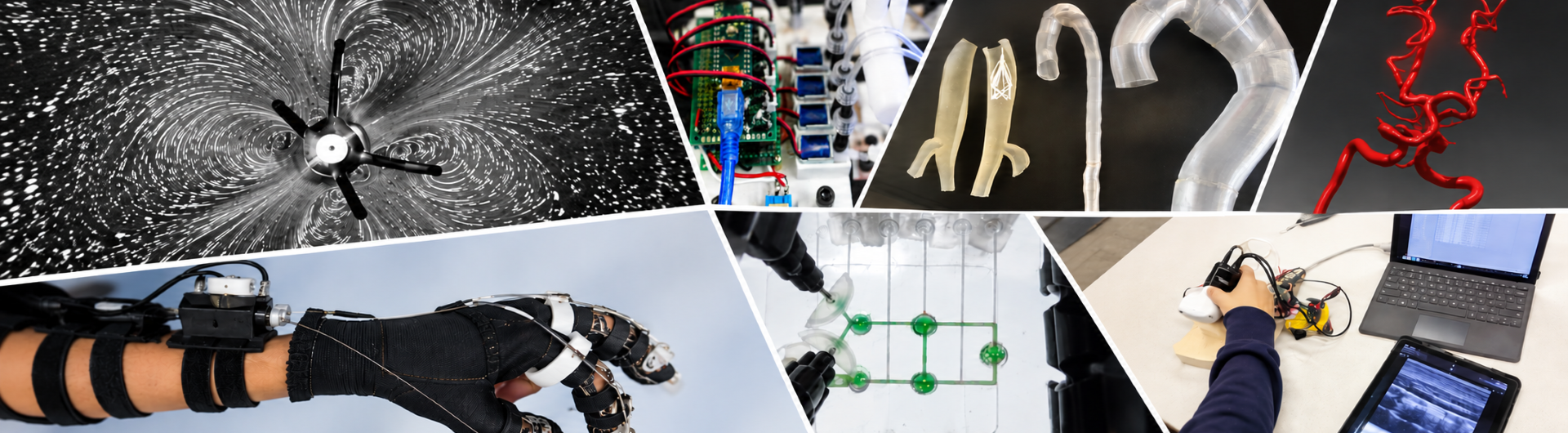
- Research-active faculty and labs. Work alongside faculty in bioinstrumentation, biomechanics and robotics, tissue engineering, medical imaging, cardiovascular engineering, and bioinformatics.
- Built on an ABET-accredited undergraduate program. The BS in Biomedical Engineering at CSULB is ABET-accredited.
- Be part of the first cohort. The program launches in Fall 2027.
Program at a Glance
| Item | Detail |
| Degree | Master of Science in Biomedical Engineering |
| Units to degree | 30 units |
| Modality | In person (face-to-face), CSULB main campus |
| Term of entry | Fall only. First cohort: Fall 2027 |
| Culminating experience | Thesis (BME 698) or directed-research project (BME 697) |
| Application window | Cal State Apply opens October 1. Deadline: April 1 |
| GRE | Not required |
| Department | Biomedical Engineering, Hung Family College of Engineering |
Curriculum
Core courses (18 units, all required)
| Course | Title | Units |
| BME 500 | Compliance and Quality of Medical Devices | 3 |
| BME 505 | Advanced Systems Physiology and Design | 3 |
| BME 510 | Advanced Medical Imaging | 3 |
| BME 550 | Advanced Tissue Engineering | 3 |
| BME 560 | Advanced Bioinstrumentation | 3 |
| ENGR 570 | Applied Data Analysis for Engineers | 3 |
Elective courses (6 units for thesis, 9 units for project)
| Course | Title | Units |
| BME 507 | Biomedical Engineering Applications in Sports Medicine | 3 |
| BME 515 | Advanced Bioinformatics and Genomics | 3 |
| BME 530 | Engineering Living Matter | 3 |
| BME 555 | Advanced Cardiovascular Engineering | 3 |
Electives are chosen from the student's area of concentration with approval from the graduate advisor.
Culminating experience: choose one
| Option I: Thesis | Option II: Project |
18 units of core courses 6 units of electives Advancement to Candidacy BME 698 Thesis (6 units) Written thesis | 18 units of core courses 9 units of electives Advancement to Candidacy BME 697 Directed Research (3 units) |
Total for either option: 30 units.
Learning Outcomes
Program Learning Outcomes (PLOs)
- PLO 1: Demonstrate advanced technical and interdisciplinary knowledge in core biomedical engineering areas and apply it to real-world healthcare, biotechnology, and societal challenges.
- PLO 2: Demonstrate the ability to lead or contribute to multidisciplinary teams in solving engineering problems related to human health and well-being.
- PLO 3: Engage in lifelong learning, collect diverse perspectives, and apply critical analysis to evolving challenges in biomedical engineering and society.
Student Learning Outcomes (SLOs)
Graduates of the MS BME program will be able to:
- SLO 1: Apply mathematical, biological, and engineering principles to design and analyze biomedical systems, devices, or processes that address clinical, public health, or sustainability challenges. (PLO 1)
- SLO 2: Formulate and solve complex biomedical engineering problems using advanced modeling, simulation, or experimental methods, integrating ethical, societal, and global considerations. (PLO 1)
- SLO 3: Collaborate effectively in multidisciplinary and culturally diverse teams to manage, design, or evaluate biomedical engineering projects, demonstrating clear communication and shared accountability. (PLO 2)
- SLO 4: Integrate ethical, regulatory, and global considerations into the design and implementation of biomedical systems or technologies. (PLO 2)
- SLO 5: Critically evaluate and synthesize interdisciplinary, peer-reviewed literature to inform biomedical research, innovation, and evidence-based decision-making. (PLO 3)
Admission Requirements
Applicants must:
- satisfy the university requirements for graduate admission;
- have a GPA of 2.70 or above in the last 60 semester (or 90 quarter) upper-division units attempted in their major for the bachelor's degree;
- hold a bachelor's degree from an accredited program in Biomedical Engineering or Bioengineering. Applicants with a bachelor's degree in engineering, mathematics, science, or another appropriate discipline are also considered, provided they satisfy the essential undergraduate prerequisites in engineering; and
- if their degree is from a non-U.S. institution, meet the university's English language proficiency requirement.
The GRE is not required. Applications are reviewed holistically, considering academic potential, background, and experience.
How to Apply
Apply through Cal State Apply (opens October 1). Deadline: April 1. Apply early: the department reviews applications on a rolling basis as they arrive.
Application components
- Cal State Apply application and $70 application fee
- Statement of Purpose (maximum two pages). Describe your background, why you want the CSULB MS BME, your focus area (e.g., medical devices, imaging, tissue engineering, bioinstrumentation, biomedical data analysis), whether you plan the thesis or project option, and any CSULB BME faculty whose work matches your interests.
- CV or résumé (maximum two pages)
- Unofficial transcripts from every college or university attended
- Two letters of recommendation, uploaded by your recommenders through Cal State Apply. At least one academic reference is strongly preferred.
- Official transcripts sent to CSULB Enrollment Services by the posted transcript deadline
- English language proficiency scores, if applicable
No separate departmental application form is required.
Degree Progress
Advancement to Candidacy
Students must advance to candidacy before enrolling in BME 697 or BME 698. To advance, students must have:
- completed any undergraduate deficiencies with a minimum cumulative GPA of 3.0;
- completed at least 12 units of graduate coursework in the MS BME program with a minimum GPA of 3.0; and
- a program of study approved by the MS BME graduate advisor and the department chair.
Continuation in the program
- Maintain a minimum GPA of 3.0 and make satisfactory academic progress.
- Enroll continuously in fall and spring (at least one course each semester). Summer is optional.
- Students in good standing who need a break must file an Educational Leave of Absence form in advance. Without an approved leave, students may be administratively removed from the program.
Career Outcomes
Graduates are prepared for advanced roles in the biomedical device industry and for doctoral study in biomedical engineering. Typical positions include:
- Biomedical Engineer · R&D Engineer · Scientist · Systems Engineer
- Data Scientist · Signal Processing Engineer
- Medical Device Software Engineer · Medical Device Hardware Engineer
Graduates are competitive for positions at leading medical technology companies such as Medtronic, Abbott, Edwards Lifesciences, Johnson & Johnson, and GE Healthcare
Faculty & Facilities
Program faculty
| Name | Title | Areas |
| Ga-Young (Kelly) Suh | Associate Professor; Interim Chair | Cardiovascular engineering; medical device compliance |
| Perla Ayala | Associate Professor | Tissue engineering; systems physiology |
| Siavash Ahrar | Associate Professor | Engineering living matter; bioinstrumentation |
| Shadnaz Asgari | Professor | Biomedical signal processing; data analysis; bioinformatics |
| Emel Demircan | Associate Professor | Sports biomechanics; robotics |
| Derek Hu | Assistant Professor | Bioinformatics; data analysis |
| I-Hung Khoo | Professor | Bioinstrumentation |
| Roger Lo | Professor | Systems physiology |
| Maricela Maldonado | Assistant Professor | Tissue engineering; stem cells |
| Arjang Fahim | Lecturer | Bioinformatics; data analysis |
| Maryam Moussavi | Lecturer | Medical imaging; bioinstrumentation |
Faculty Research Labs
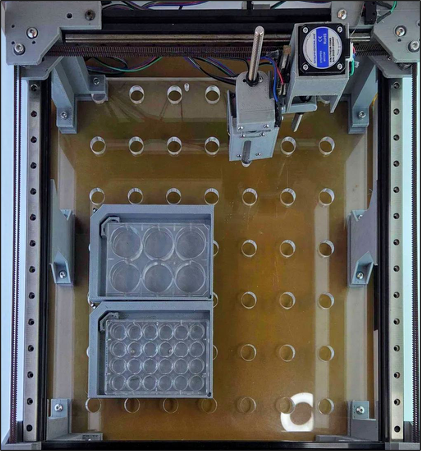
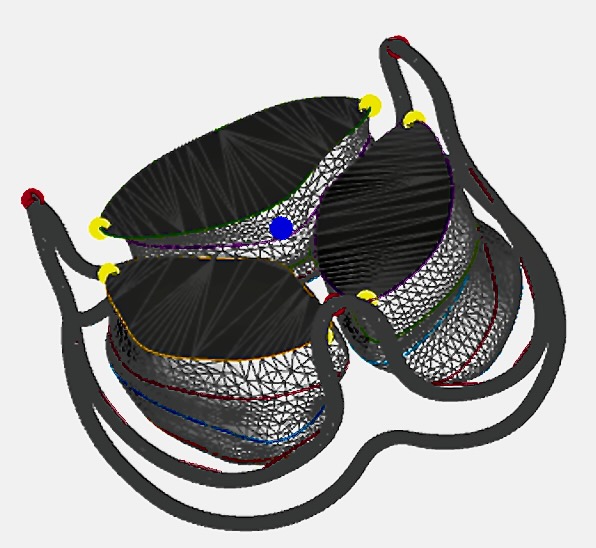
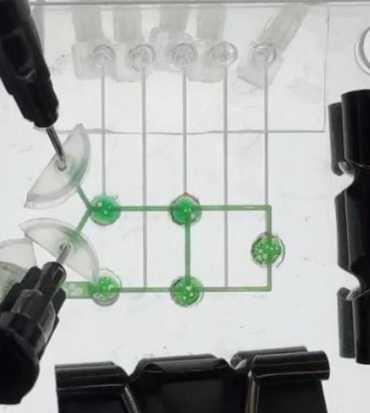
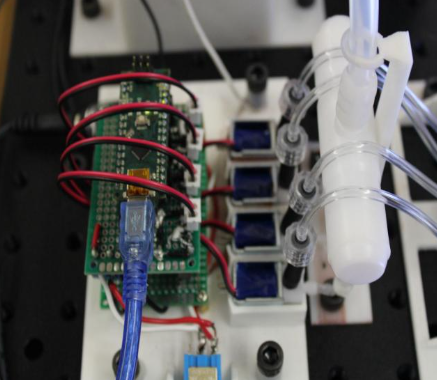
The MS BME curriculum does not include course-based labs. Instead, students gain hands-on research experience in faculty-mentored research labs outside of their coursework, as part of their thesis or directed-research project. Current BME faculty research labs:
- Therapeutic and Regenerative Systems · ET 243 · Dr. Perla Ayala
- Autonomous Machinery for Engineering Living Matters · ET 243 · Dr. Siavash Ahrar
- Cardiovascular Engineering and Device Innovation · VEC 217 · Dr. Kelly Suh
- Biomaterials and Stem Cell Engineering · VEC 326 · Dr. Maricela Maldonado
- Human Performance and Robotics · ECS 115 · Dr. Emel Demircan
- Cognitive Analysis of Timeseries and Signals · ECS 215 · Dr. Derek Hu
Students also have access to the University Library's engineering and biomedical databases, high-performance computing, and licensed software including MATLAB, Simulink, and SolidWorks.
Student Resources
Contact:
Department Office: ET-110
Phone: 562.985.4185
Department Chair: Dr. Ga-Young Kelly Suh
Department Coordinator: Karla Reyes
Mailing Address:
Department of Biomedical Engineering
California State University Long Beach
1250 Bellflower Blvd.
Long Beach, CA 90840