




Shark Lab, October 2026 Snapshot
The CSULB Shark Lab, established in 1966 by Dr. Donald Nelson, studies the physiological and behavioral ecology of marine animals. Emphasizing the effect of human activity, the Shark Lab also aims to challenge the public perception of sharks and provide marine education to the community through the Shark Beach Safety program. Dr. Chris Lowe, director of the Shark Lab, and his team of students utilize and develop new and innovative research technologies to tag, track, and monitor shark populations up and down the California coast, providing incredible insight into our ocean inhabitants.
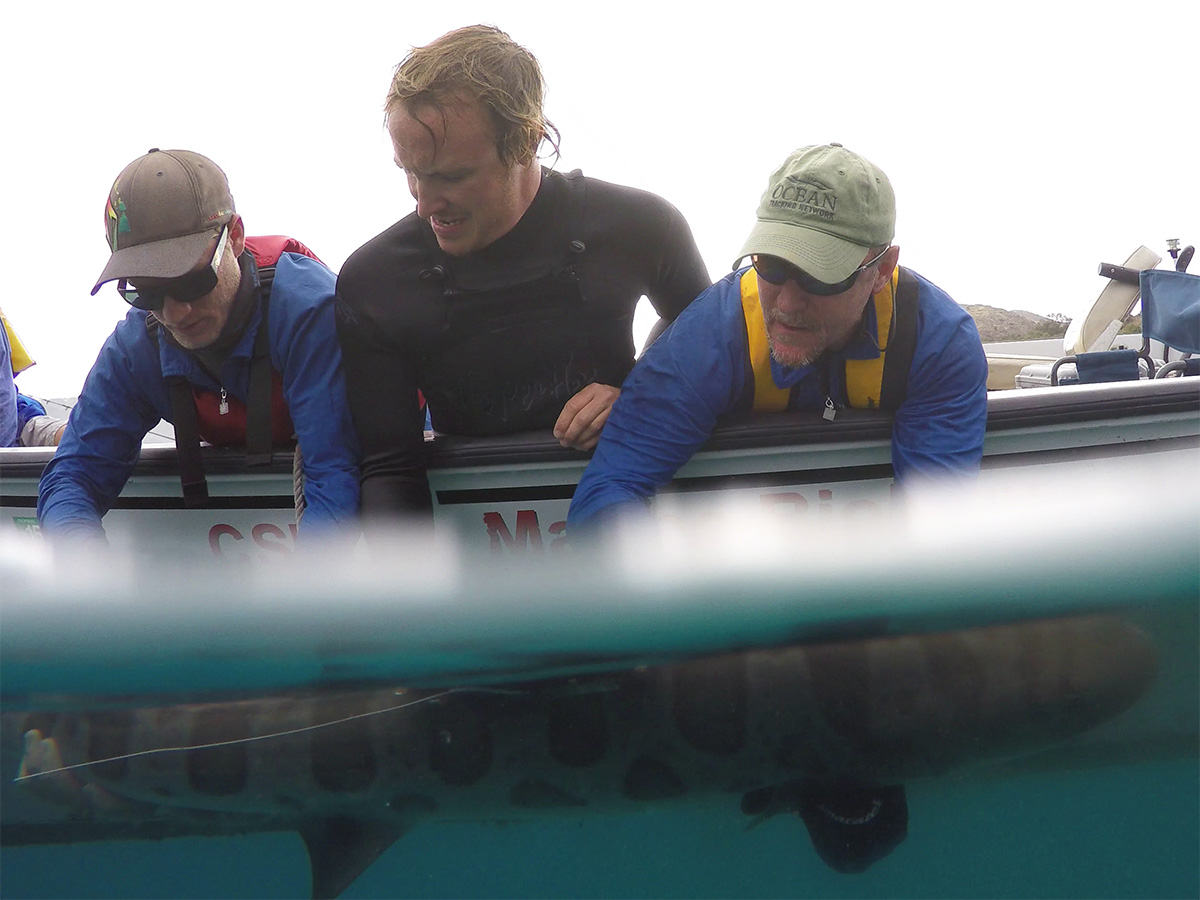
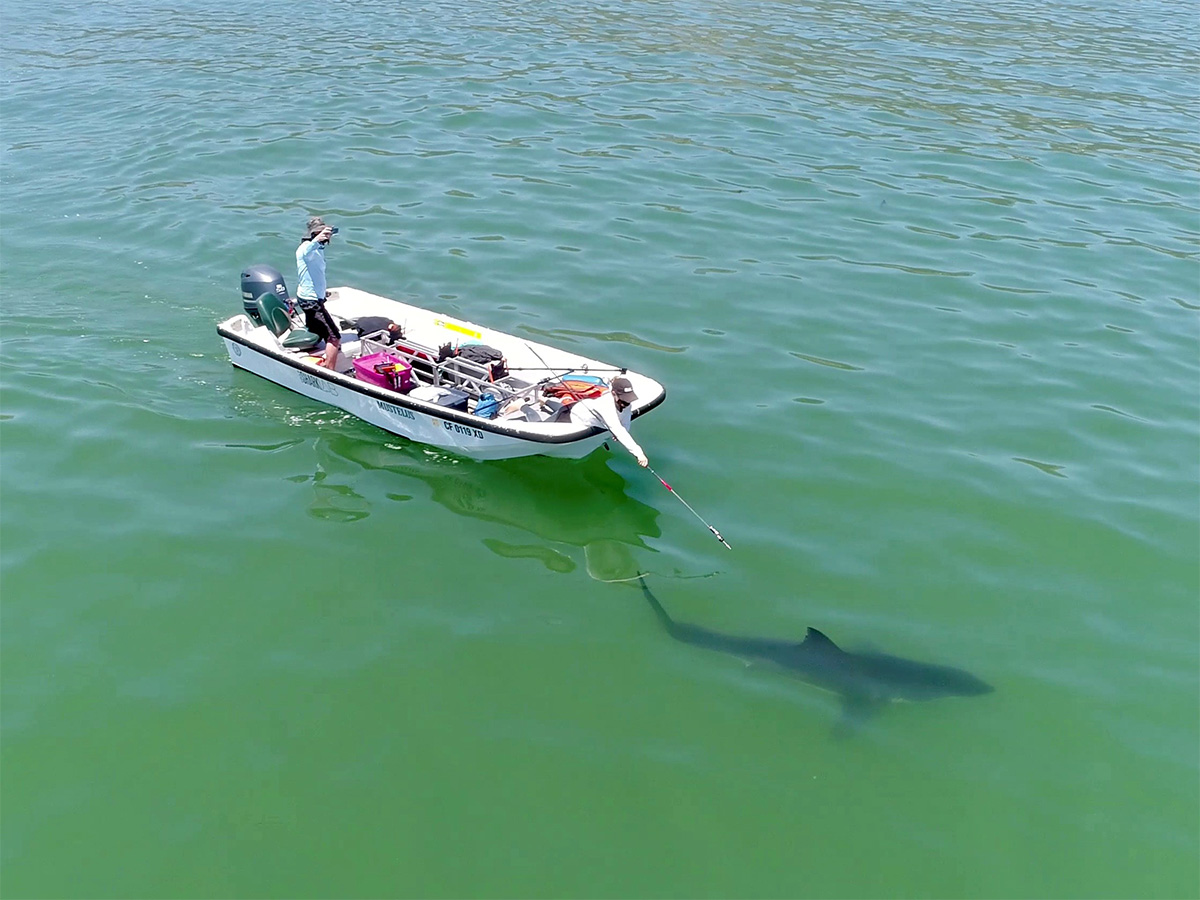
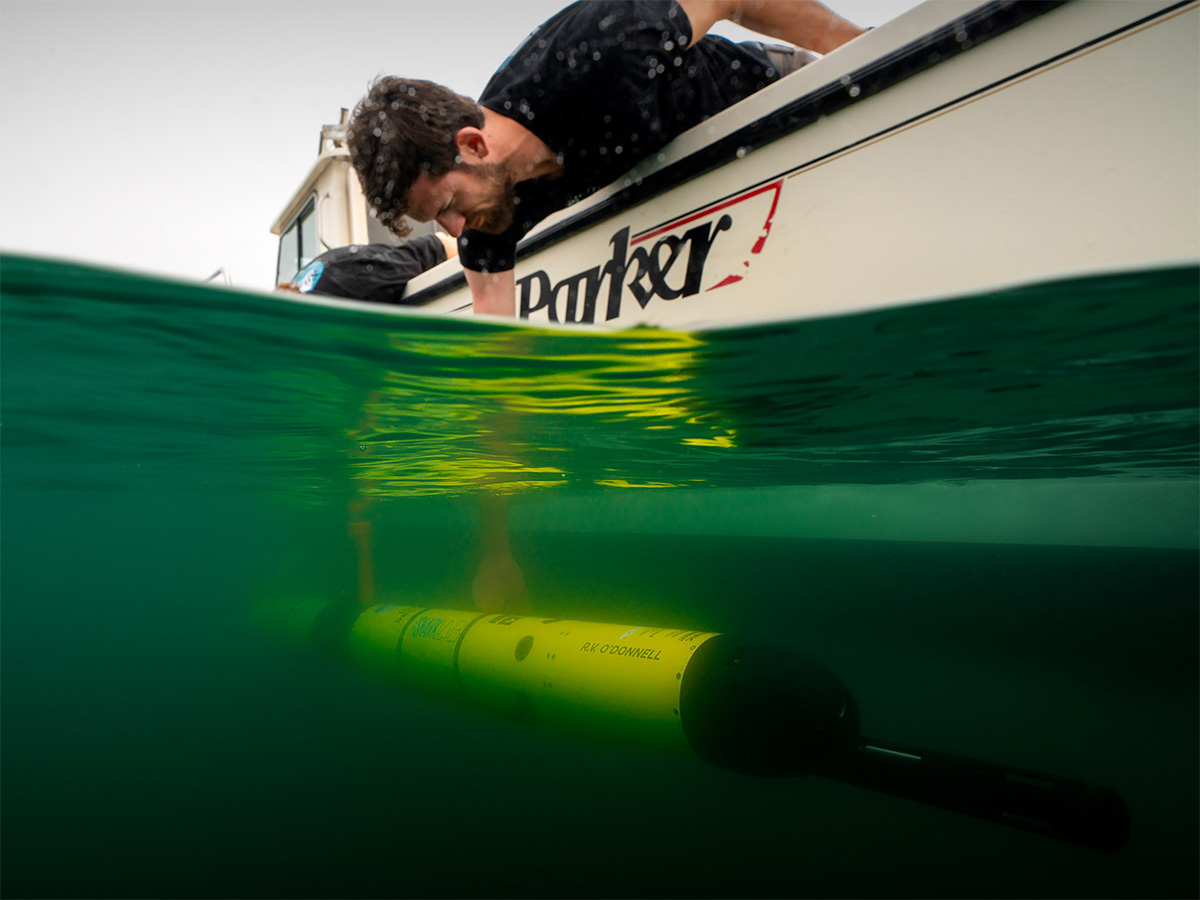
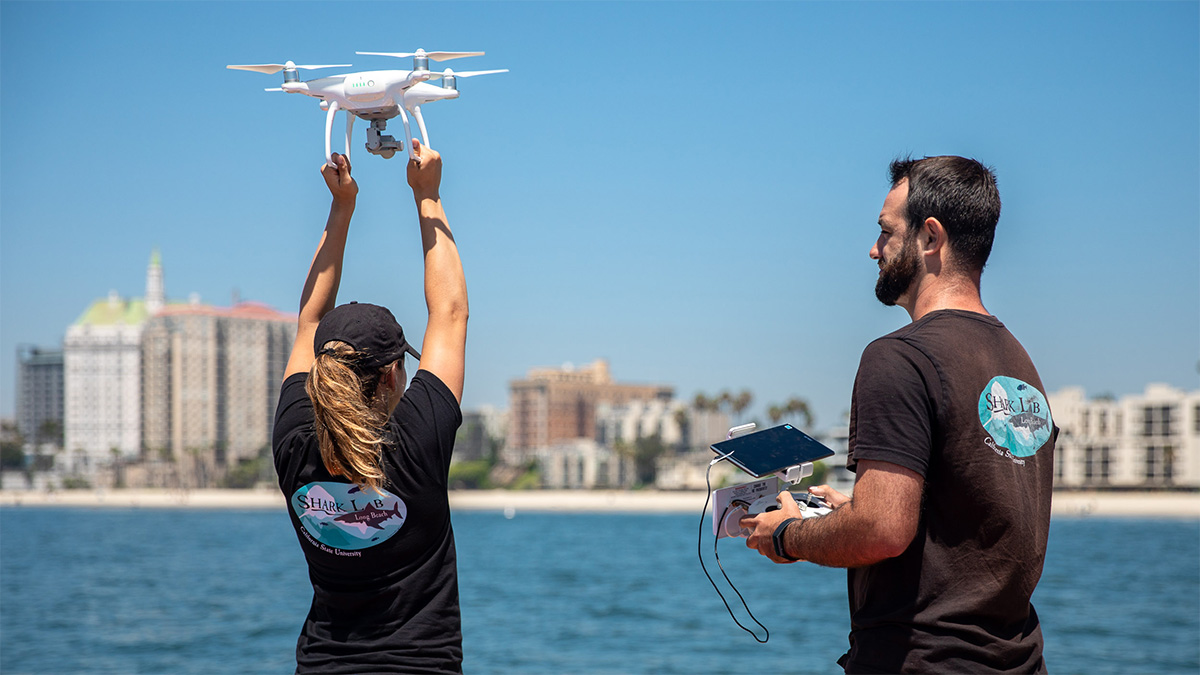
Using technology like acoustic telemetry and drones, the Shark Lab has contributed meaningful research that helps keep people – and sharks – safe in the water. Their research is important in the conservation and restoration of depleted shark populations, as well as reshaping how the public and the media view sharks.
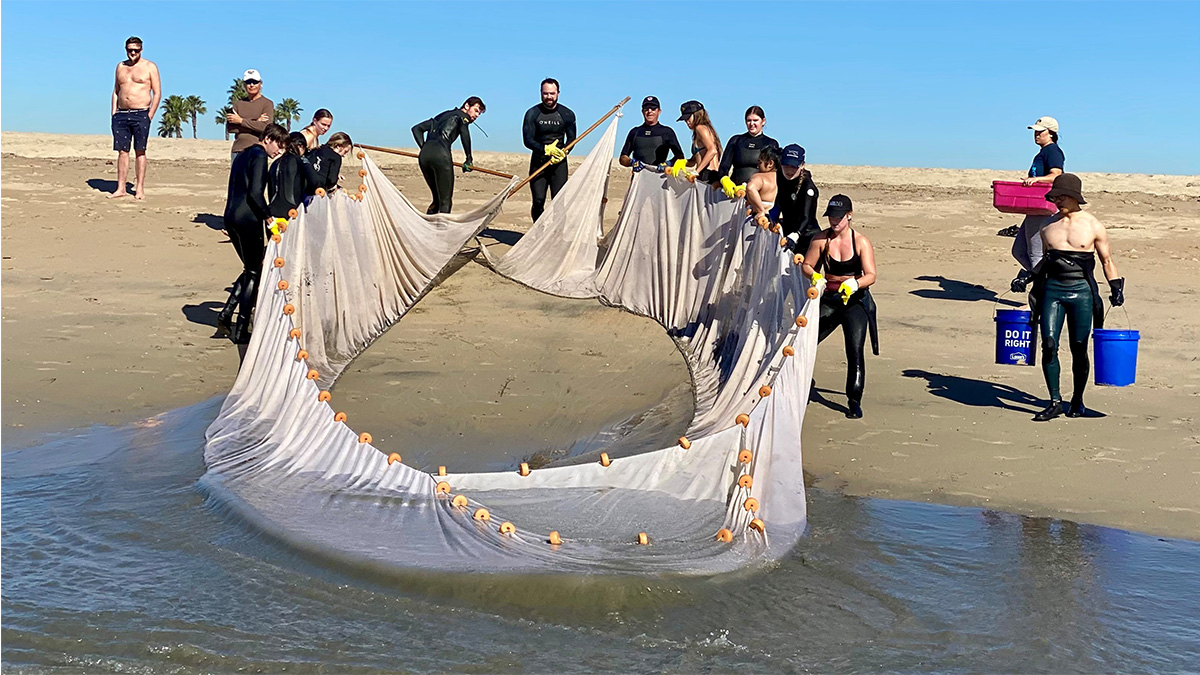
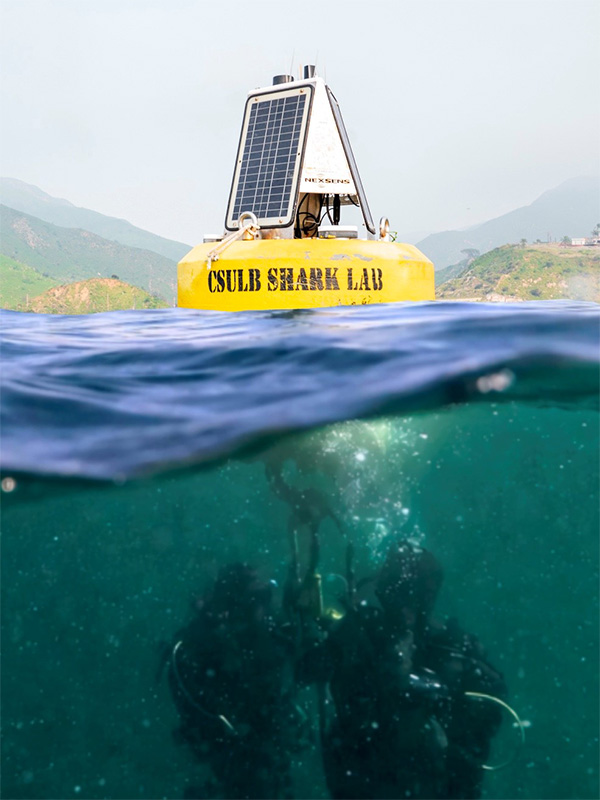
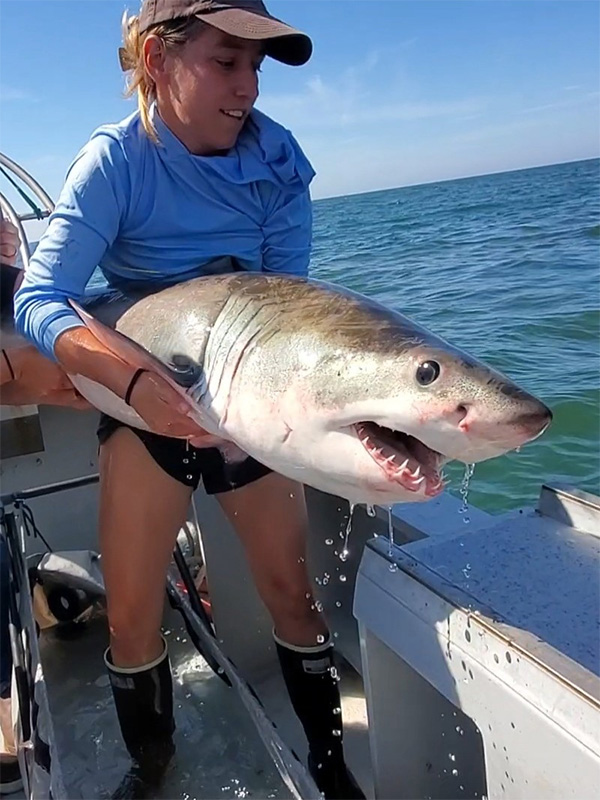
Leveraging information, psychology, and art, the shark lab has even developed a series of comic books to help people, especially children, understand how to engage with the ocean safely and respectfully. The goal of programs like Shark Beach Safety, understand and reduce human risk of shark bites and the economic challenges that surround these incidents, to preserve the need for State and Federal protection for white sharks due to their ecological importance and provide those who use California beaches with science-based information to enhance their safety.
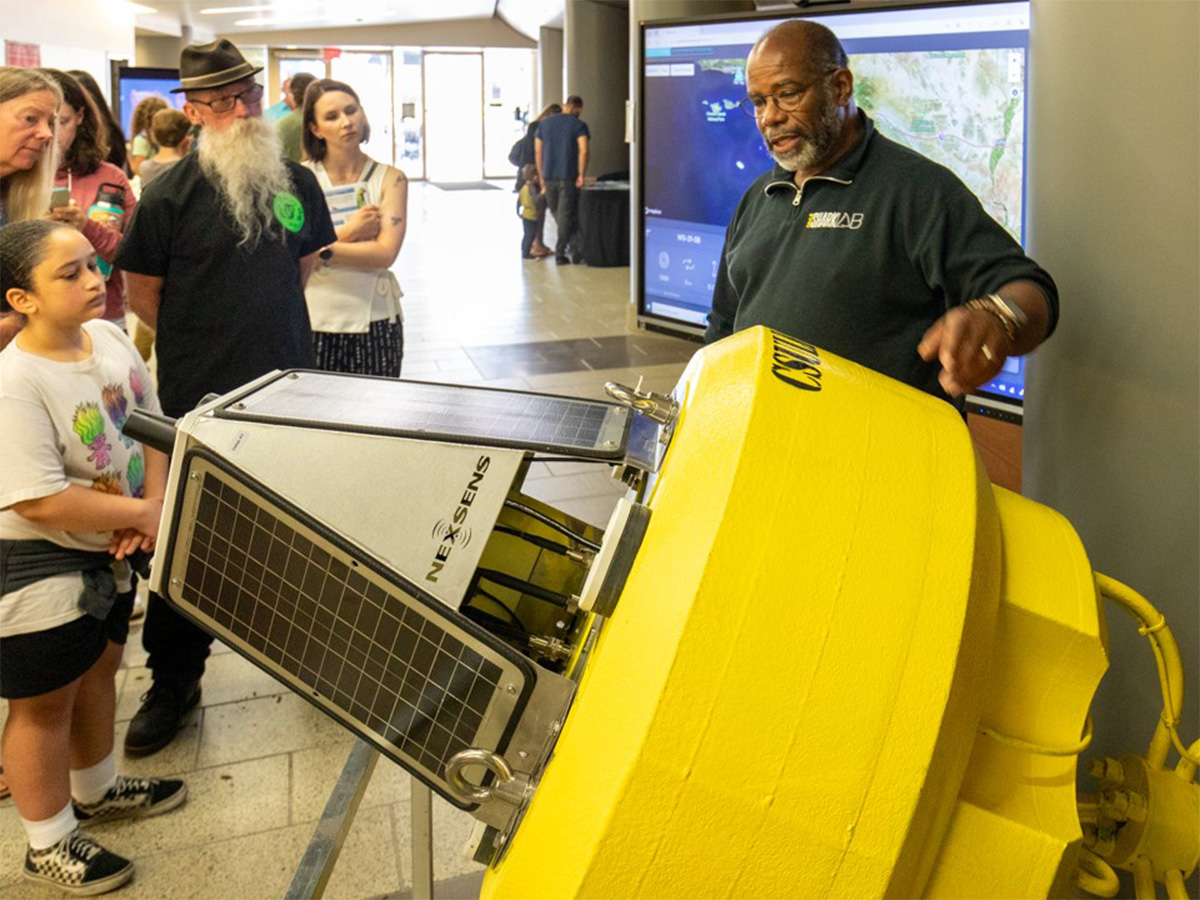
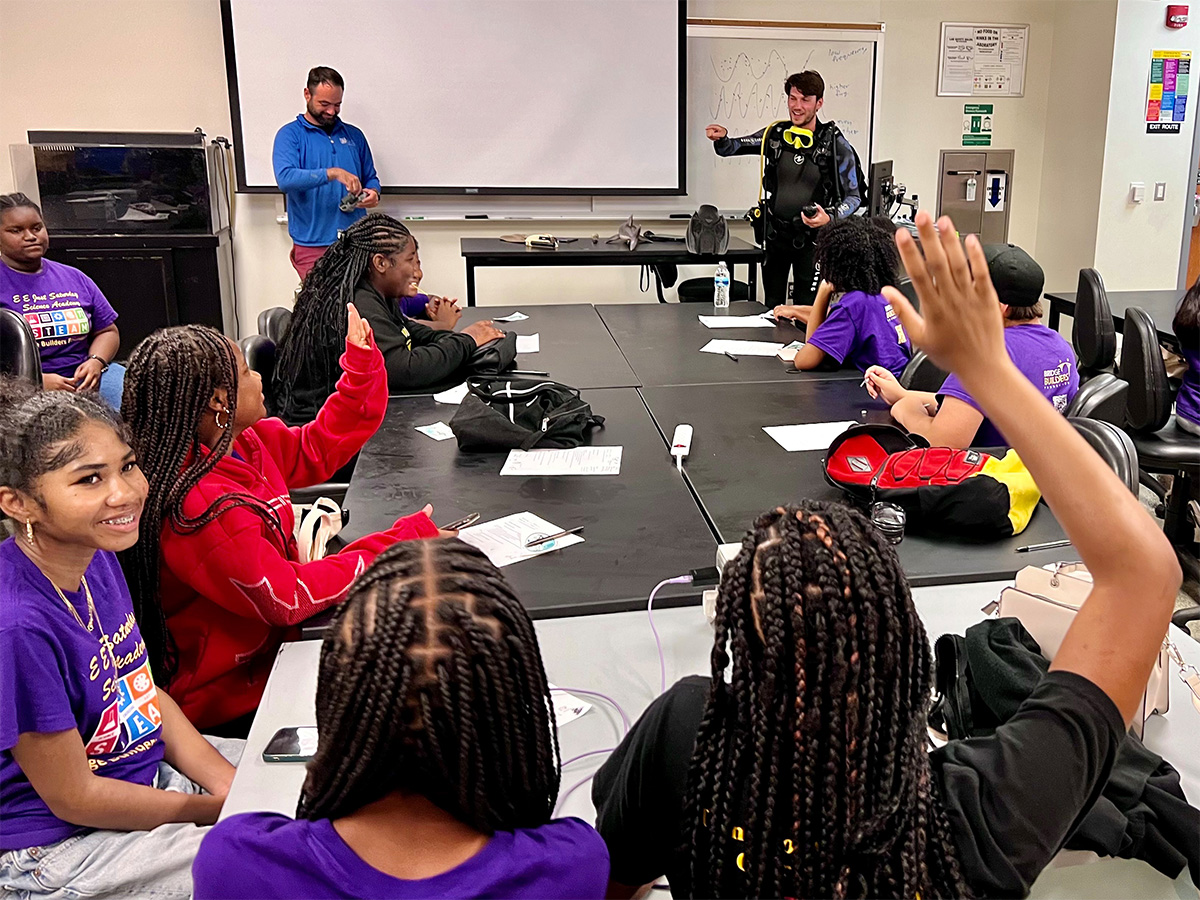
In addition to several marine vehicles, the Shark Lab has workstations for student researchers, dry lab space for computers, dissection scopes, and electronics, access to the biological sciences dive facility, indoor and outdoor tanks, and a wide range of monitoring equipment.
