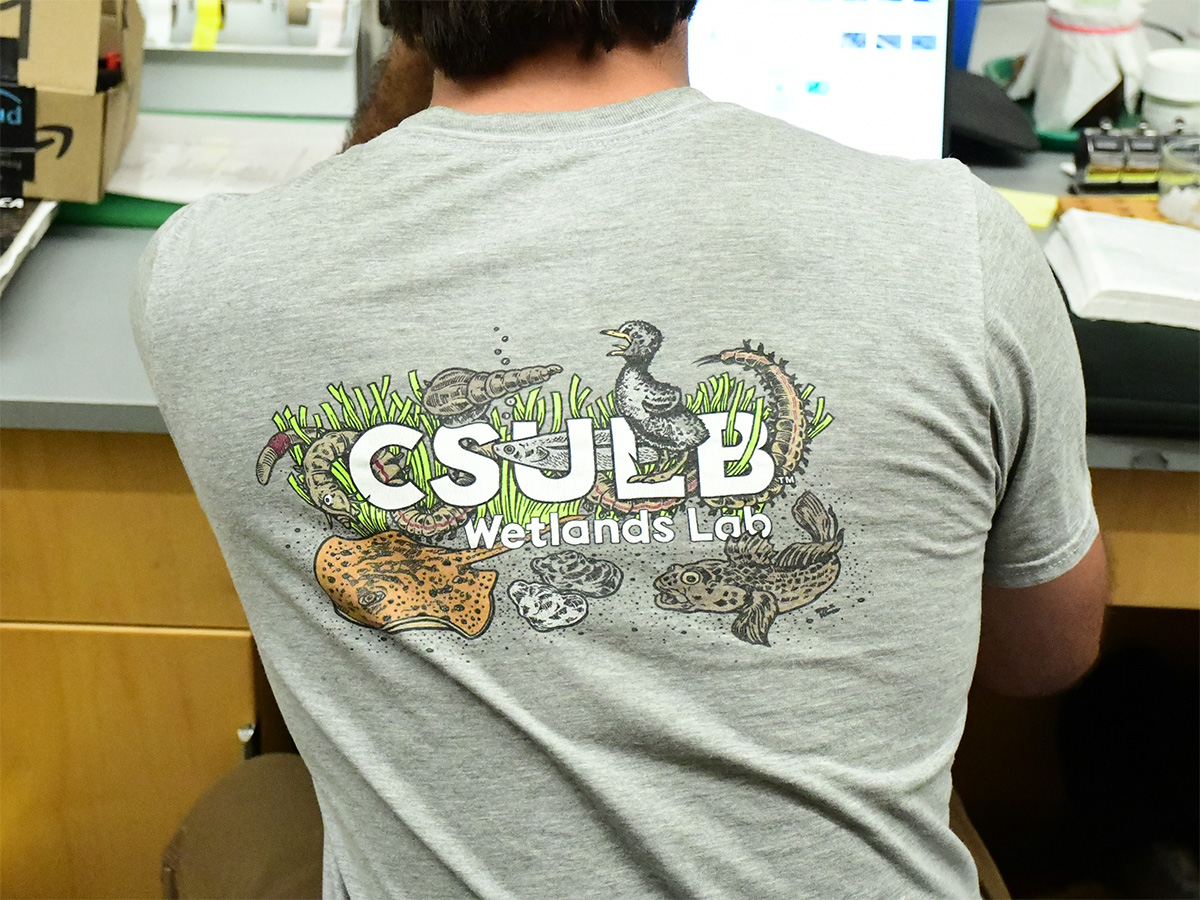
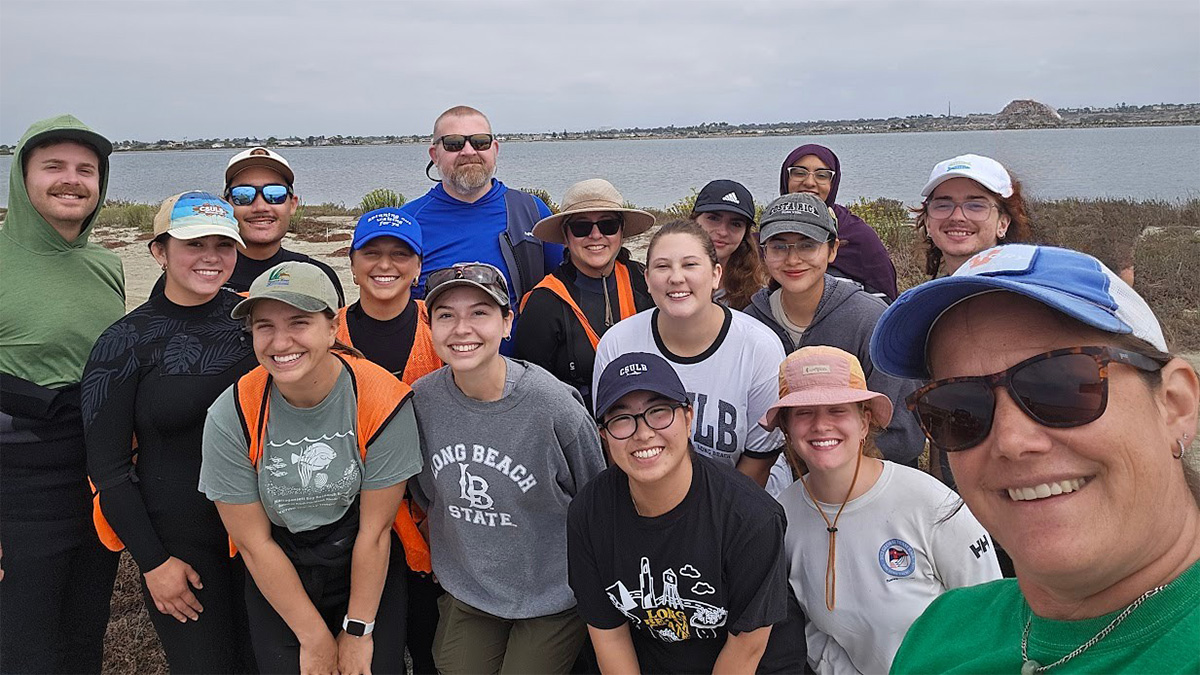
Dr. Christine Whitcraft, a Professor in the Biological Sciences Department, and her students in the CSULB Wetlands Ecology Lab focus on the impact of human activities on the functioning of coastal wetlands.
Wetlands are important ecosystems for not only the plants and animals that live there but for the humans that live around them. They are nursery habitat for valuable fish and birds, they buffer the coast from storms and reduce erosion, and they help filter runoff before it reaches the open ocean. Despite this recognized importance, wetlands have been reduced in both area and quality.
Students in the CSULB Wetlands Ecology Lab investigate how invasive species, development, and climate change impact what species can live in wetlands and how these species function under changing conditions. They also design solutions to help reduce these impacts, helping ensure that wetlands remain a valuable resource for future generations.
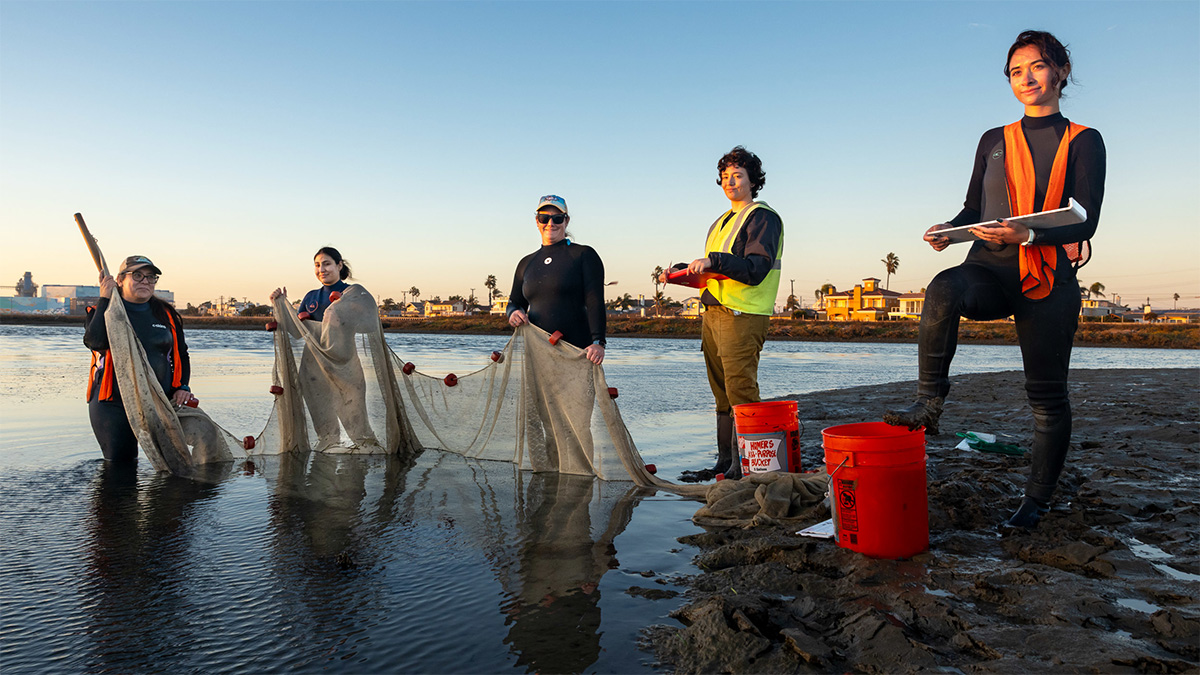
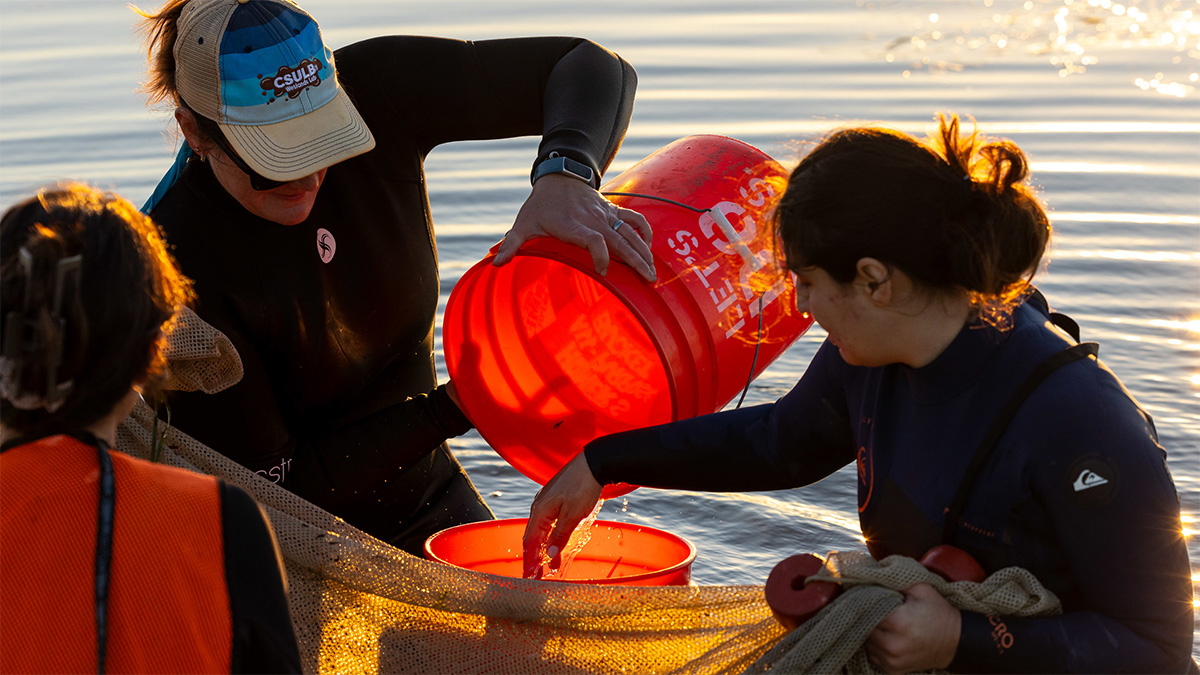
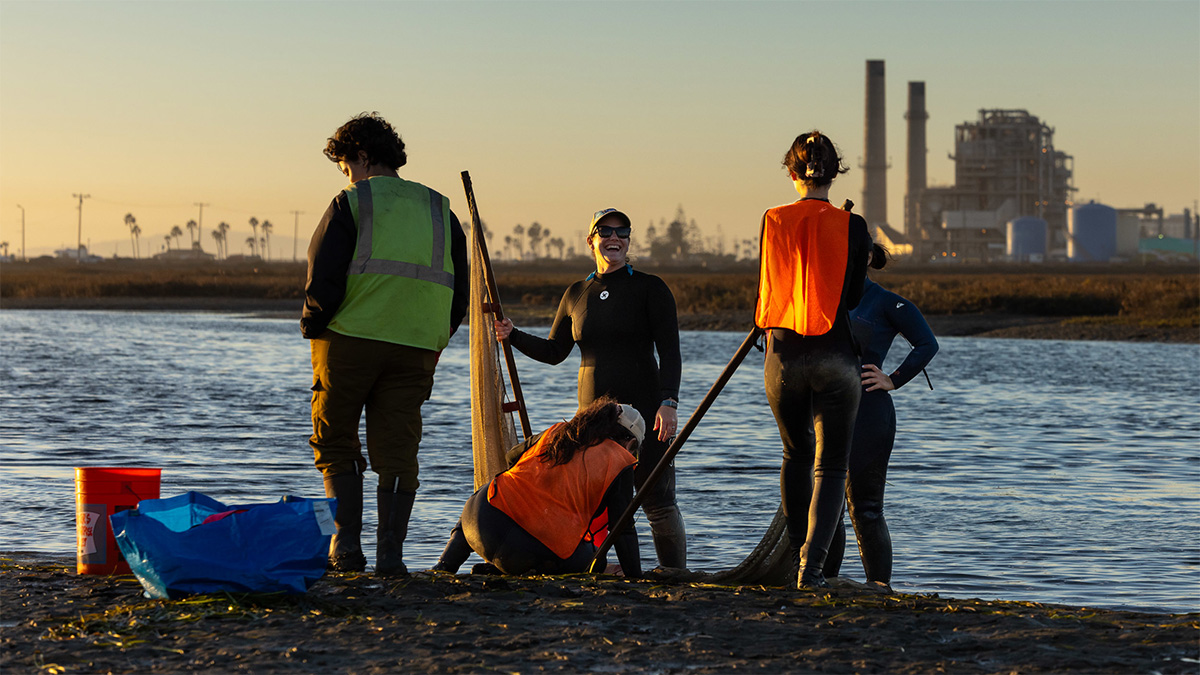
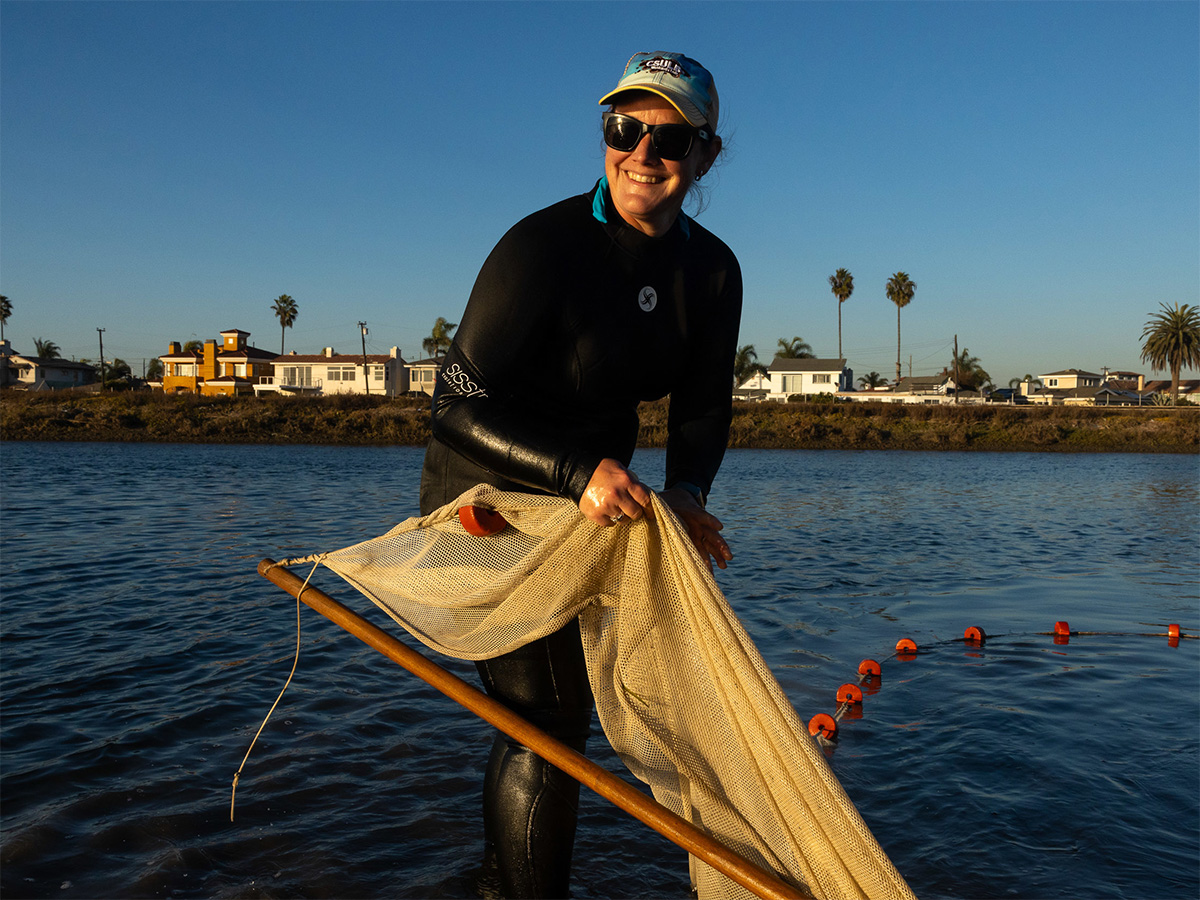
The wetland lab conducting seines, which helps us understand the condition of wetlands based on the fish community. Photo Credit: Sean DuFrene
Image
The wetland lab conducting seines, which helps us understand the condition of wetlands based on the fish community. Photo Credit: Sean DuFrene
Image
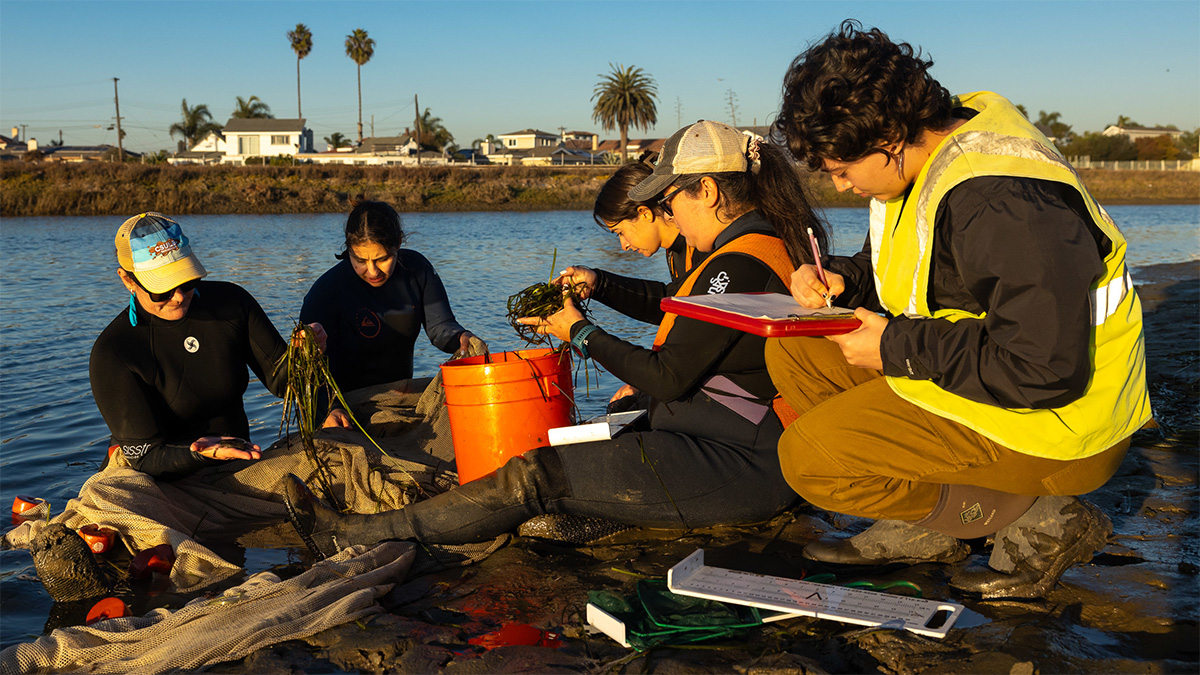
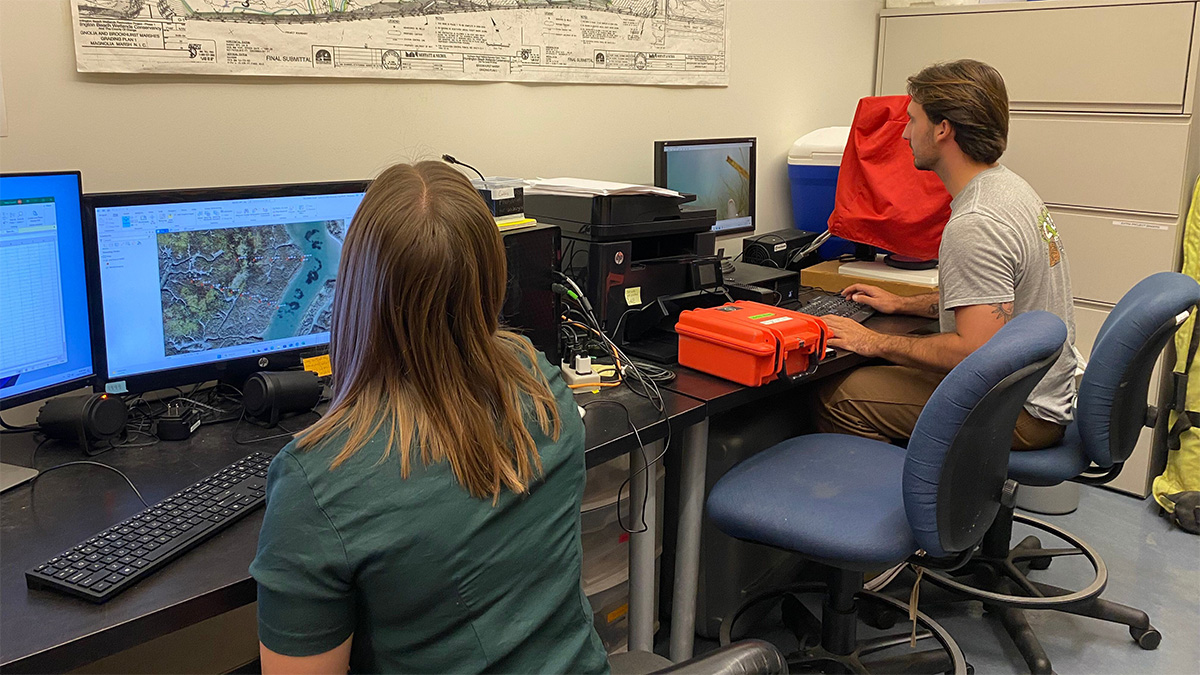
Analyzing and recording data collected from the seines. Photo Credit: Sean DuFrene
Image
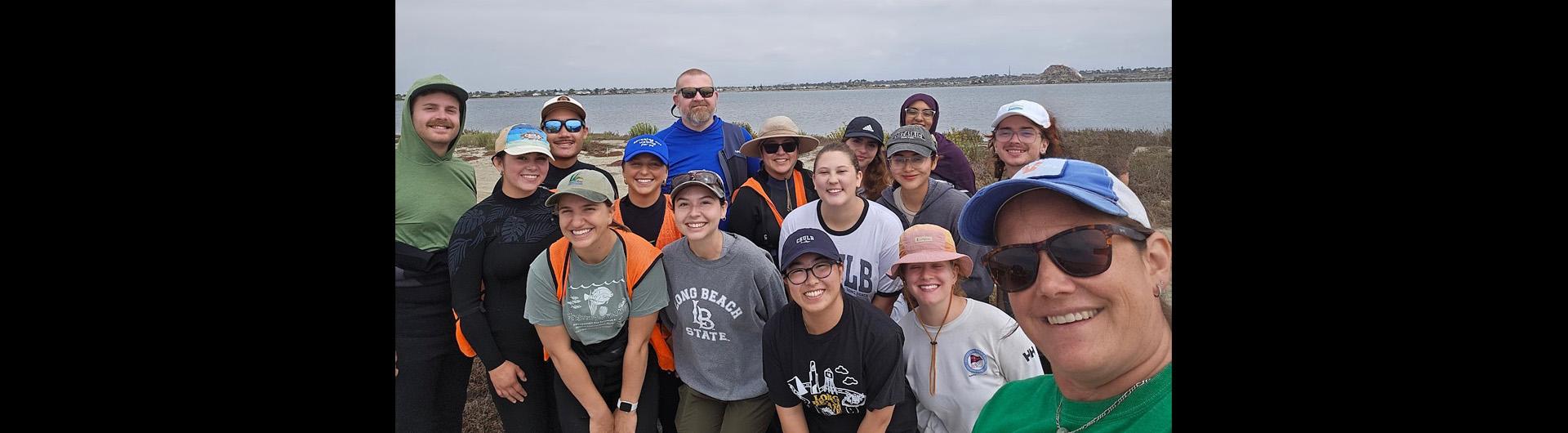
Dr. Whitcraft and lab members wrapping up a day of data collection. Photo Credit: Sean DuFrene
Image
Dr. Christine Whitcraft in the field. Photo Credit: Sean DuFrene
Image
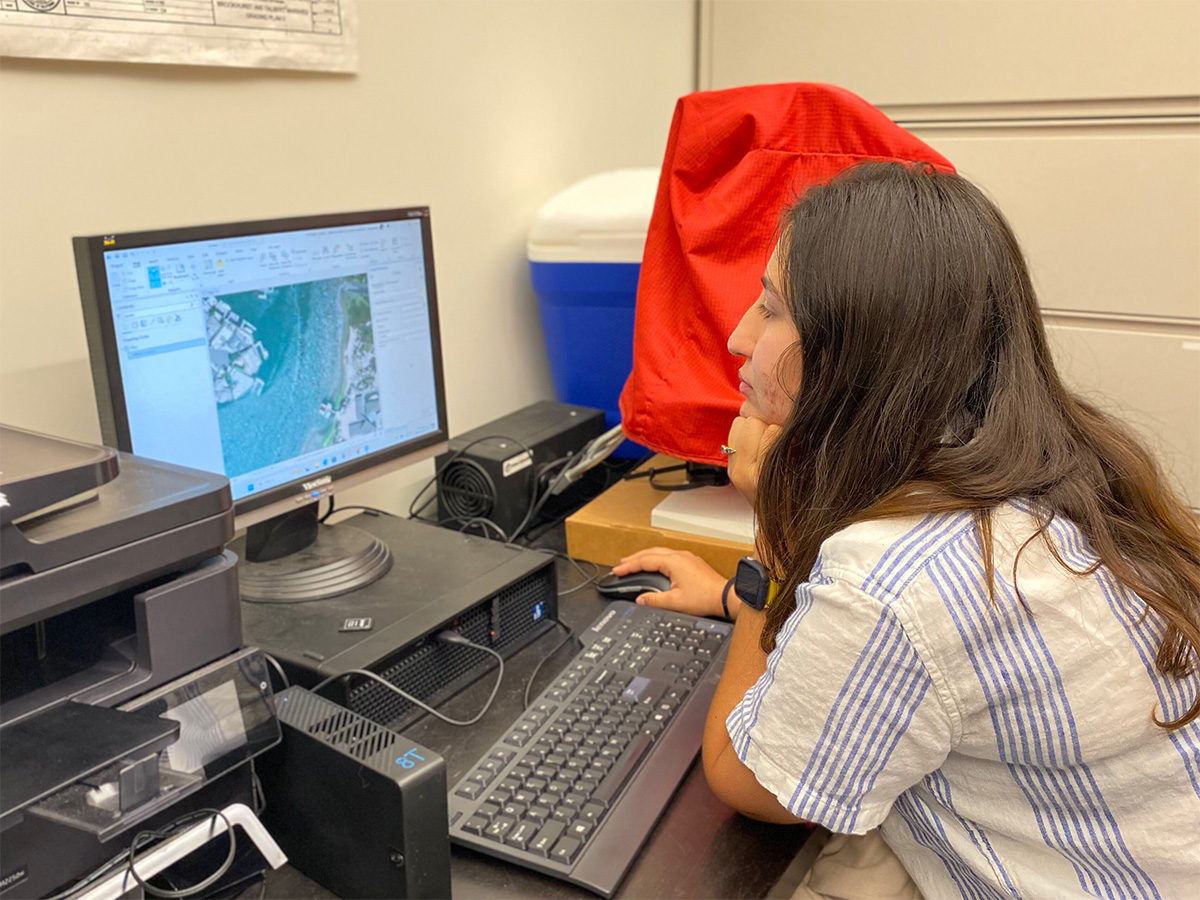
Graduate student Daniella Gavriel using aerial drones to map restored oyster beds and track how they changed through time.
Image
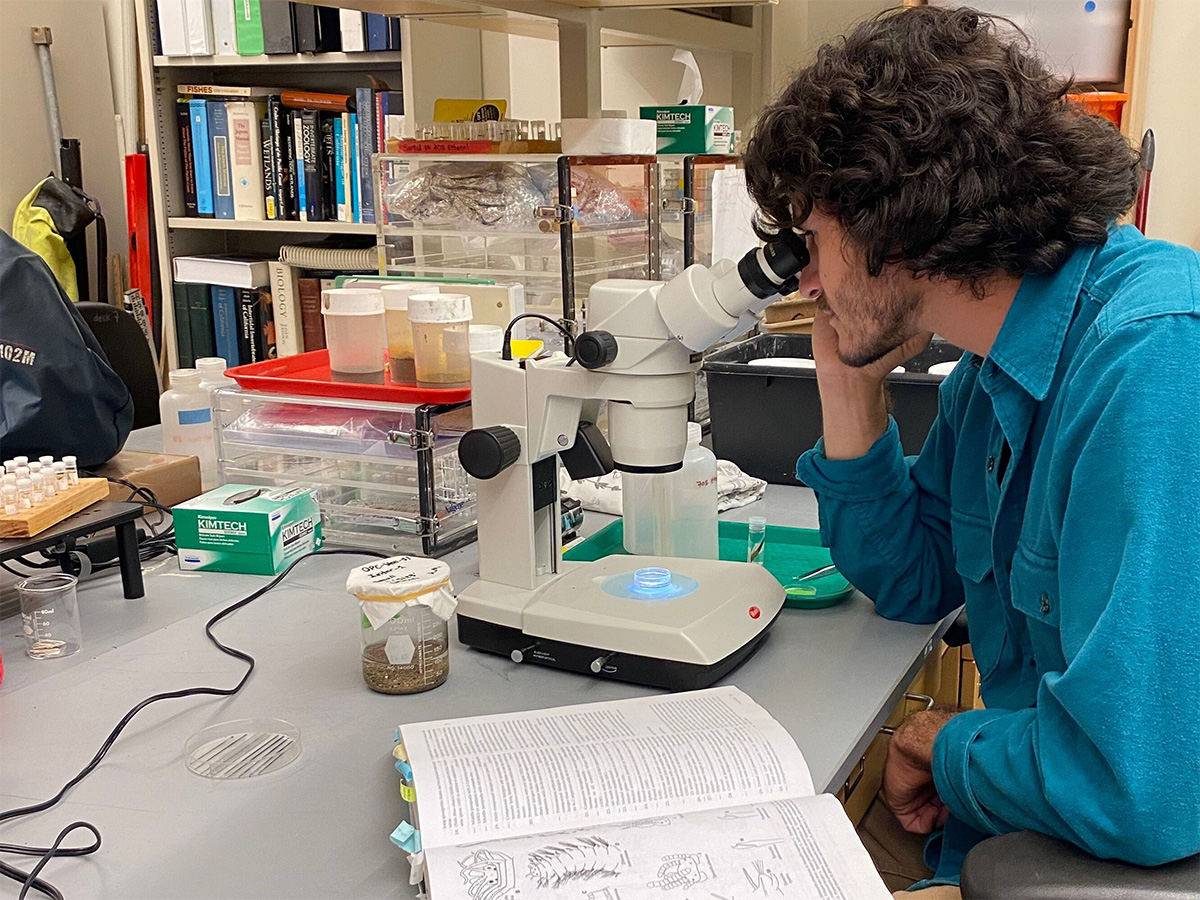
Former graduate student David Boehmer examining mud samples for small invertebrates.
Image
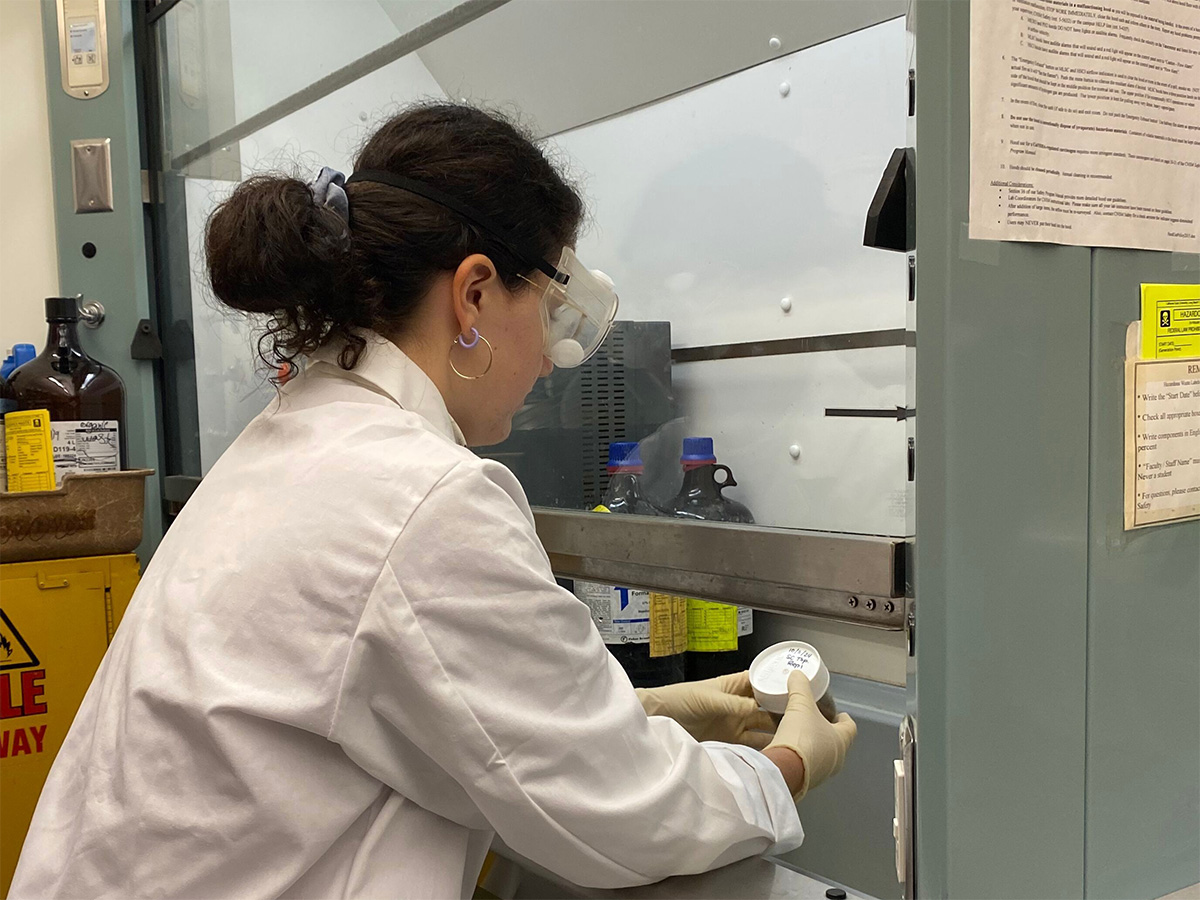
Undergraduate student Megan Warren sieving a mud sample to determine how many invertebrates are present. Small invertebrates are also an indicator of wetland health that we measure twice a year.
Image
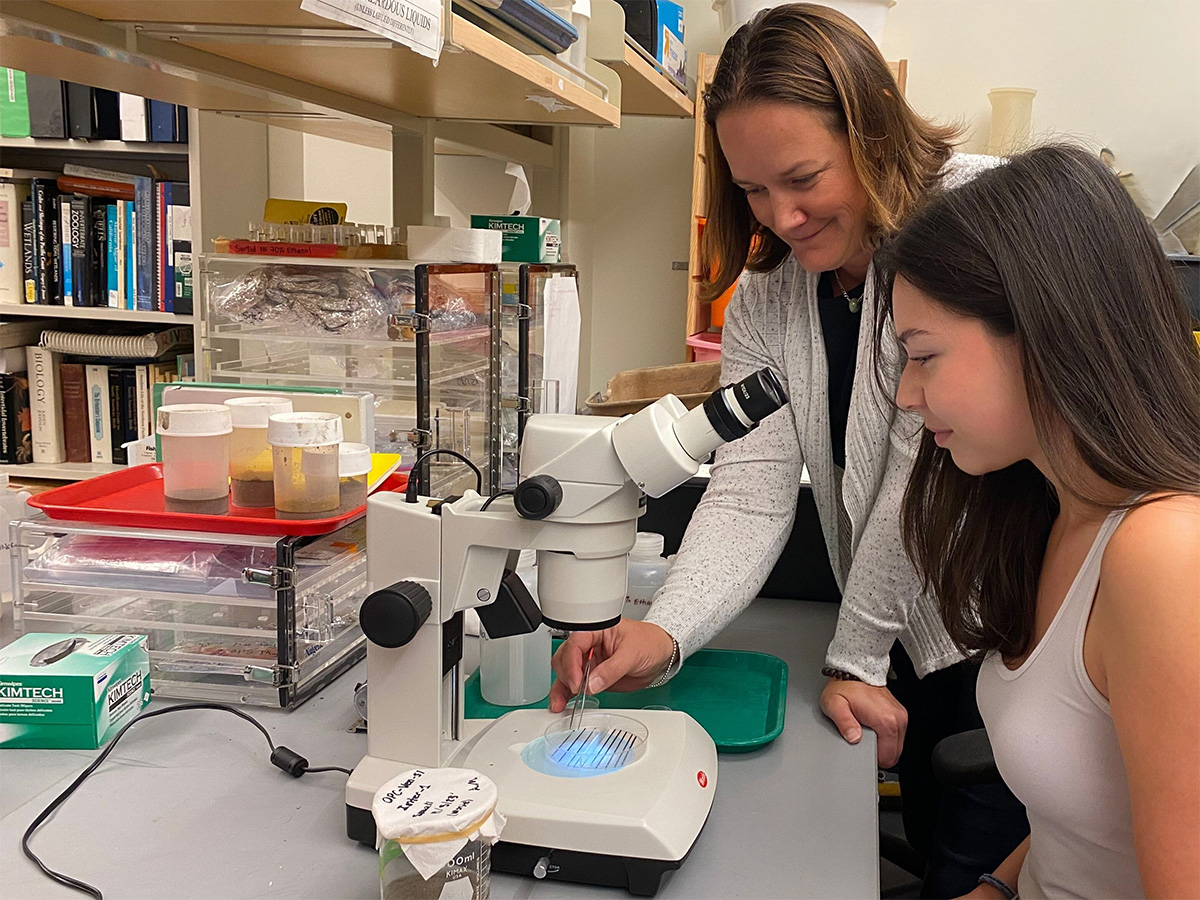
Undergraduate student Melissa Herrmann and Dr. Christine Whitcraft examining a mud sample to determine how many invertebrates are present.
Image
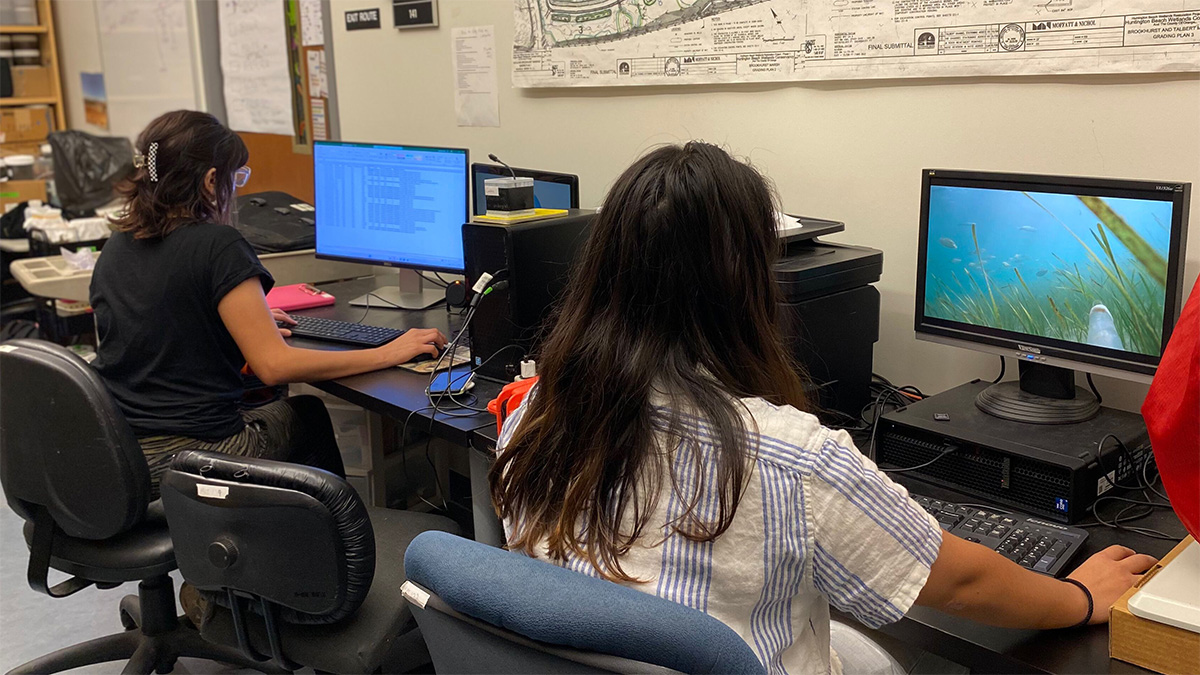
Lab members assess the health of wetlands using underwater videos. They are deployed for two hours and record all of the fish in the area, then students watch them in the lab to determine which fish species are present.
Image
Lab members assess the health of wetlands using underwater videos. They are deployed for two hours and record all of the fish in the area, then students watch them in the lab to determine which fish species are present.