Our Research
Latest Projects
General our research is focused on understanding how human activities impact the structure and functioning of brackish and coastal wetlands.
Monitoring Framework for Estuarine Marine Protected Areas (EMPAs)
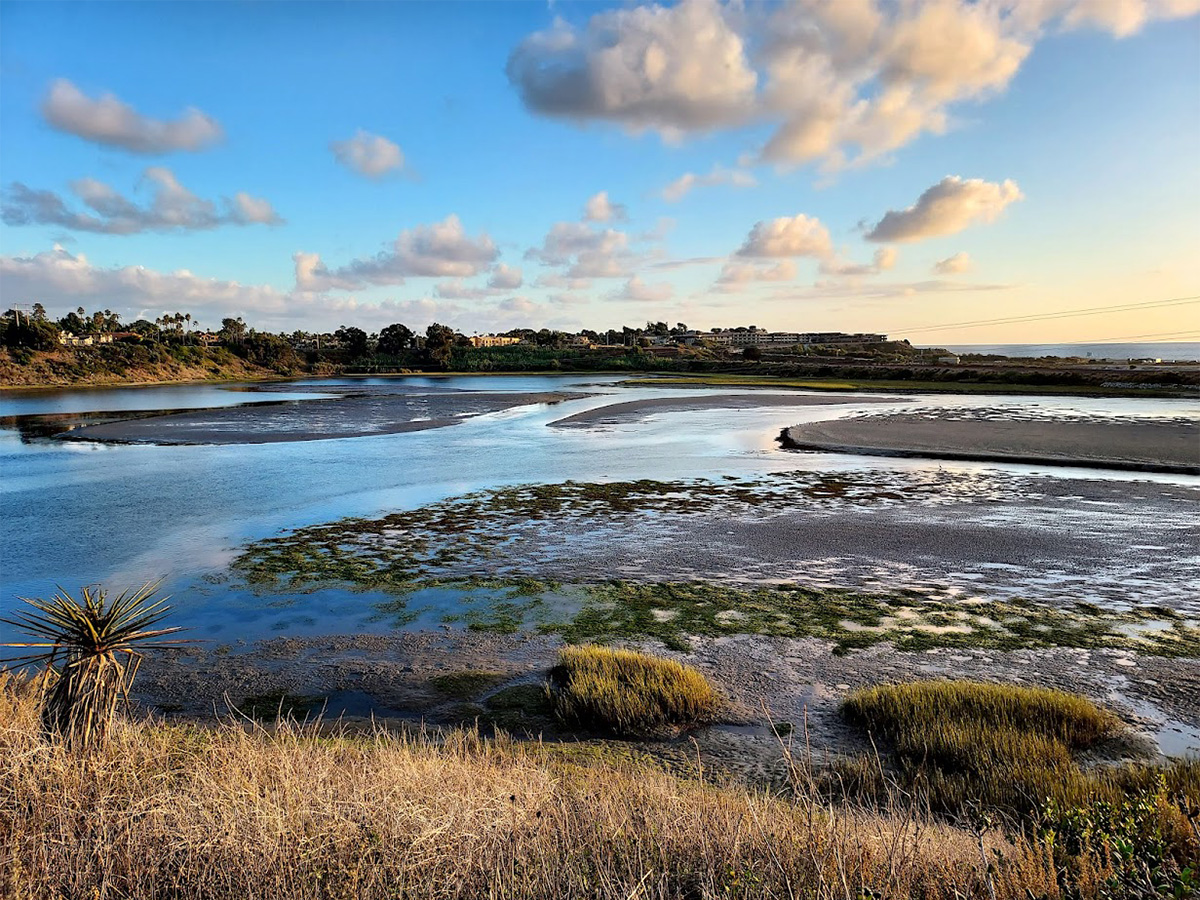
Protecting our valuable estuarine habitats is a key priority for coastal regions. Yet, we often lack a unified framework for exactly how to monitor the condition of these systems. As part of a collaborative team, we have been monitoring southern CA wetlands for a variety of parameters (plants, invertebrates, fish, abiotic conditions) to determine estuarine condition and design solutions for increased coastal resilience. For more information, please see: California Estuary Marine Protected Area (EMPA) Monitoring Program.
Fish and Bird Use of Urban Wetlands
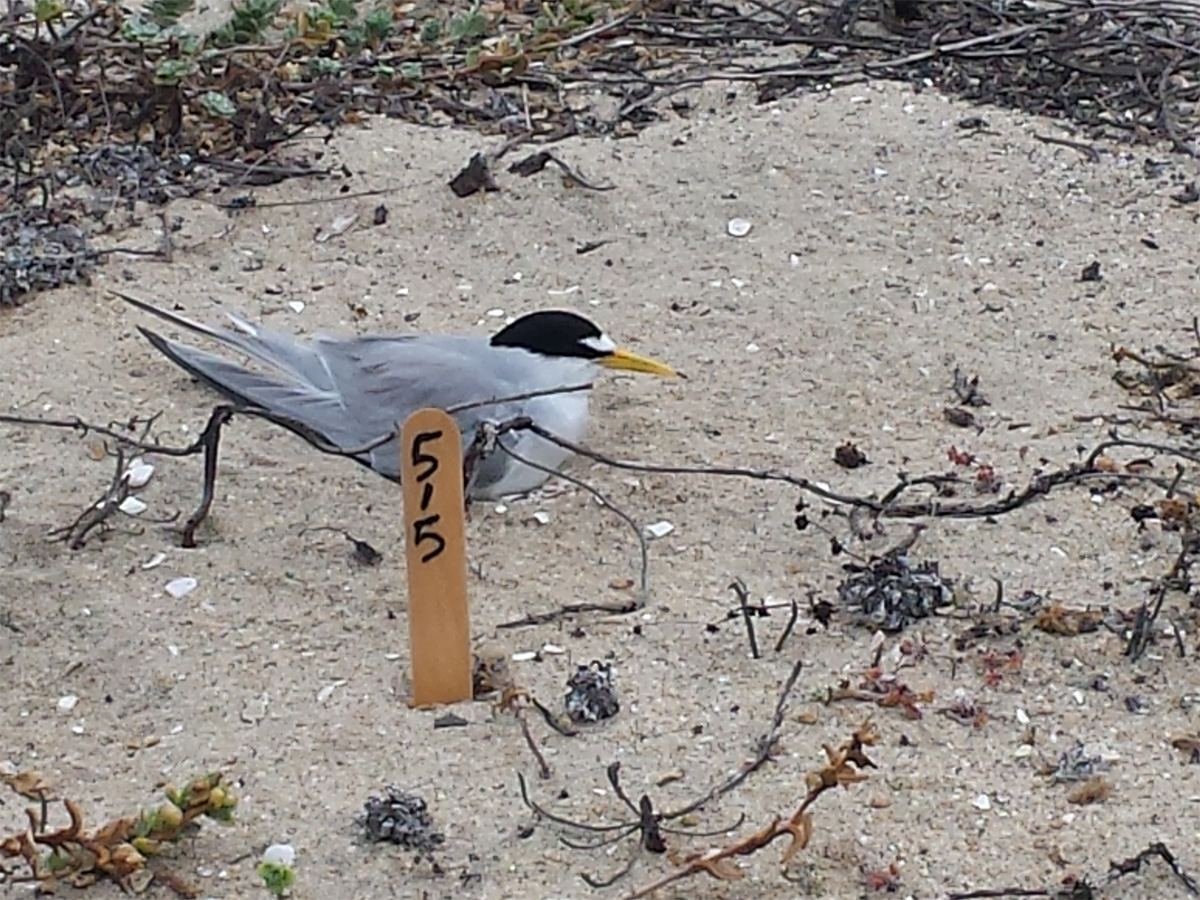
Development around coastal wetlands often leads to changes in nursery and foraging functions. We have several projects looking at fish use using acoustic and PIT tagging and evaluating bird nesting success and bird use relative to urban stressors.
Evaluating and Designing for Coastal Resilience
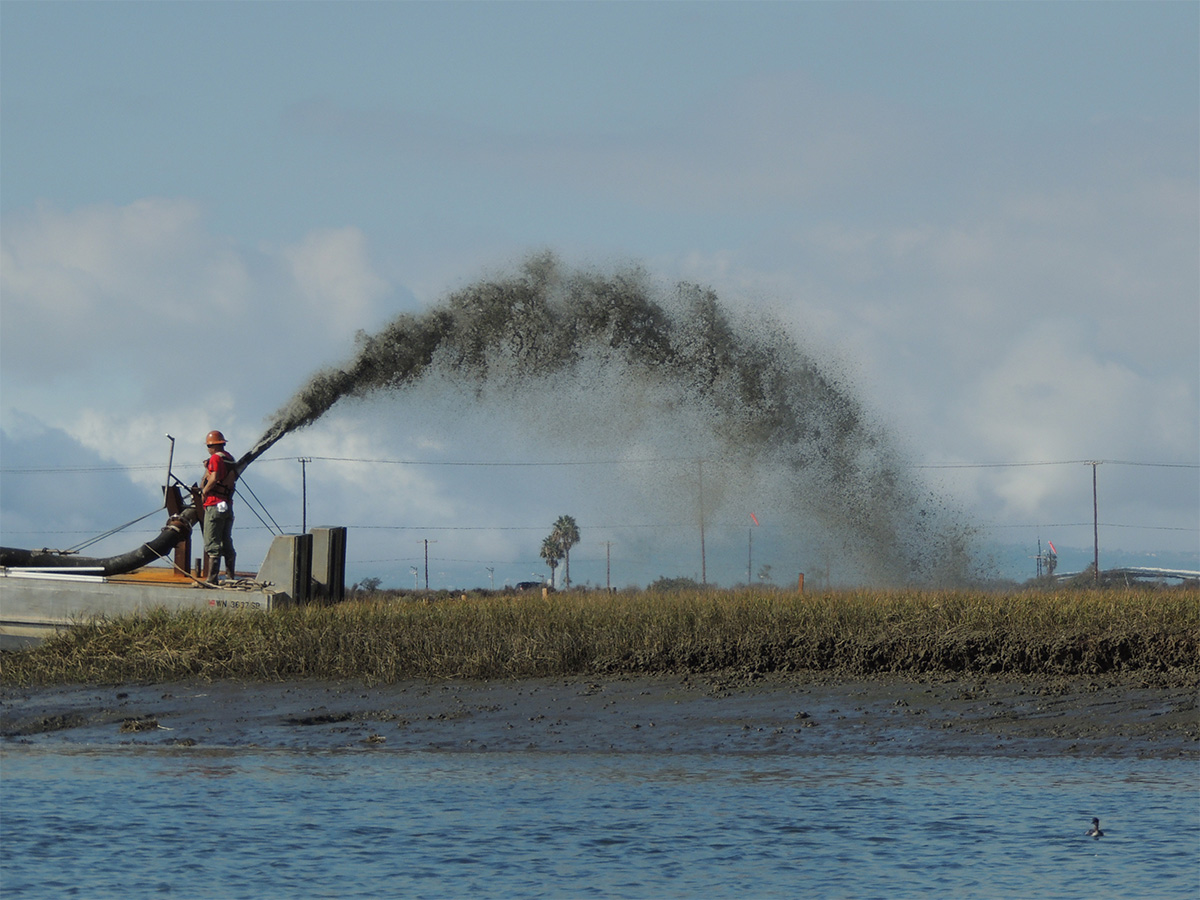
Sea level rise (SLR) threatens many of our coastal wetlands. One strategy to deal with SLR is thin layer sediment augmentation. As part of a team, we are monitoring the impacts of augmentation at the Seal Beach National Wildlife Refuge.
Evaluating Restoration Trajectory
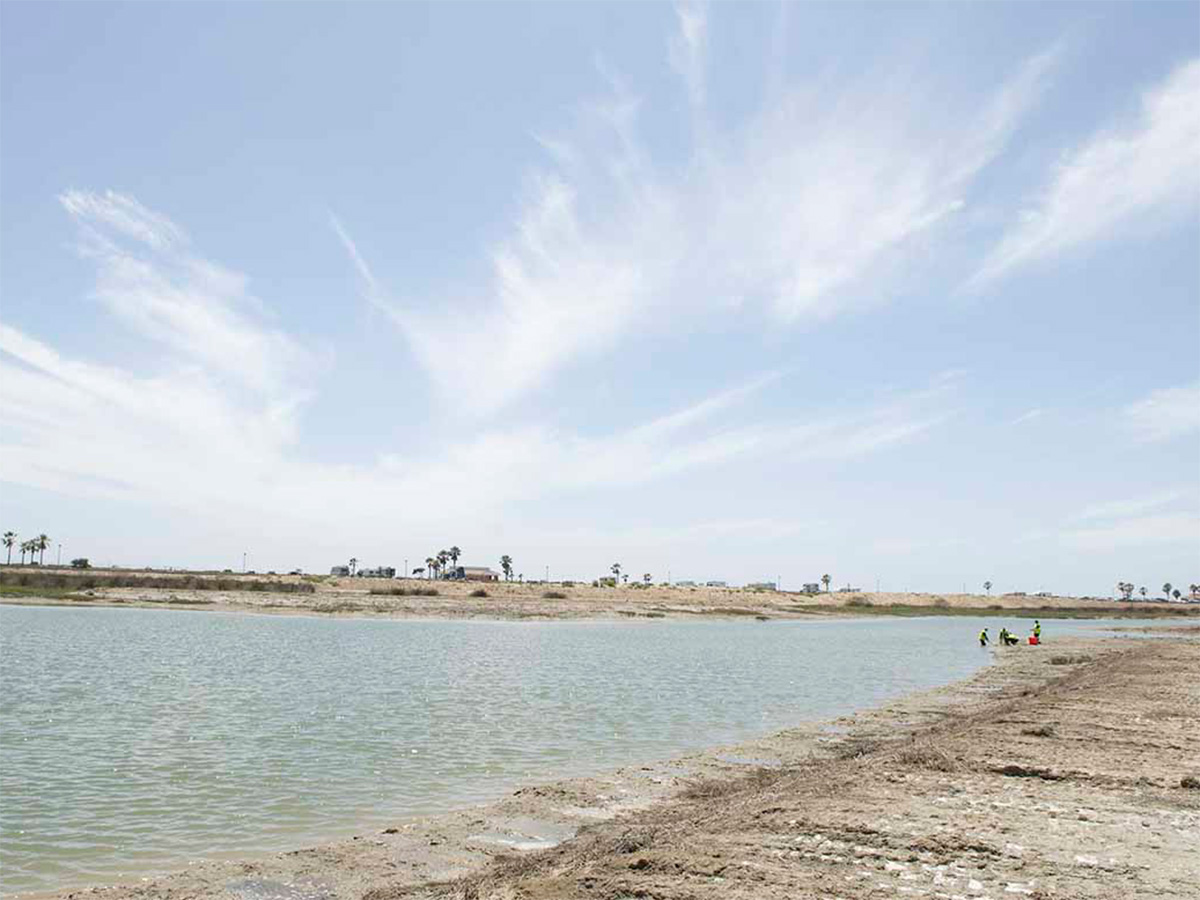
A significant portion of CA wetlands have been lost or degraded due to human activities. One strategy for dealing with this loss is restoration. A focus of our lab is to evaluate best restoration techniques, metrics, analytical techniques and functional equivalence:
Impacts of Non-native Plants and Animals
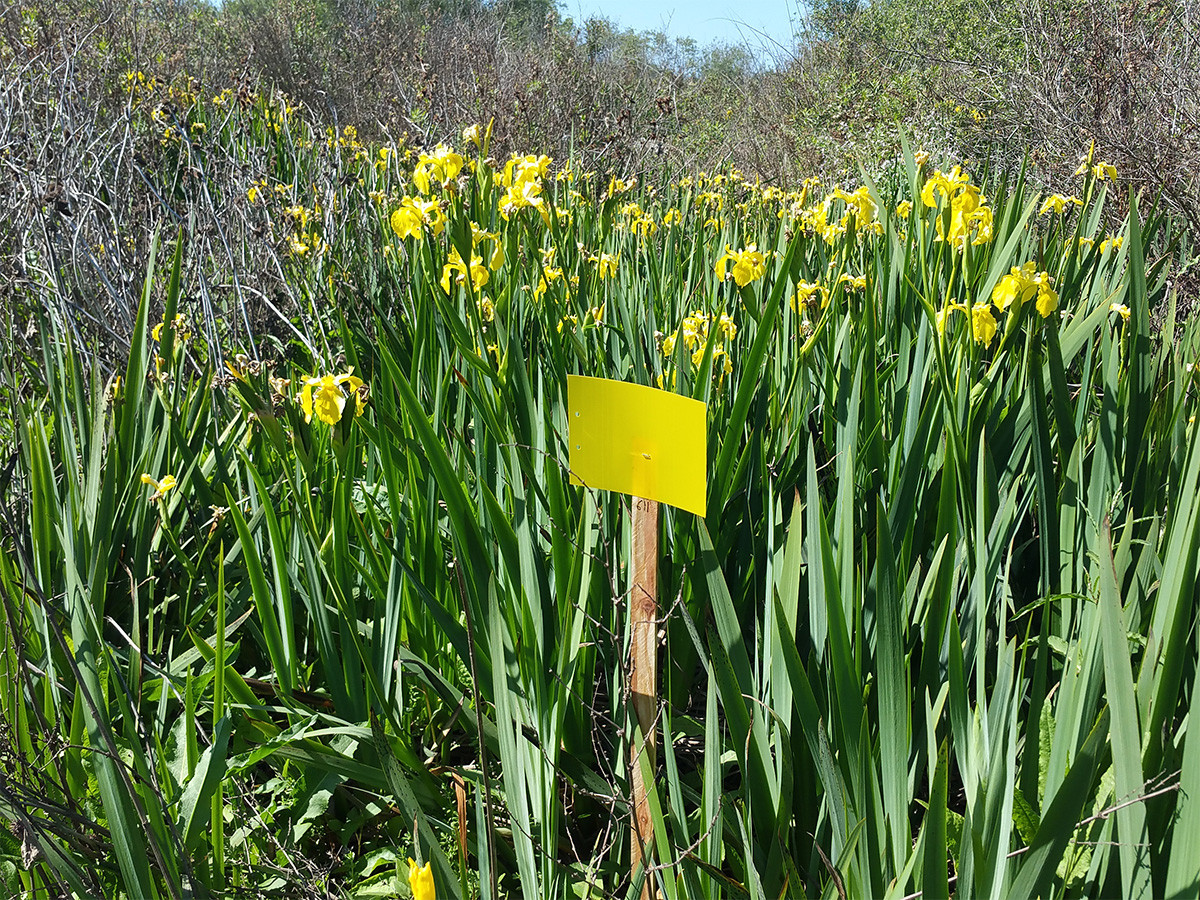
Non-native species are moved around the world by human activities and once established often have negative impacts of local ecosystems (invasive species). Among many species, we are evaluating the impacts of tamarisk, perennial pepperweed, yellow flag iris, marsh lavender, and burrowing isopods.
Impacts of Sea Level Rise (SLR) and Climate Change
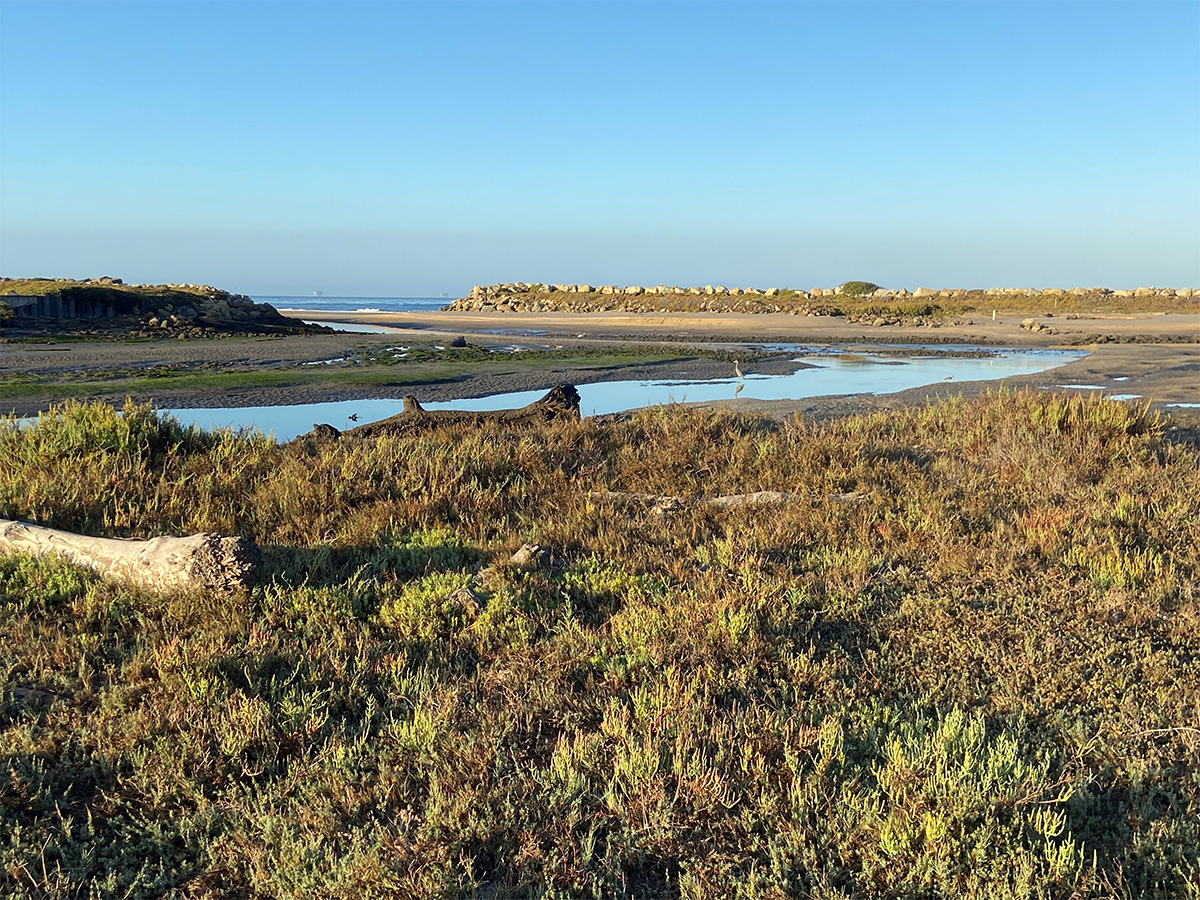
SLR and climate change (increasing temperature, altered precipitation) are predicted to have dramatic impacts on coastal ecosystems. We have conducted several manipulative experiments quantifying the impacts to structure and function of decomposer communities and decomposition rates.
Restoration of Oysters, Cordgrass, and Eelgrass
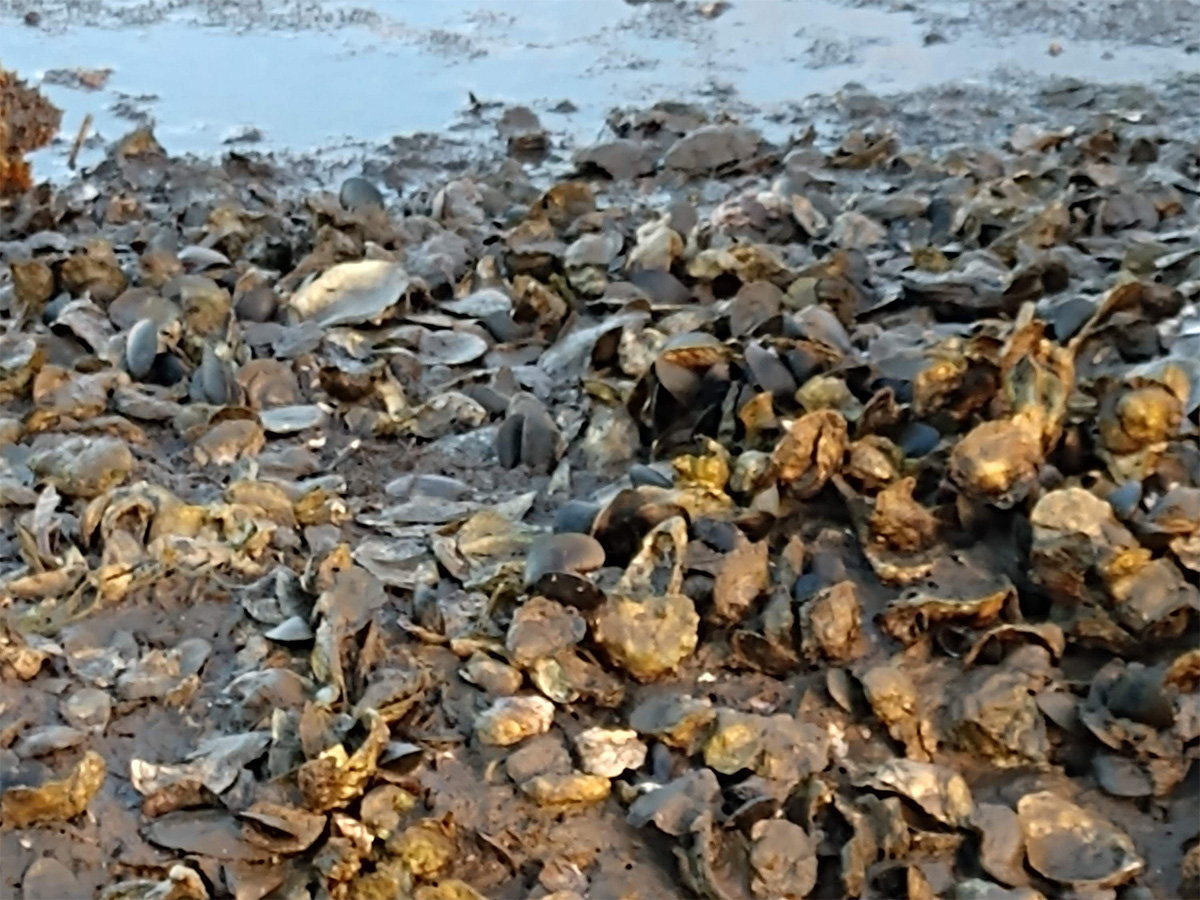
Native Olympia oysters were historically present in southern California, but their numbers dropped due to habitat loss and exploitation. With CSU Fullerton's Zacherel Lab and Orange County Coastkeeper, we are evaluating restoration techniques to restore native oysters in conjunction with restoring eelgrass and/or cordgrass habitat.