BEACONS Grant Awardees Announced
Three faculty members have been selected to receive the inaugural BEACONS mini‑grants, a new initiative designed to expand sustainability-focused research and creative activity across disciplines. Launched by the President’s Commission on Sustainability in partnership with the Leadership Fellows Program, BEACONS—Beach Environmental Action for Climate, Our Neighbors & Sustainability—provides targeted funding and structured support for Research, Scholarship, and Creative Activities (RSCA) addressing climate change, environmental justice, and sustainability challenges. The program also emphasizes faculty‑student collaboration, helping students gain hands-on research experience while contributing to meaningful, community-centered solutions.
The selected projects reflect the interdisciplinary scope BEACONS aims to foster.

Dr. Jonathan Pando Ocón, Assistant Professor in the Geography Department, will lead “Native Oaks at Risk: Student-Led Remote Sensing for Climate Resilience and Goldspotted Oak Borer Monitoring in Southern California.”
His project develops a student-supported workflow to assess the health of native oak trees using remote sensing, geospatial analysis, and field observations. Native oaks are critical to Southern California ecosystems but face mounting threats from drought, wildfire, and invasive pests like the Goldspotted Oak Borer. By integrating high-resolution imagery, LiDAR data, and on-the-ground observations, the project will identify areas of oak stress that merit further monitoring. Students will play a central role, gaining experience in GIS, ecological fieldwork, and data analysis while producing maps and technical outputs that support climate adaptation and environmental decision-making.
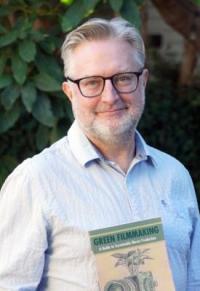
Kent Hayward, Associate Professor in the Cinematic Arts Department, approaches sustainability through creative practice with “Footprint: a film essay on what we leave behind.”
This experimental documentary explores the concept of “footprints” as both literal and metaphorical traces—from fossilized tracks and wildlife trails to carbon emissions and filmmaking waste. Drawing on his research in sustainable filmmaking, Hayward will incorporate low-impact production techniques and environmentally responsible materials. The film aims to raise questions about legacy, truth, and ethical responsibility, while positioning filmmaking itself as a site of sustainable practice. Students will be involved in research, production, and editing, gaining practical experience alongside critical insight into environmental storytelling and media ethics.
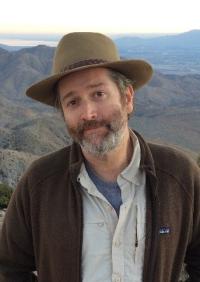
Dr. Brett Mizelle, Professor in the History and American Studies Departments, examines sustainability through environmental history in “‘Rodents of unusual size’: Nutria, consumerism, and animal agency in the ecological and cultural transformation of wetlands in California and Louisiana.”
His project traces the introduction of nutria – a large, semi-aquatic rodent native to South America--to the United States for the fur industry and their subsequent emergence as an invasive species that has severely damaged wetland ecosystems. Mizelle explores how human attitudes toward nutria have shifted over time, analyzing efforts to market them as “ethical fur” or even as food, alongside management challenges and cultural representations. By situating nutria within broader questions of consumer culture, animal agency, and ecological change, the project sheds light on how environmental values and practices evolve in the Anthropocene.
Together, these projects embody BEACONS’ mission to lower barriers to sustainability research, spark interdisciplinary collaboration, and expand opportunities for student engagement. By supporting work that ranges from environmental monitoring and climate resilience to creative inquiry and historical analysis, the program strengthens CSULB’s commitment to addressing urgent environmental challenges while cultivating the next generation of sustainability scholoars, researchers, and creatives.