Legacy
In the years following World War II, Long Beach didn't just grow — it accelerated. Aircraft plants expanded, new technologies took shape, and the region quickly became a hub for aerospace innovation.
That hub needed engineers. And just blocks away, a young institution was preparing to meet that demand.
“After World War II, Los Angeles and Long Beach were booming aerospace areas," explained Computer Engineering & Computer Science Professor Tracy Bradley Maples. "The call went out from aerospace agencies that they needed more employees, they needed skilled employees, they needed educated employees. That’s when the space race began — and the college started at the same time.”

The "college" she's referring to is CSULB’s Hung Family College of Engineering, which was established in 1957 — the same year Sputnik, the first Earth satellite, went into orbit. The industrial network between the City of Long Beach, CSULB and countless area businesses was taking shape.
By the time astronaut Neil Armstrong took the first step on the moon, the university was producing mechanical, electrical and civil engineers who would go on to work in local aerospace and technical industries.
As the department expanded its degree programs, industry leaders became increasingly involved with the college and its curricula. Employees from Hughes Aircraft — the aerospace company Howard Hughes established in 1932 — were among the college's first faculty members, and a group of nine senior executives from local aerospace companies formed the original Dean’s Advisory Council.
Over the years, the college supported affinity groups such as the Society of Women Engineers, the National Society of Black Engineers, and the American Institute of Aeronautics and Astronautics.
The college later added degrees in computer engineering and computer science and, in 1987, launched the Mechanical and Aerospace Engineering Department. By that time, the college had become the largest engineering school west of Texas.
Its growth mirrored the expansion of aerospace ventures across the region, where open landscapes supported aircraft hangars and production lines; proximity to Long Beach Airport and Edwards Air Force Base near Lancaster provided global reach; and a highly skilled workforce emerged within the local community.
The symbiotic partnership known as Space Beach has endured for nearly 70 years — from the early days of commercial aviation to modern space initiatives. And its legacy continues a new generation of aerospace and commercial space companies builds on the region’s long tradition of innovation and engineering talent.
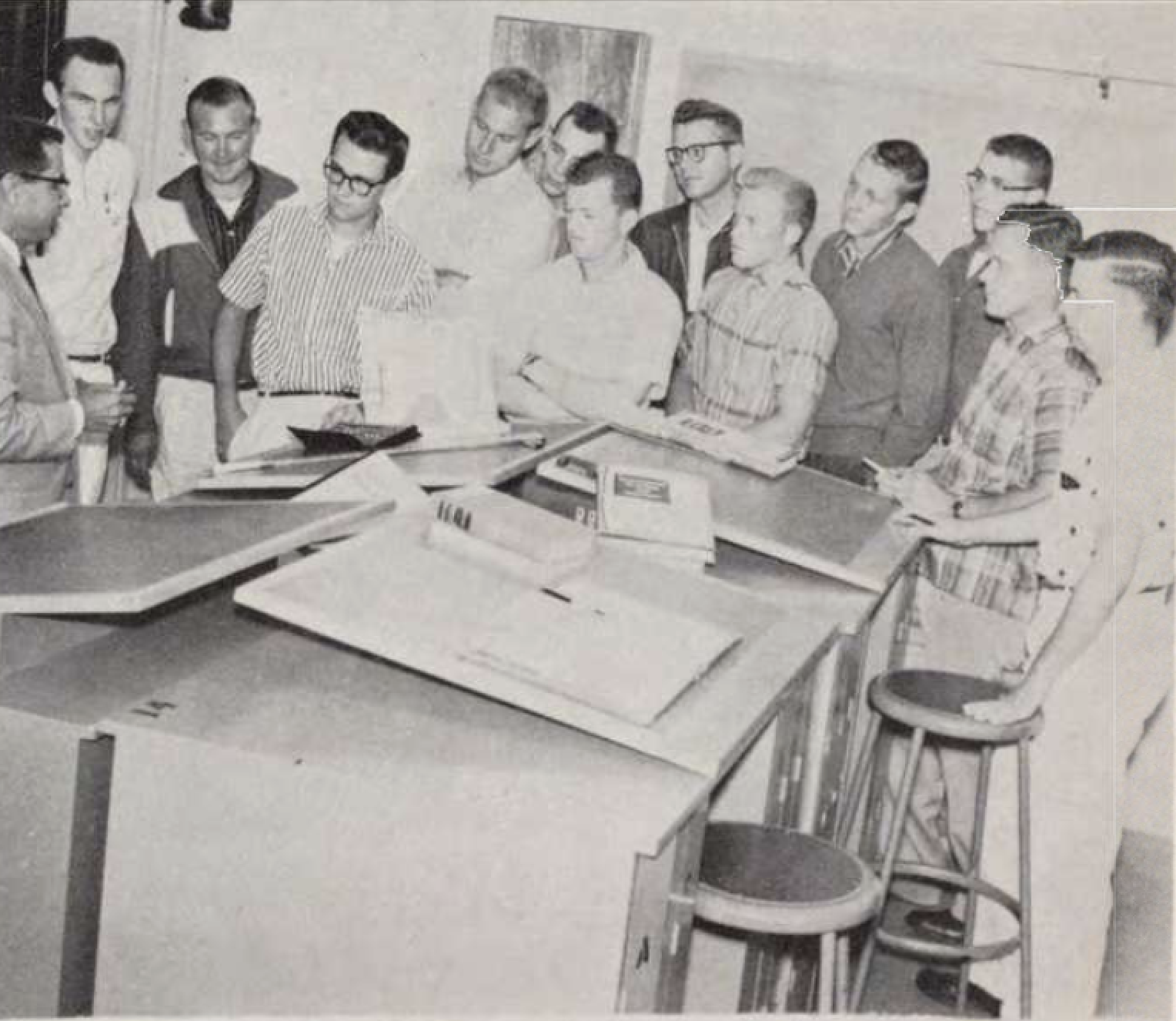
1957: The First class
The first official class of the newly created Engineering Department begins.
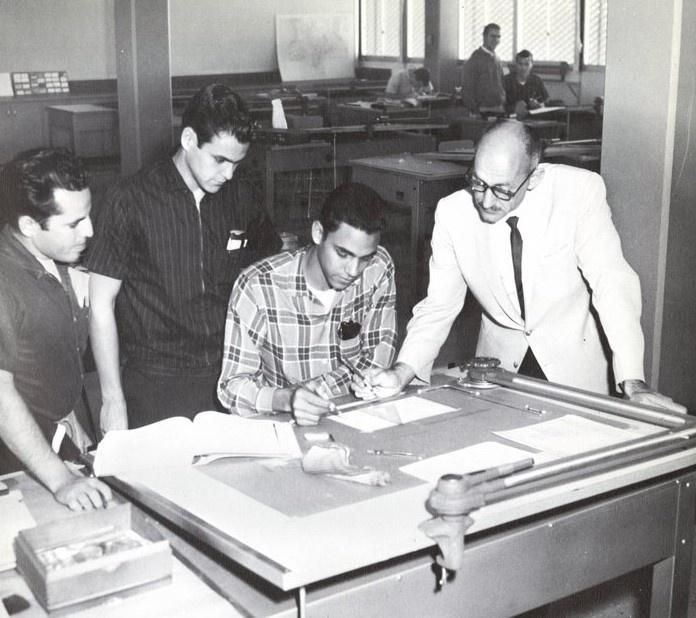
1962: Engineering Drafting
Professor Lawrence Kundis assists students with mechanical engineering problems.
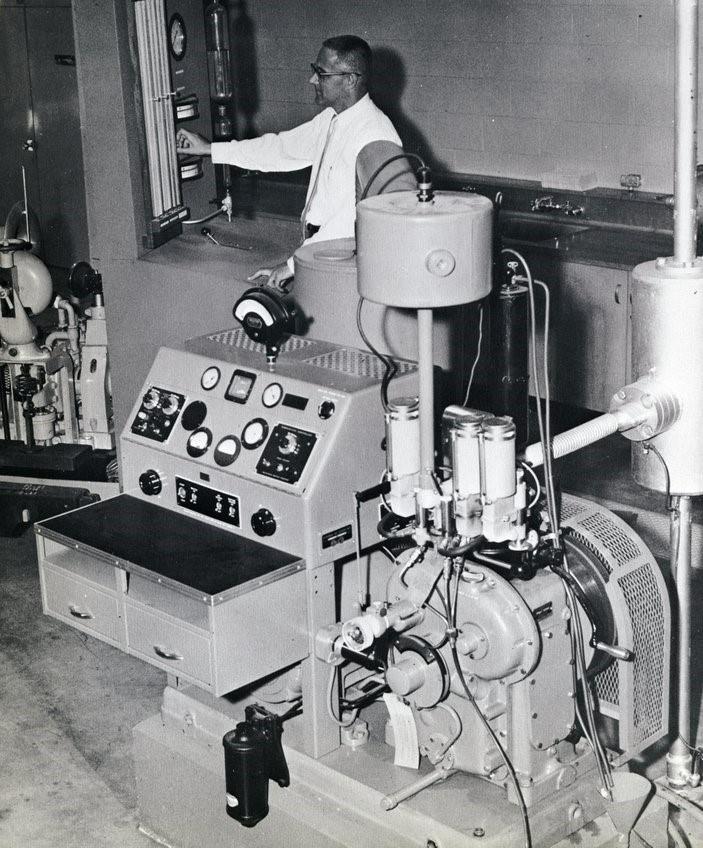
1964: Octane Testing
Assistant Professor Hans VanderMeyden prepares the panel board of the octane testing machine.
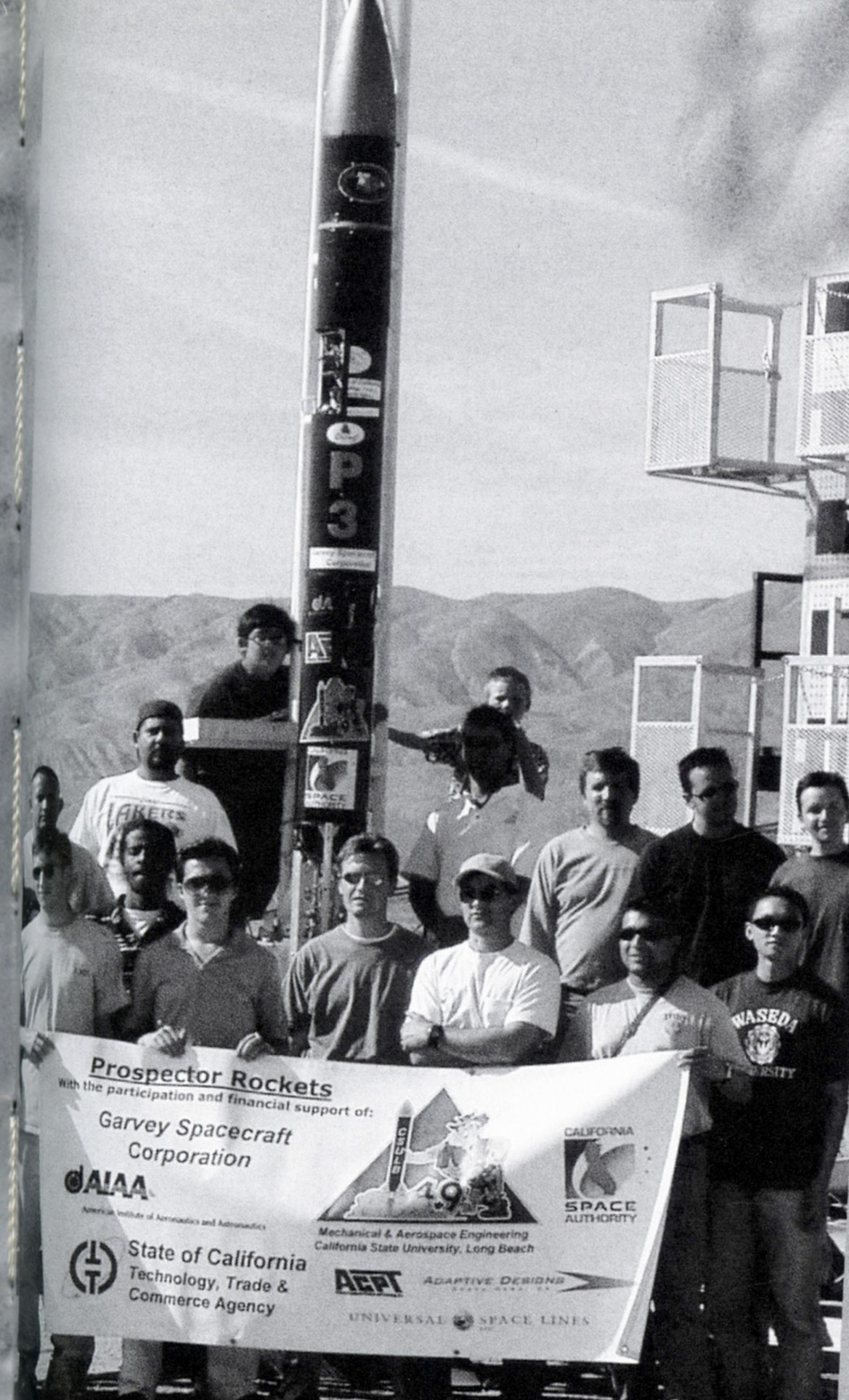
2004: Prospector Rockets
CSULB's first Rocketry Team poses during a launch in the Mojave Desert.
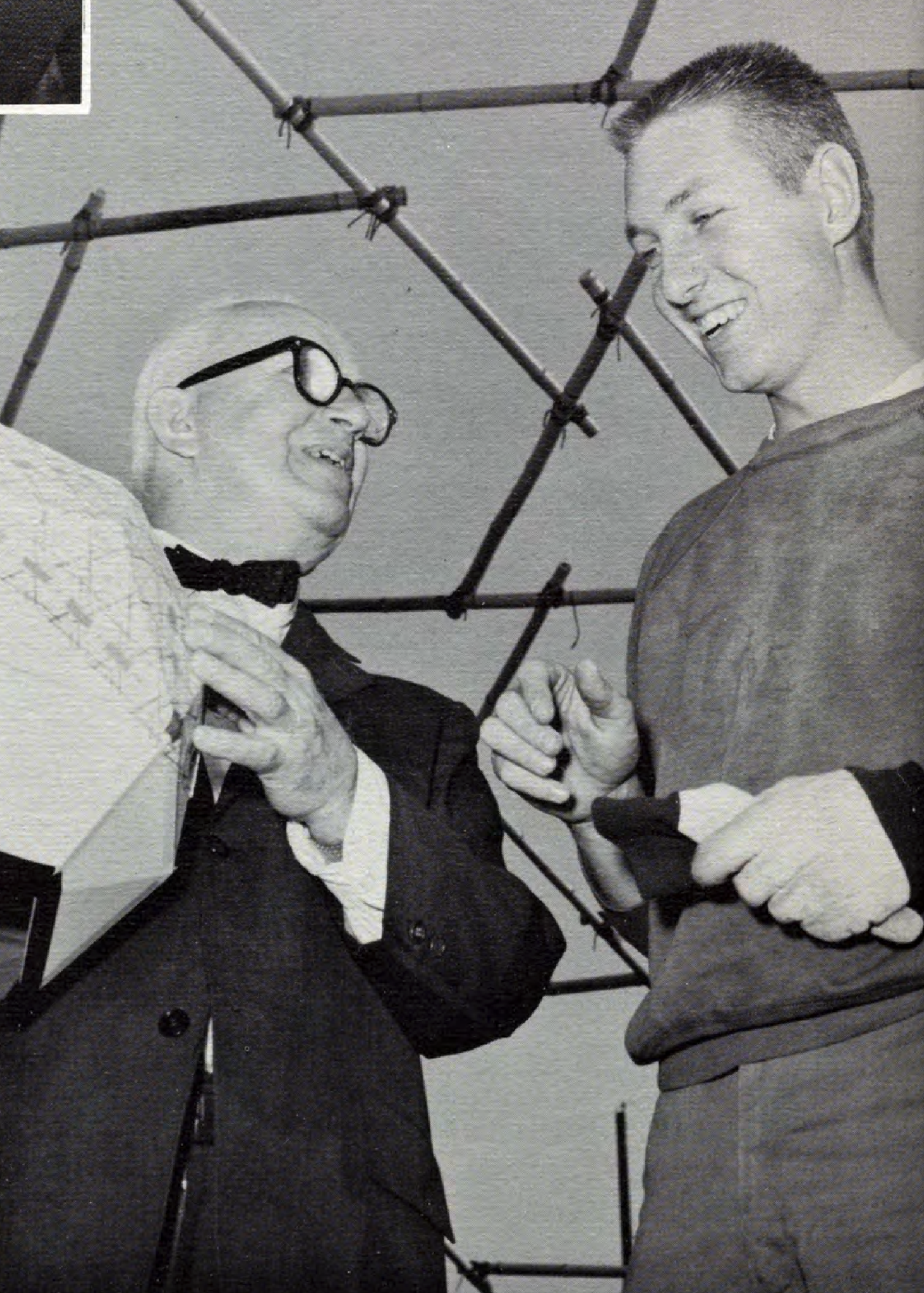
1961: Exciting Visitors
Geodesic dome inventor R. Buckminster Fuller guides a civil engineering student in building a bamboo dome.
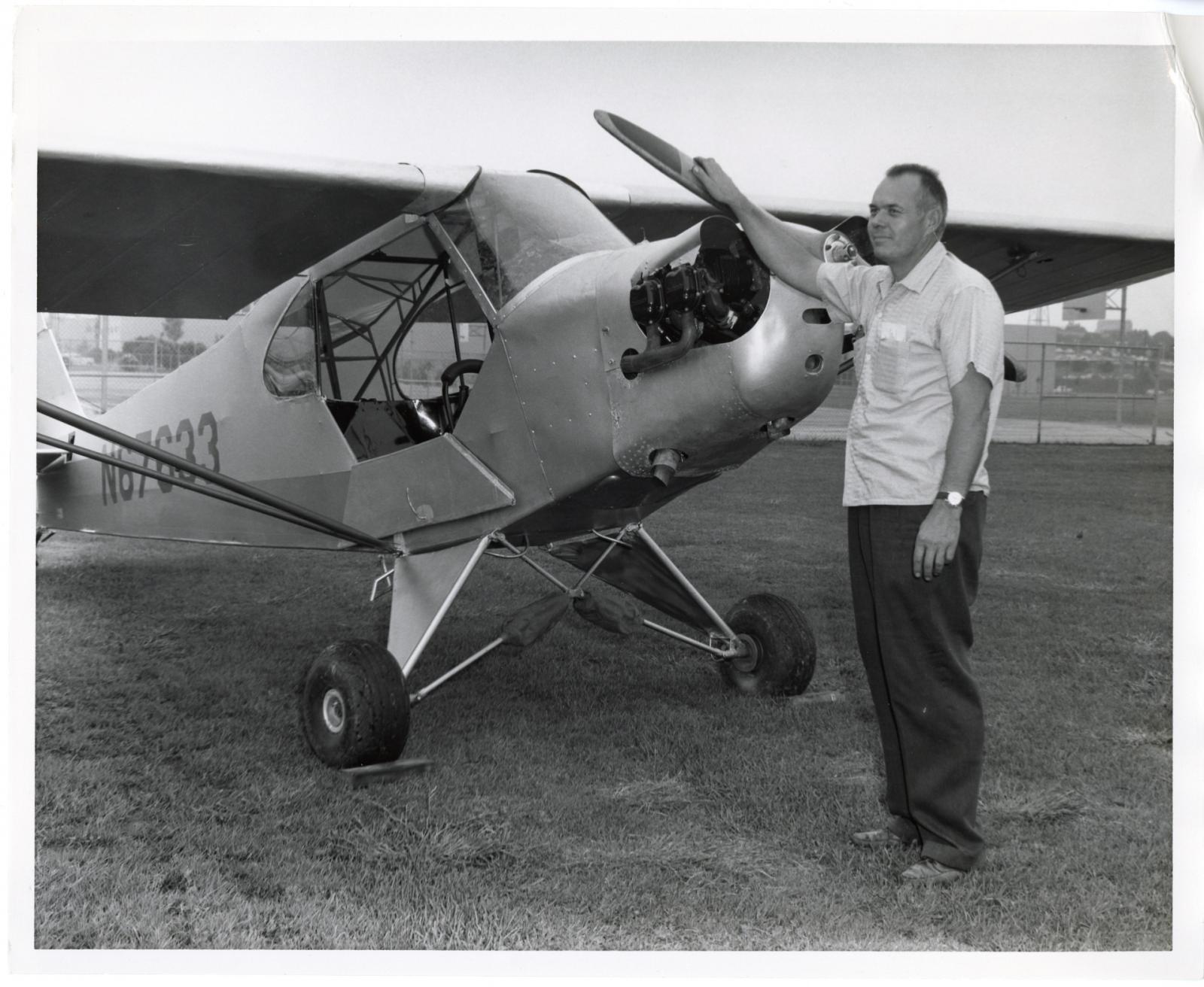
1963: The Aerospace Workshop
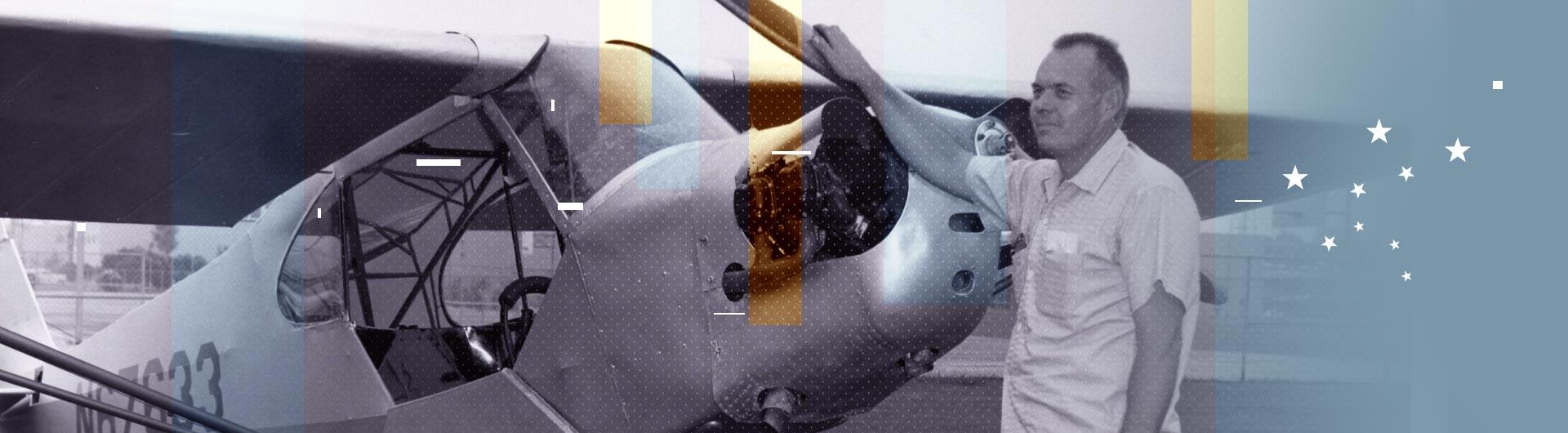
C. Thomas Dean, dean of the School of Applied Arts and Sciences, inspects a single-engine airplane.
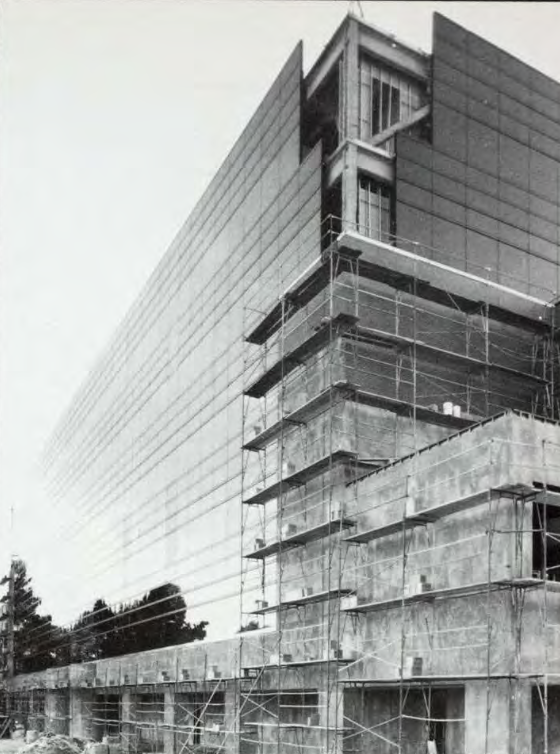
1988: A New Look
A year after the Aerospace Engineering Department was established in 1987, a new engineering building was constructed on campus.
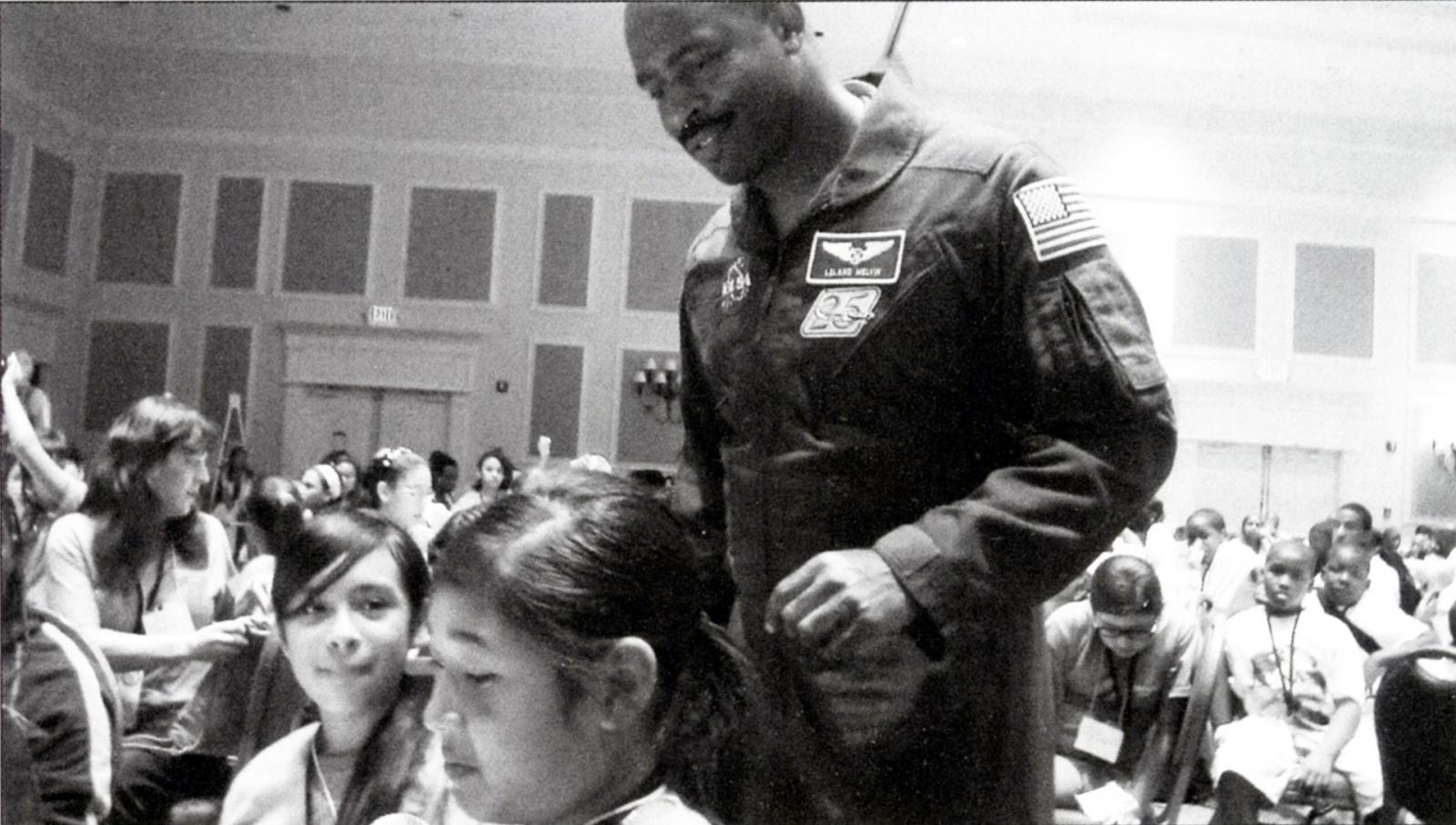
2010: Women in Engineering
A NASA supervisor oversees the agency's Learning Experience for elementary school girls