The Origins and Impact of Women’s History Month
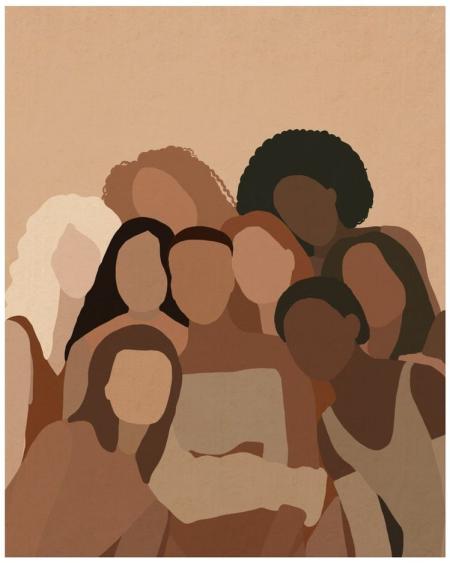
March is the month we celebrate women. It is a time dedicated to honoring the beauty, brilliance, and strength of women everywhere. Women are multifaceted, talented, independent, capable, and so much more than words can fully express. This month shines a spotlight on the impact women have had, and continue to have, on the world. However, there is one question to review, how did Women’s History Month begin?
Women’s History Month started as Women’s History Week in 1978. This week was created to celebrate women’s contributions to society, especially their historical achievements, many of which were not taught in school curriculum at the time. Women’s History Week began in Sonoma, California, where the school district recognized this gap and initiated change with school presentations, essay contests, and even a parade.
The influence of Sonoma’s celebration quickly spread inspiring school districts across the country. Its momentum eventually reached the attention of President Jimmy Carter. In 1980, he proclaimed the week of March 8th as National Women’s History Week. It was a major milestone, but naturally, the desire to extend the celebration beyond just a week followed.
Six years later, the National Women’s History Project petitioned Congress to expand its celebration. Their efforts succeeded, and Women’s History Week became Women’s History Month. Now, countries around the world honor women’s achievements throughout the entire month of March.
What began as a local school district movement has become a global moment of recognition. This shift matters because history often focuses heavily on men shaping the world, yet women have played, and continue to play, an enormous role in transforming society. Women’s History Month shows young girls that women are leaders, innovators, and change-makers. So, the next time someone says, “You’re just a girl,” they can confidently know that being a girl means strength, resilience, and untapped potential. This month highlights the accomplishments of all women, regardless of race, class, or nationality.
Now that you understand the origins of Women’s History Month, use this time to learn about the many women who have contributed to our world. And remember, you don’t have to only celebrate famous women in history. If you identify as a woman, celebrate yourself, too. Being a woman, in any shape or form, is an accomplishment.
You can also honor women by supporting women-owned businesses, organizations, fundraisers, and shelters. Take this month. and every month, to show love, appreciation, and support to the women around you.