The History of Black History Month
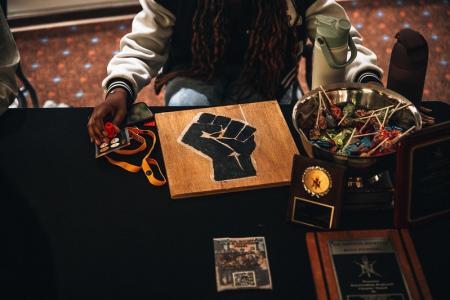
When February comes around, there’s a familiar sense of excitement and anticipation. February is Black History Month, a time when we honor the Black figures, movements, and milestones that helped shape a more equitable world for African Americans. Despite the celebrations, many people don’t know where Black History Month originated. When most people think of Black History Month, the first images that come to mind are soul food, dancing, and influential leaders like Dr. Martin Luther King Jr. But there is a deeper story behind this month and its impact.
At the foundation of Black History Month stands Carter G. Woodson. Woodson is known for traveling throughout the country and observing exhibits that highlighted the challenges Black people faced and overcame. After seeing how many people were drawn to these displays, he, along with supporters, formed the “Study of Negro Life and History.” Together, they established “Negro History Week,” which began in early February 1926.
One question that often arises is: Why February? Woodson chose the month intentionally. He drew inspiration from Abraham Lincoln, whose birthday is in early February. Woodson held Lincoln in high regard because of the Emancipation Proclamation, which declared enslaved people in Confederate states to be free. He also looked to Frederick Douglass, an esteemed African American abolitionist and orator, who also celebrated his birthday in February. Over time, “Negro History Week” became increasingly popular in schools, as teachers used the week to spotlight the historical achievements and contributions of African Americans.
But how did a single week evolve into a full month of celebration? The civil rights movement, which occurred between 1954-1968, played a key role in expanding the recognition of Black history. The growing momentum and demand for more comprehensive acknowledgment helped transform the week into a month-long observance. In 1976, under President Gerald Ford, Black History Month was officially established. Its visibility and importance grew significantly at the start of the 21st century, with schools, universities, and museums across the world participating in the celebration.
So now, when people enjoy soul food, cultural music, traditional dances, or discuss influential Black figures throughout February, they can also understand the origins behind these celebrations. Although Woodson helped secure a dedicated month for honoring Black history, it is essential that we uplift and value Black culture and their contributions throughout the entire year. Let this month be an invitation to fully immerse yourself in Black excellence, whether that means savoring delicious soul food or losing yourself in the rhythm of Black cultural music.