Meet first-gen Beach undergrads building the research skills to pursue doctorates
Evelin Zavala, after researching how autism is represented in scientific and autobiographical literature, gained understanding of how neurodivergent people experience their lives — and how she wants to become a compassionate clinician.
“It prepared me for the future,” Zavala, a third-year psychology student, said. “If I’m in a therapy session with someone, how can I implement my learning, my research, my findings into that?”
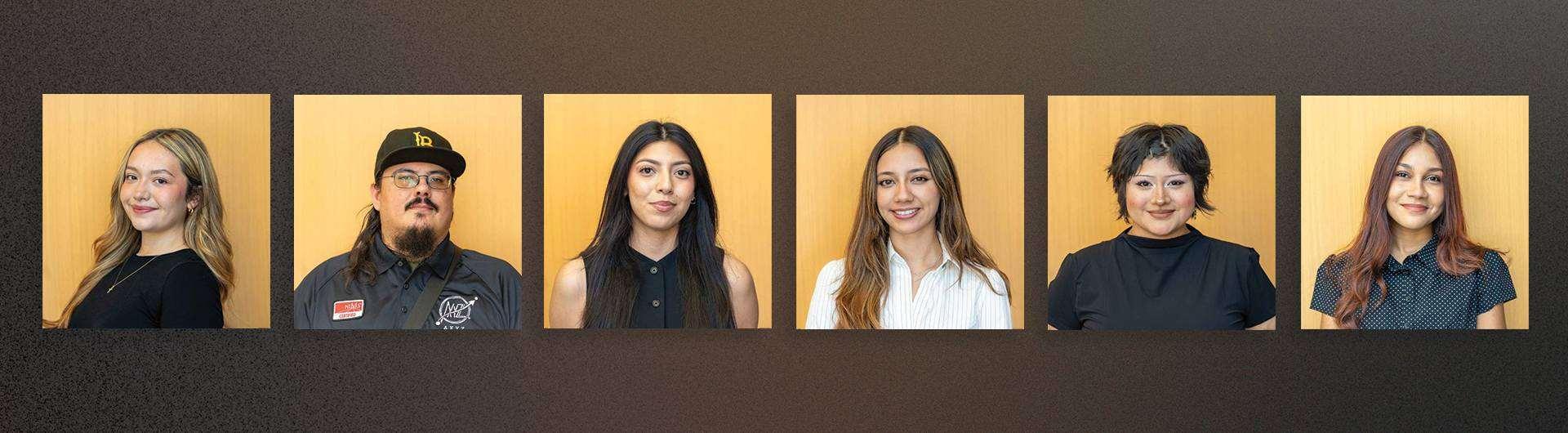
Zavala looks forward to a future as a child psychologist. As one of six Cal State Long Beach undergraduates composing the campus’ new cohort for the McNair Scholars Program, she is preparing for the challenges of her doctoral journey.
McNair, a federally funded program honoring late Challenger astronaut Ronald McNair, welcomes first-generation students who want to pursue doctoral studies. McNair and other programs like Beach EDGE align with CSULB’s commitments to social mobility by guiding students toward graduate degrees and the professional opportunities that follow.
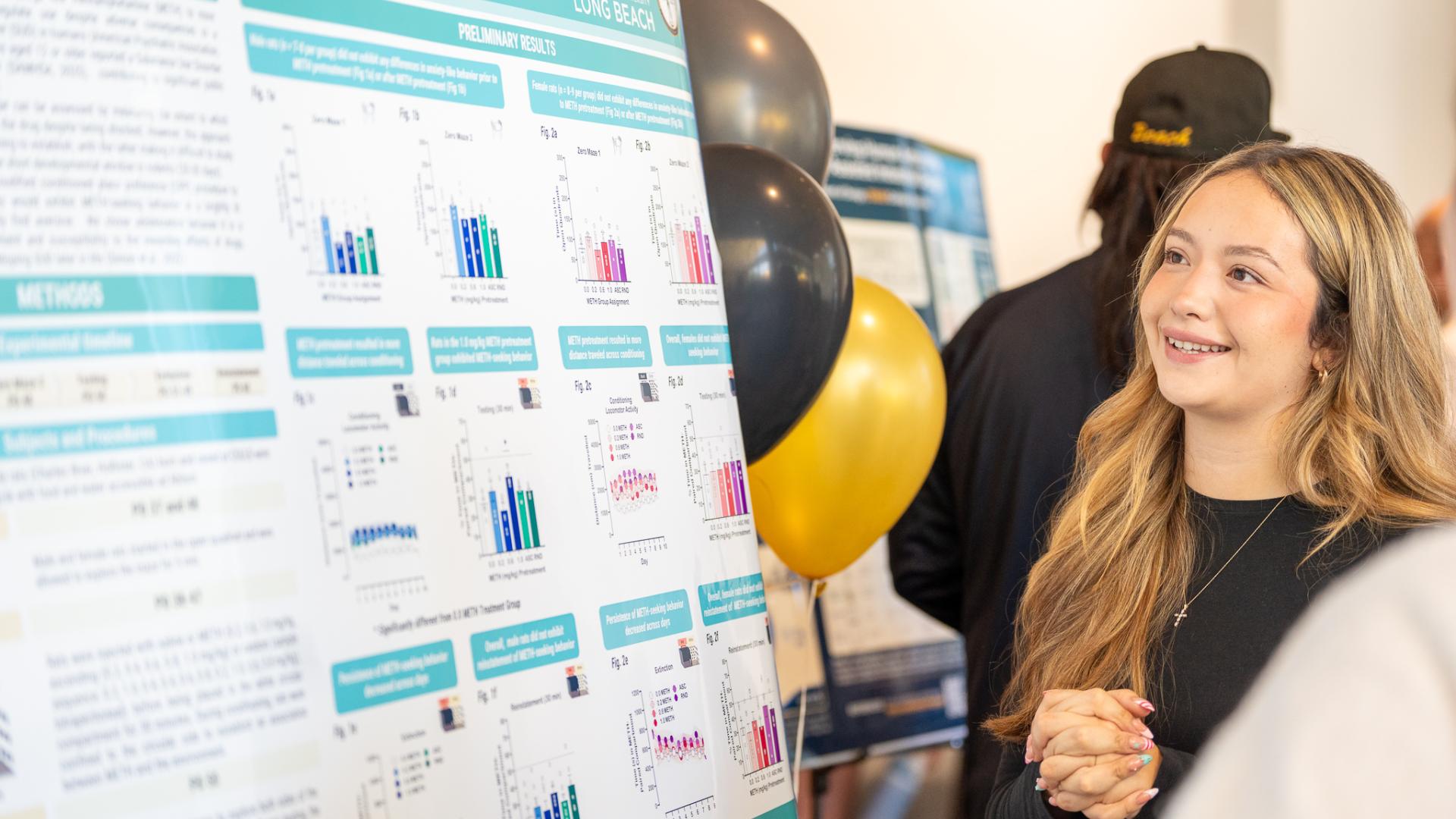
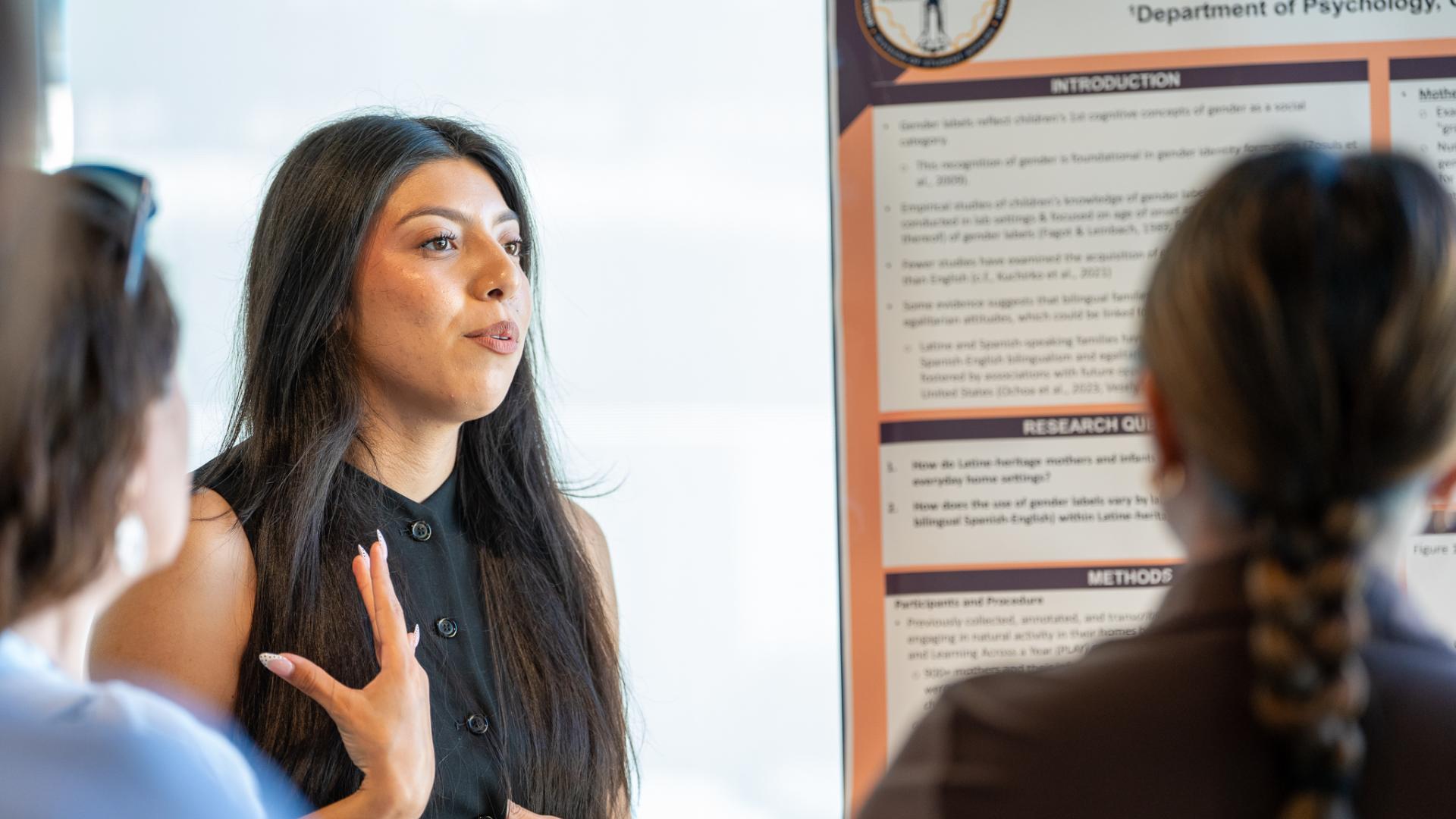
McNair students take on investigations with faculty mentorship, present their findings at CSULB and elsewhere, and get advice for picking the right graduate program. More than 100 Beach students have completed McNair since 2017.
“It helps them to strategize, so they’re as confident and competitive as possible,” said Chantrey J. Murphy, associate professor of sociology and McNair’s faculty coordinator.
Zavala knew when she arrived at The Beach that she wanted to go to graduate school, but as a first-generation student, the way seemed blurry. McNair is helping her chart a course to her goals.
“It helped me, as a person, to take challenges as a student,” she said. "It's an open door to take the opportunity.”
Zavala, with mentorship from associate professor of comparative world literature Crystal Yin Lie, completed a literature review contrasting scientific literature on autism with autobiographical accounts. Zavala observed that people living with autism desire acceptance, thus inspiring her to pursue a future as a clinical psychologist who will embrace her clients’ identities.
Additional McNair students are likewise researching important topics, including how AI is transforming industrial design and testing for a harmful chemical often present in consumer goods.
This is a carousel. Use next and previous buttons to navigate or jump to specific slides with the numbered "go to slide" buttons.


AI meets human ingenuity
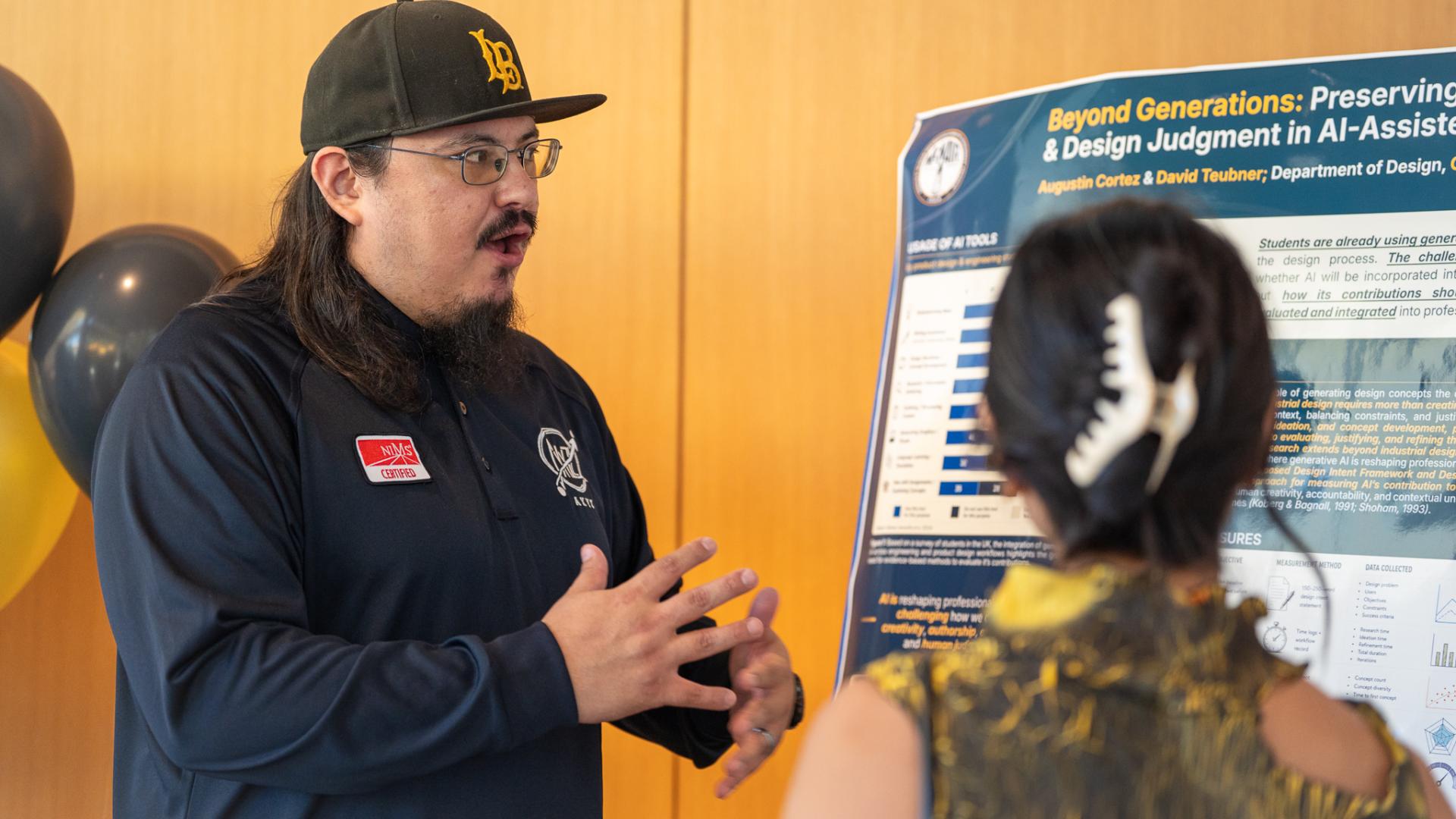
Augustin Cortez is an industrial design transfer student aspiring to develop aerospace equipment that can be employed in zero- and low-gravity environments. With assistant professor of design Dave Teubner as his faculty mentor, Cortez wants to understand how AI is transforming his field.
Cortez’s research compares traditional and AI-assisted design processes to discover whether AI is a help or a hindrance at different stages in the design flow. He views AI as helpful, provided users possess the knowledge to understand their prompts.
“For me, it’s more about reducing the labor and time it takes to gather resources and synthesize intelligence,” he said.
Cortez looks forward to completing a doctorate in informatics, or a similar field. McNair has already bolstered his confidence to pursue high-level research.
“I think it (McNair) was a tremendous help,” he said.
Chemistry for public health
Naomi Terron is a third-year microbiology student minoring in public health. With biological sciences faculty member Yuan Yu (Kent) Lee, Terron focused on detecting BPA, a harmful chemical often present in plastic bottles, thermal receipts and other products.
The research could lead to prototyping a testing protocol that could be used outside a lab.
Terron would like to complete a doctorate in epidemiology or a related field leading to a career in public health. She previously studied BPA with Lee while participating in KURE Summer Bridge, which introduces undergraduates to math and science research.
McNair fosters camaraderie among young scholars, Terron said. Presenting research at a national conference was an especially encouraging way to meet young scholars.
“I feel like it was a really big moment for me, because it did give me that affirmation that I do belong in that route,” Terron said. “I’m not the only one that’s leading toward that same goal, so having other people around me with the same goal, it’s the best.”