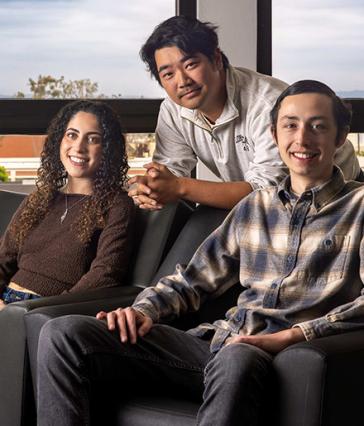
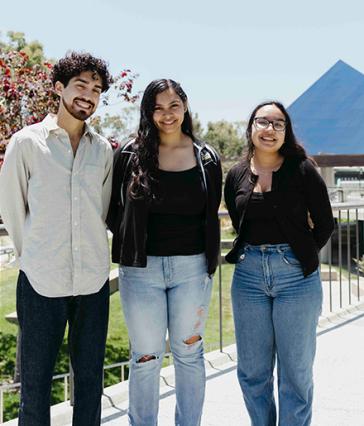
A week on Catalina Island turned these students into field biologists
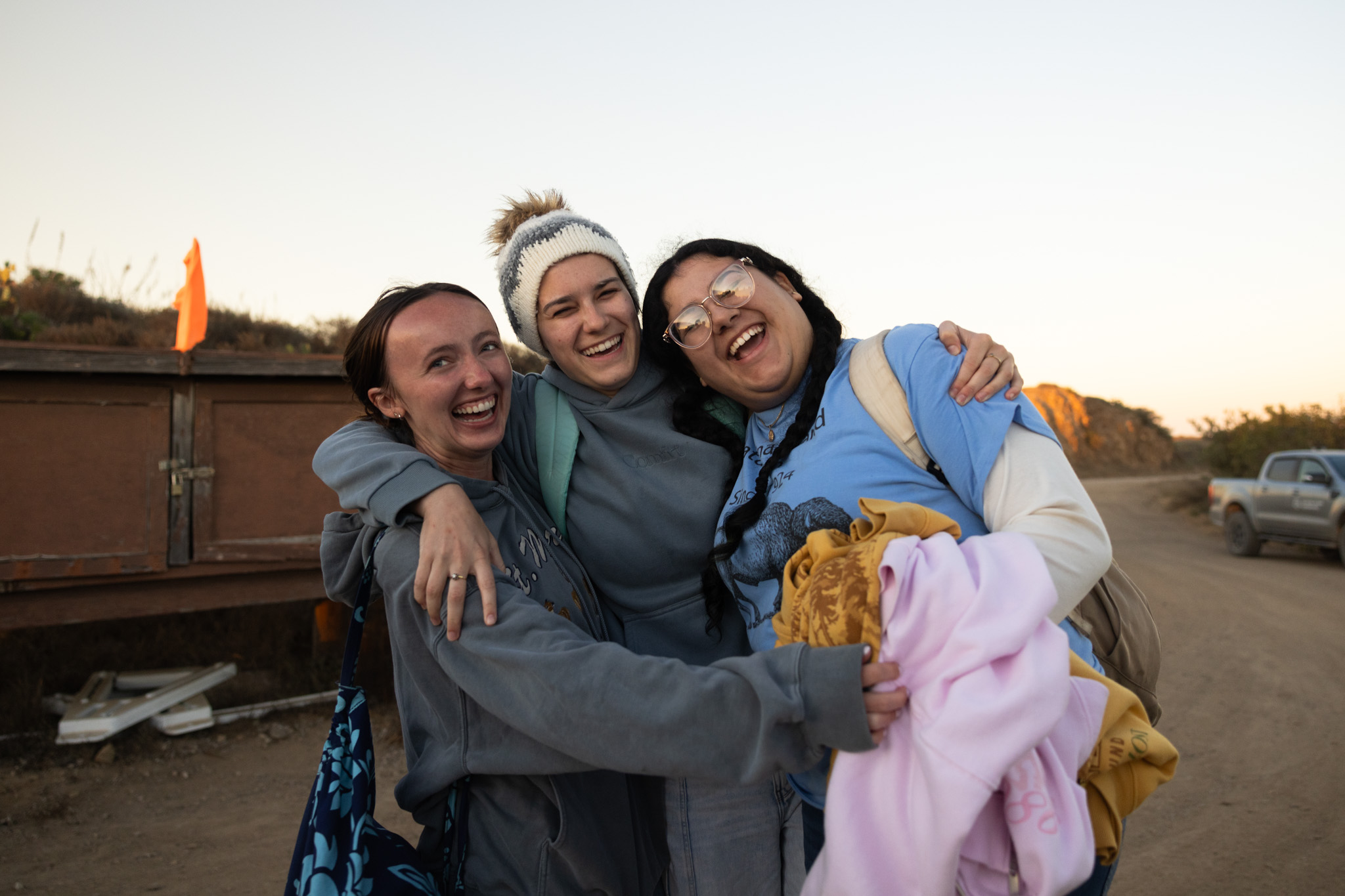
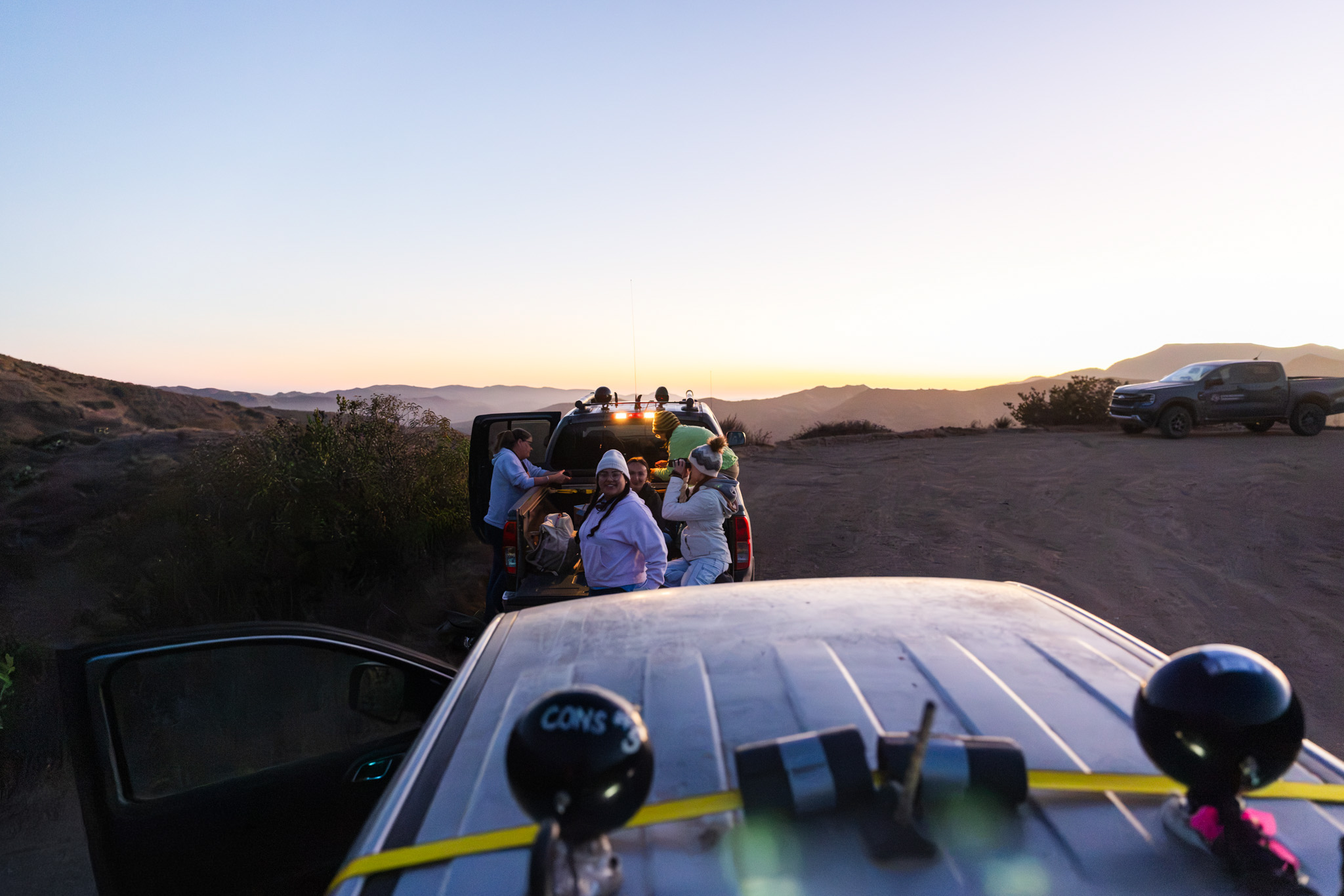
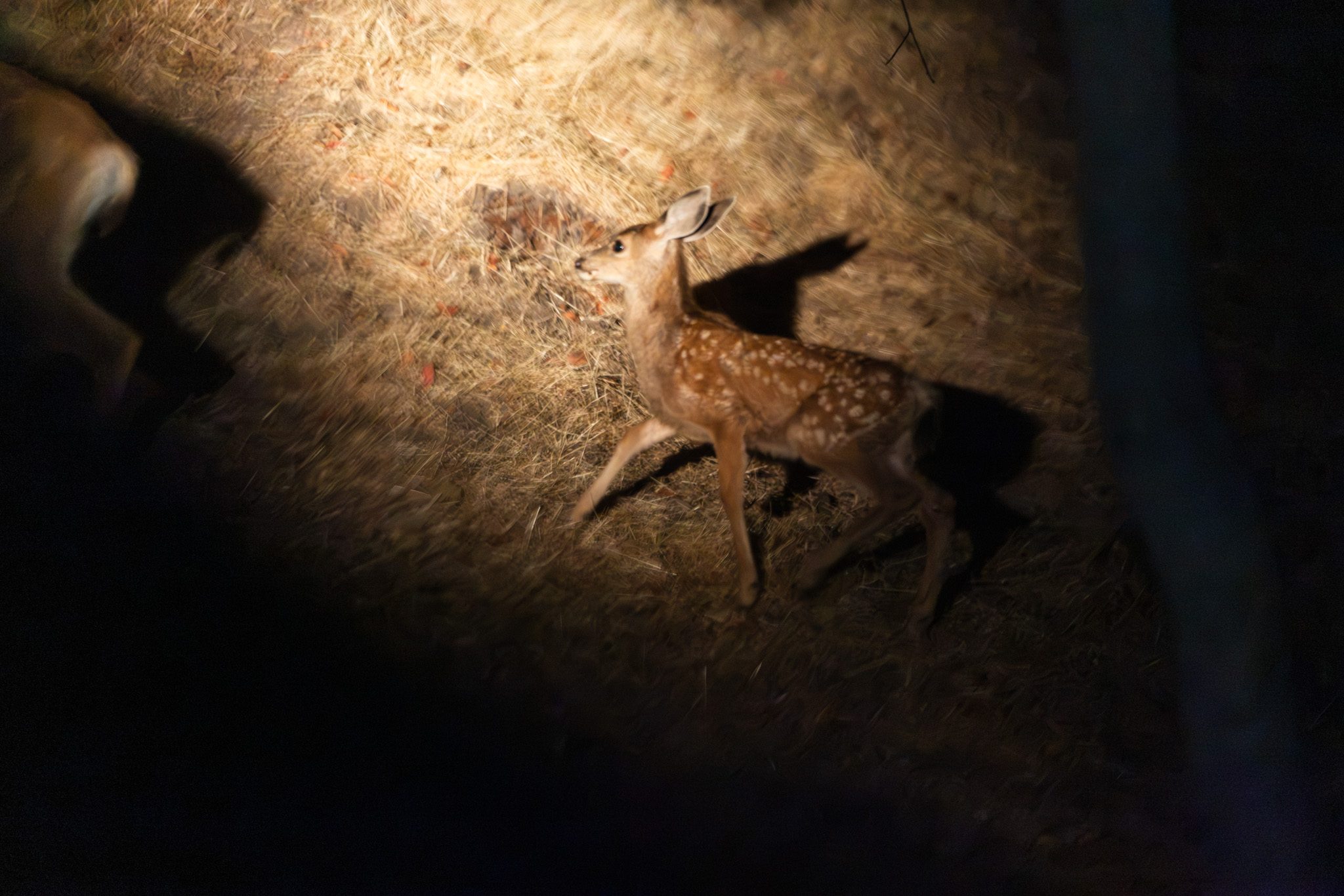
After dusk on Catalina Island, a small fleet of black trucks begins what will become an all-night trek through the sage-covered hills of the island’s remote and rugged interior. In each truck bed, a pair of biology students from Cal State Long Beach grip spotlights and scan for the flash of an eye or a bit of fur. They are looking for deer but often catch fox and bison in their sights, too. Each glimpse offers its own small thrill.
By sunrise, the 10 of them will have counted, sexed and aged hundreds of deer — hands-on work that gives undergrads real field experience alongside the seasoned biologists who guide them.
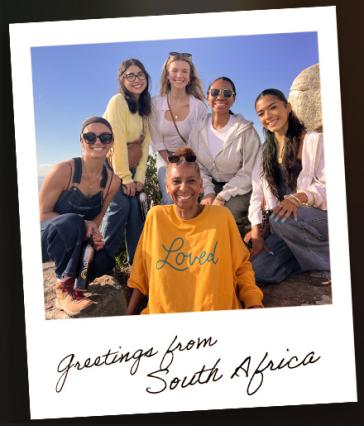
This is the Catalina Island Summer Research Experience, a weeklong immersion lab for students in Professor Ben Perlman's Biology 211 course, funded by a grant to the College of Natural Sciences and Mathematics from the W. M. Keck Foundation. Best known for his work as director of the STABB (Stingray and Butterfly Biomechanics) Lab, Perlman and Lindsay Darjany, a lecturer and lab coordinator in the Biological Sciences Department, have brought first-, second- and third-year students to the island for the past five summers in partnership with the Catalina Island Conservancy.
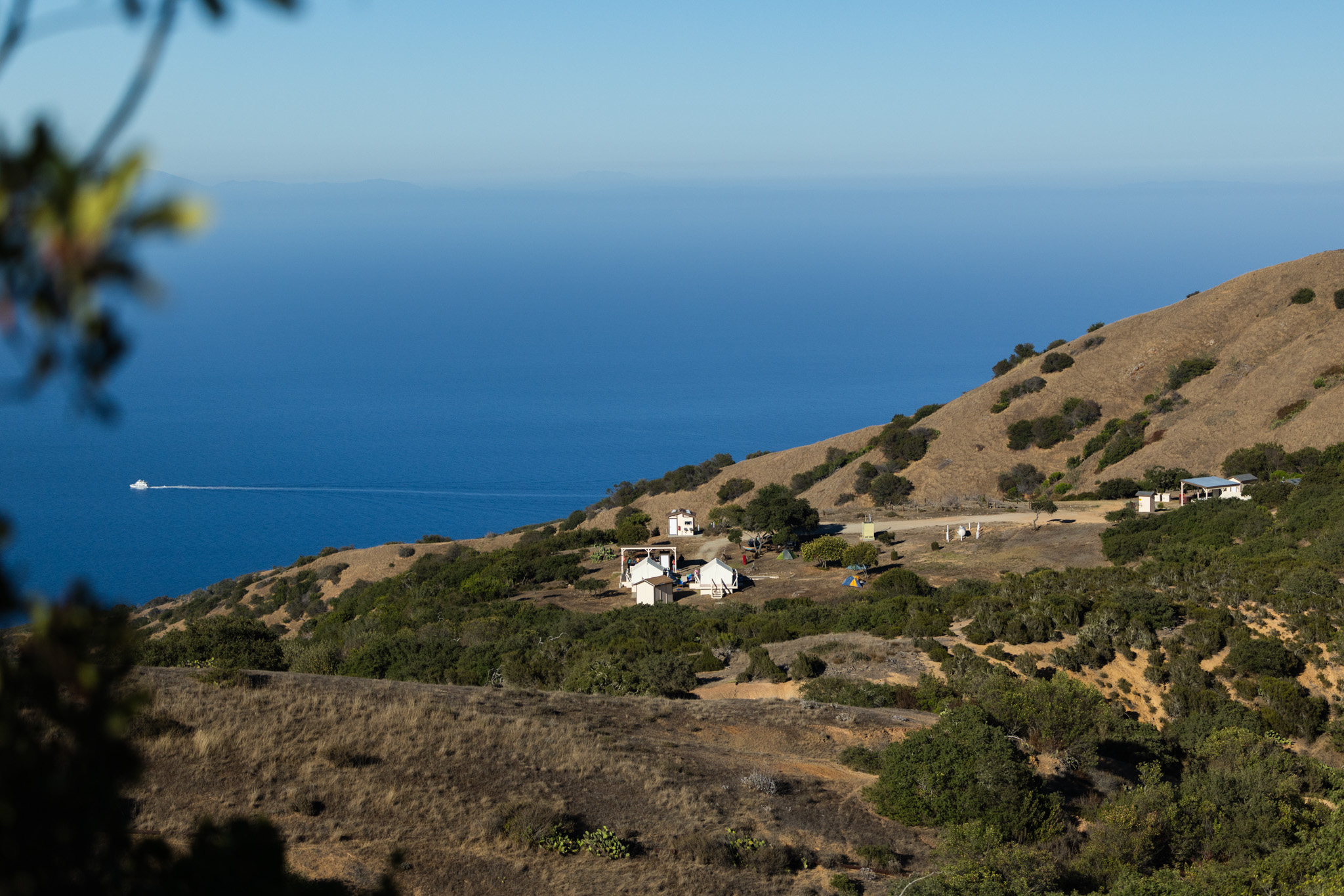
The goal is to catch students early, before the demands of upper-division coursework crowd out the chance to fall in love with fieldwork. And because it's Catalina, the work takes place on mountain ridges and coastline bluffs, the Pacific often somewhere in view.
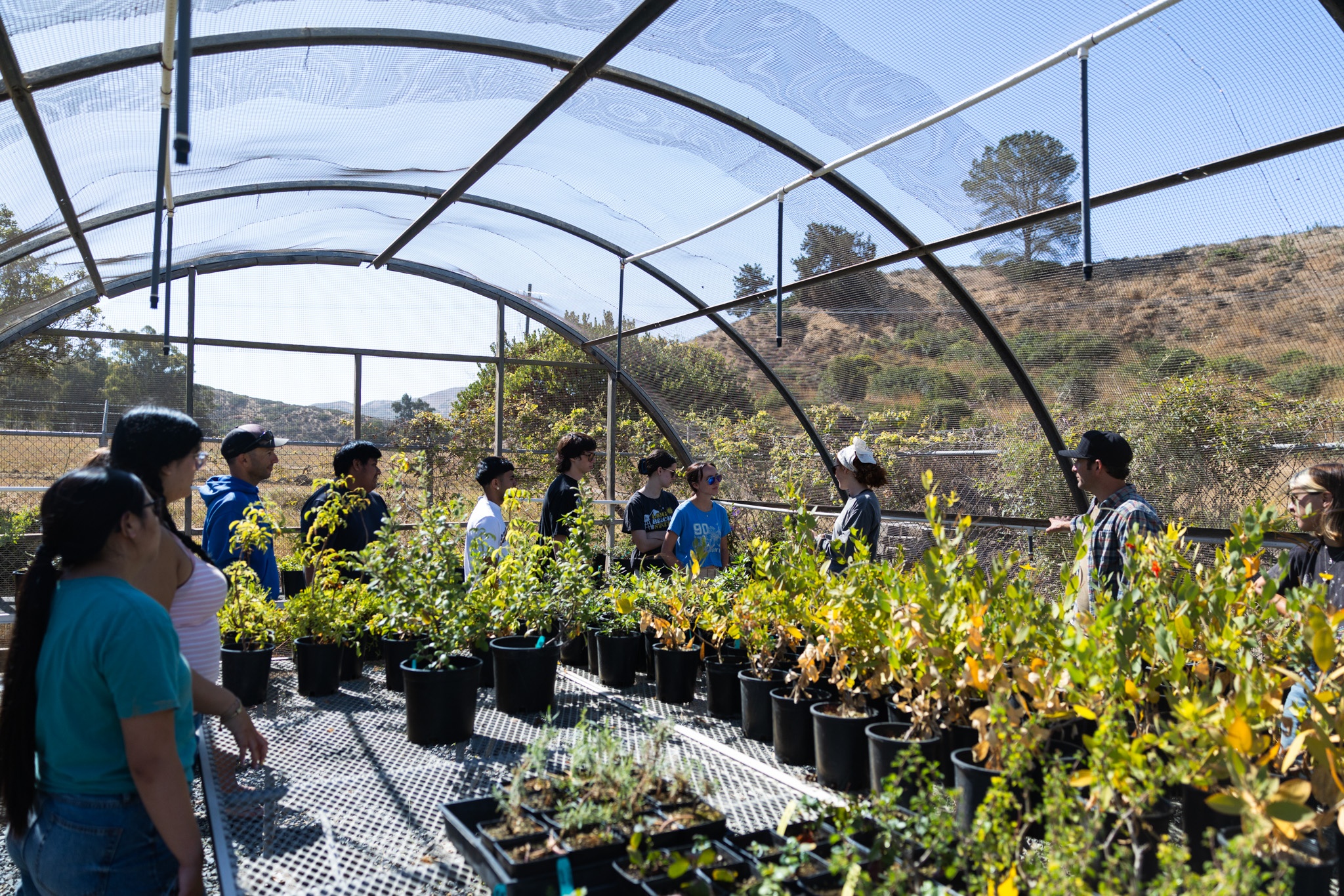
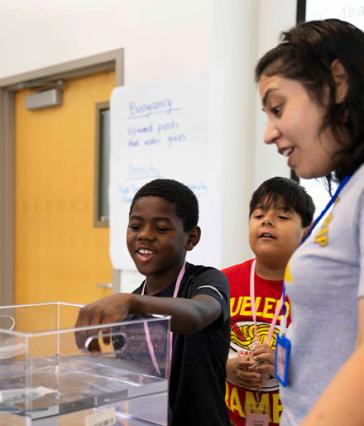
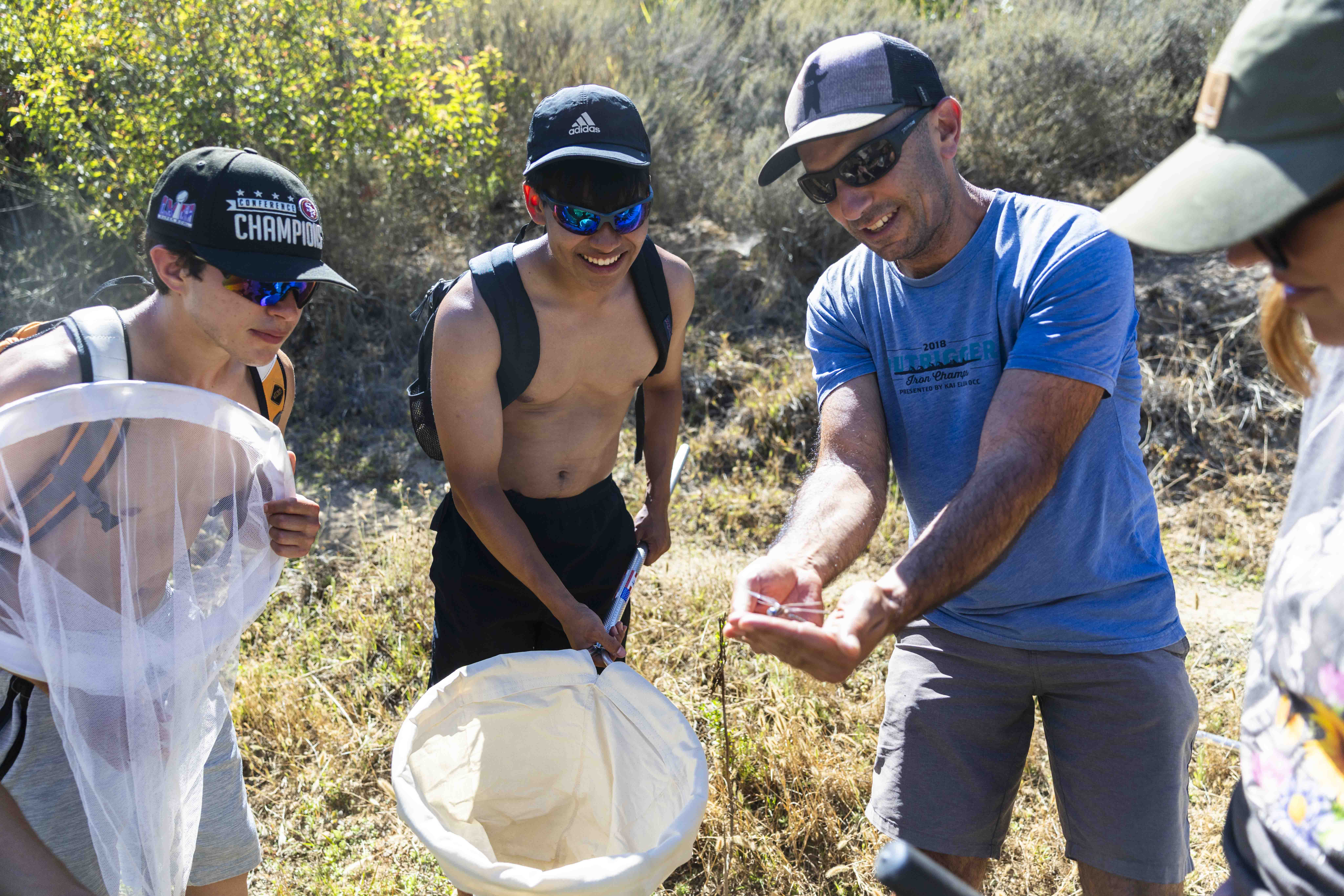
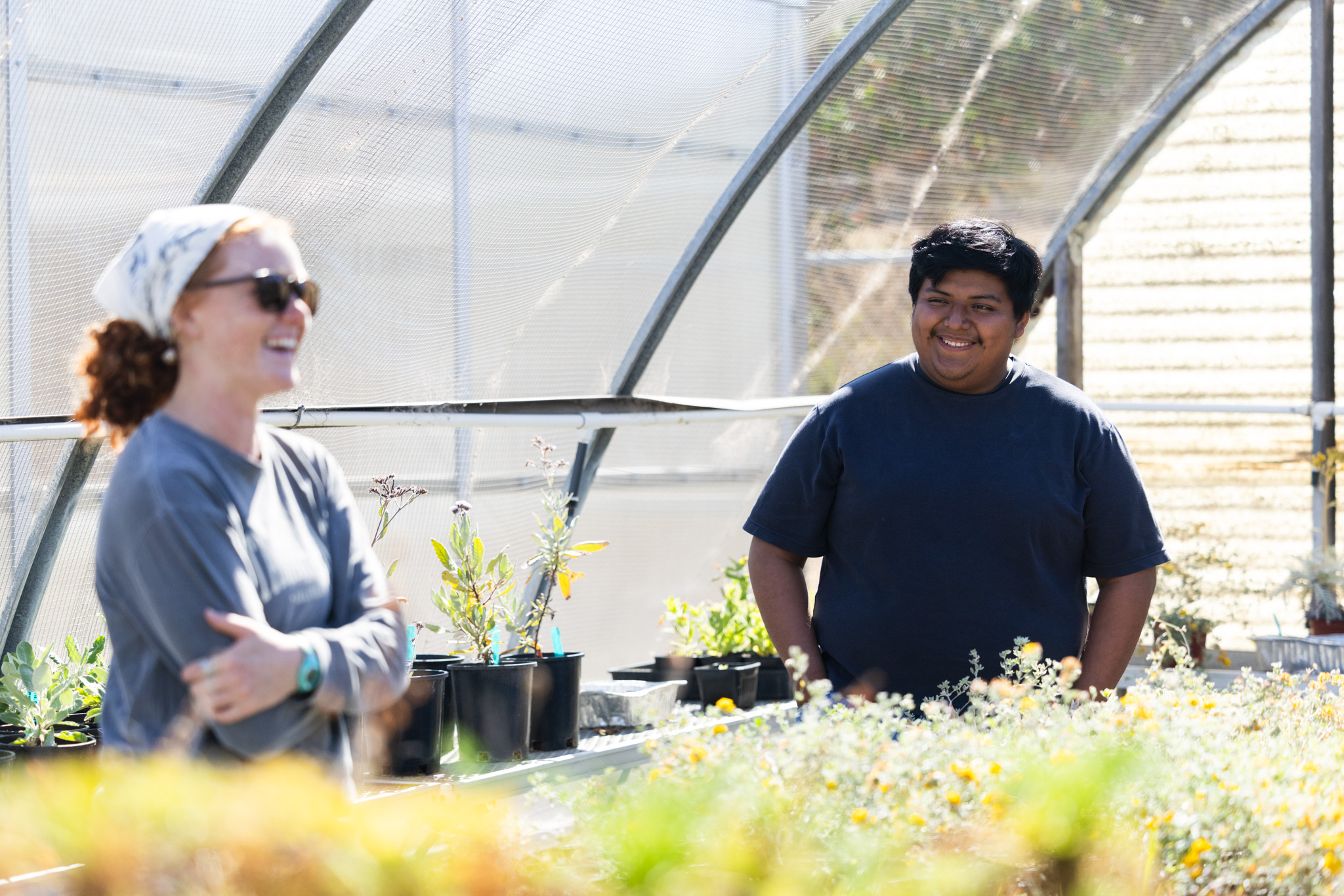
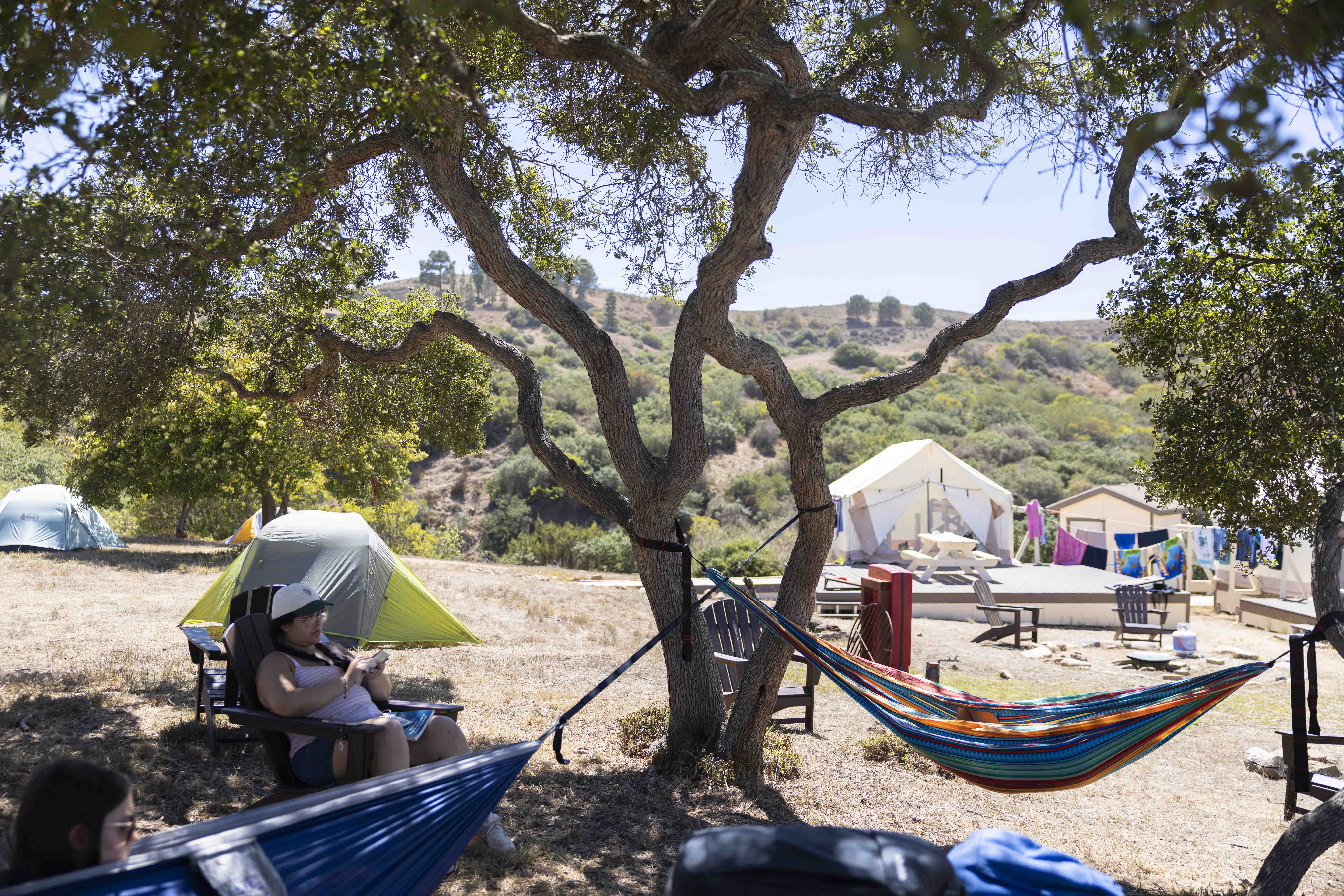
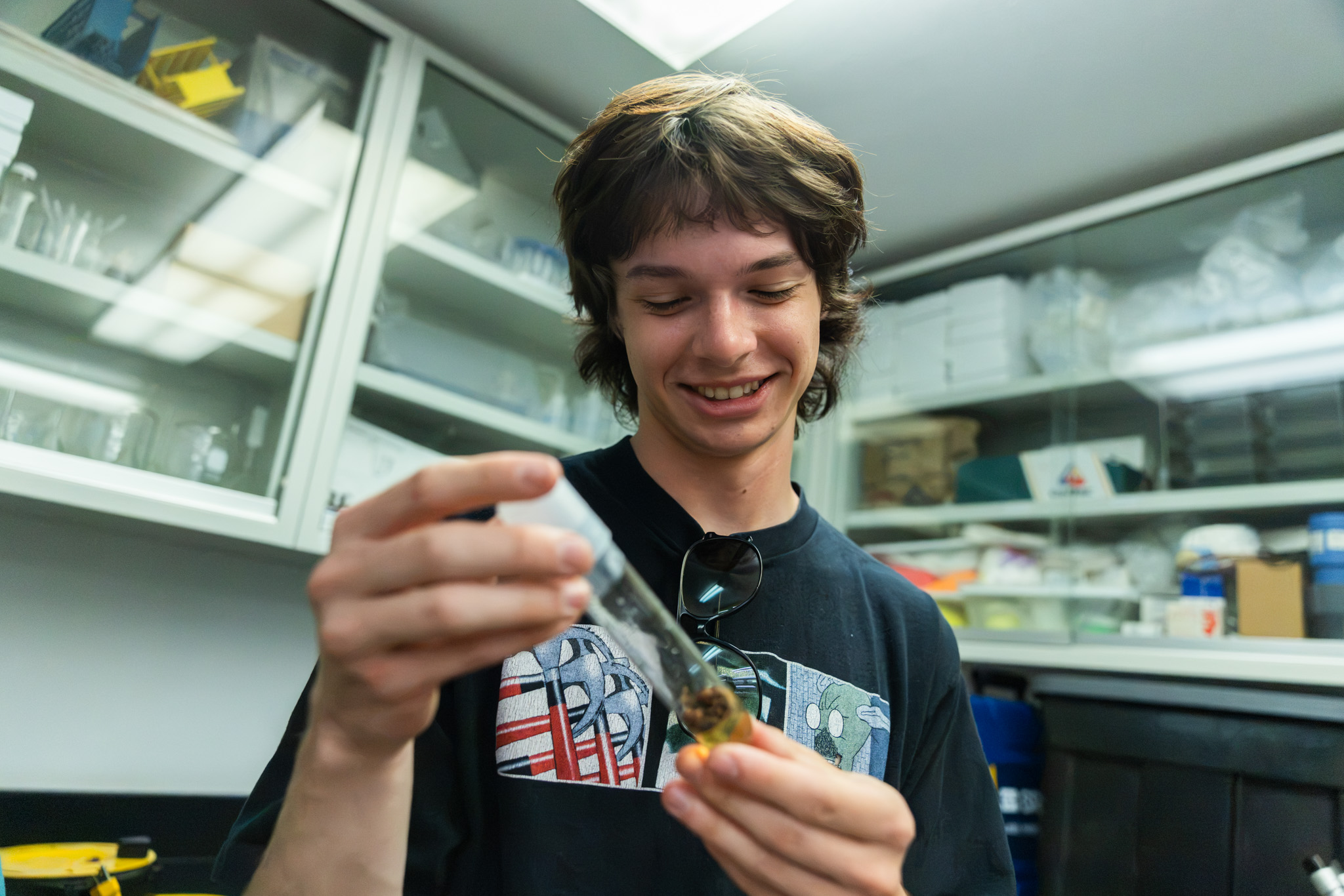
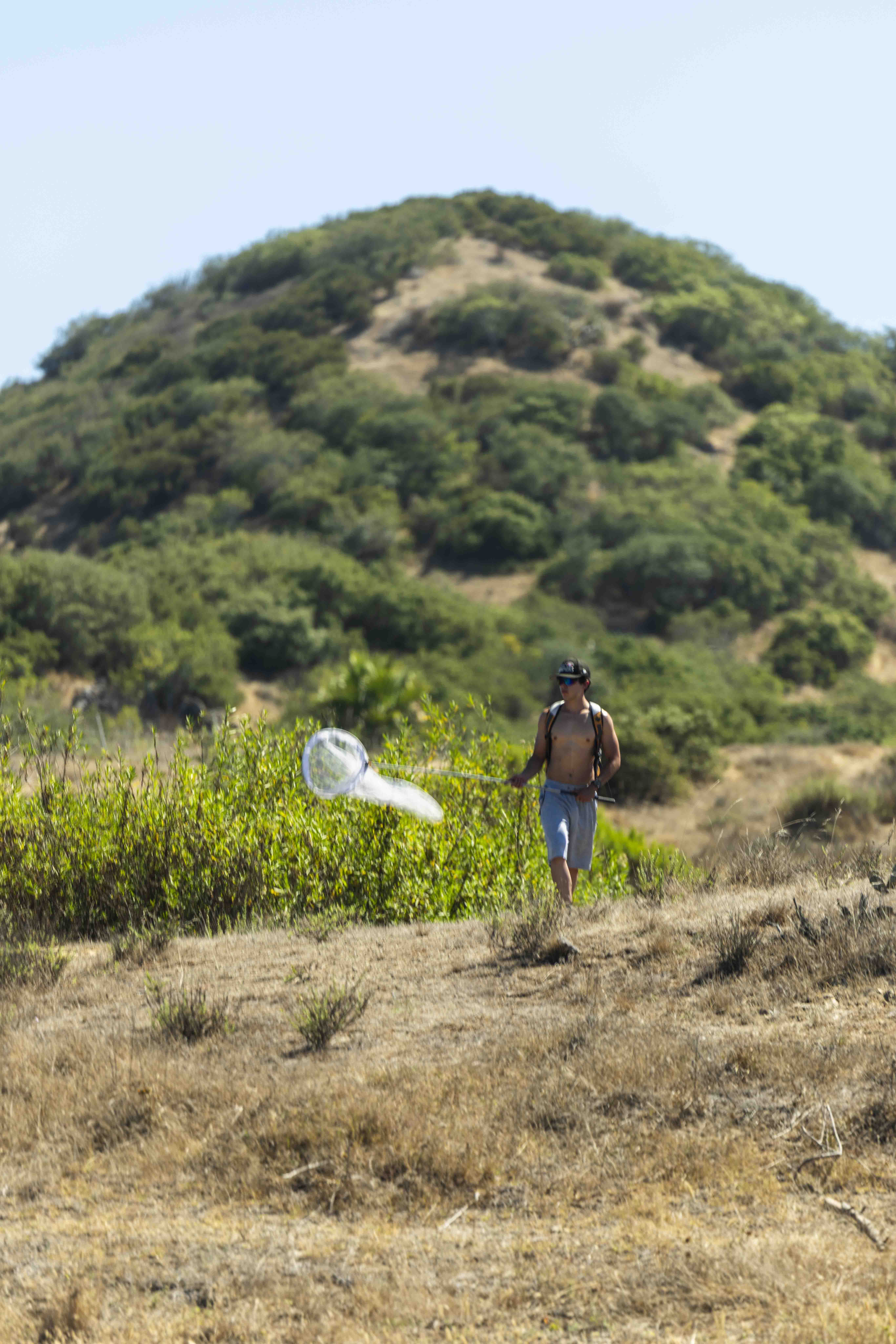
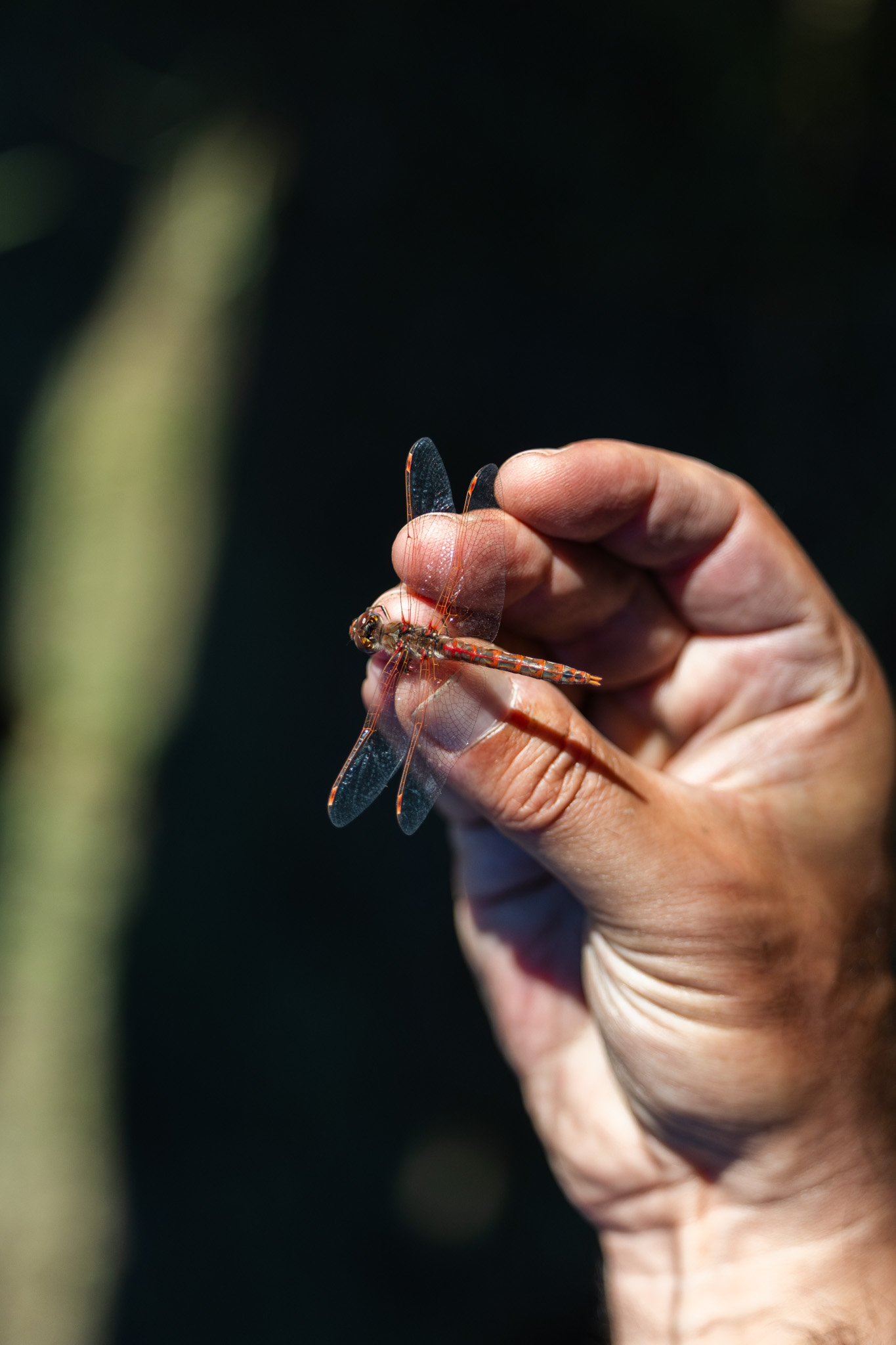
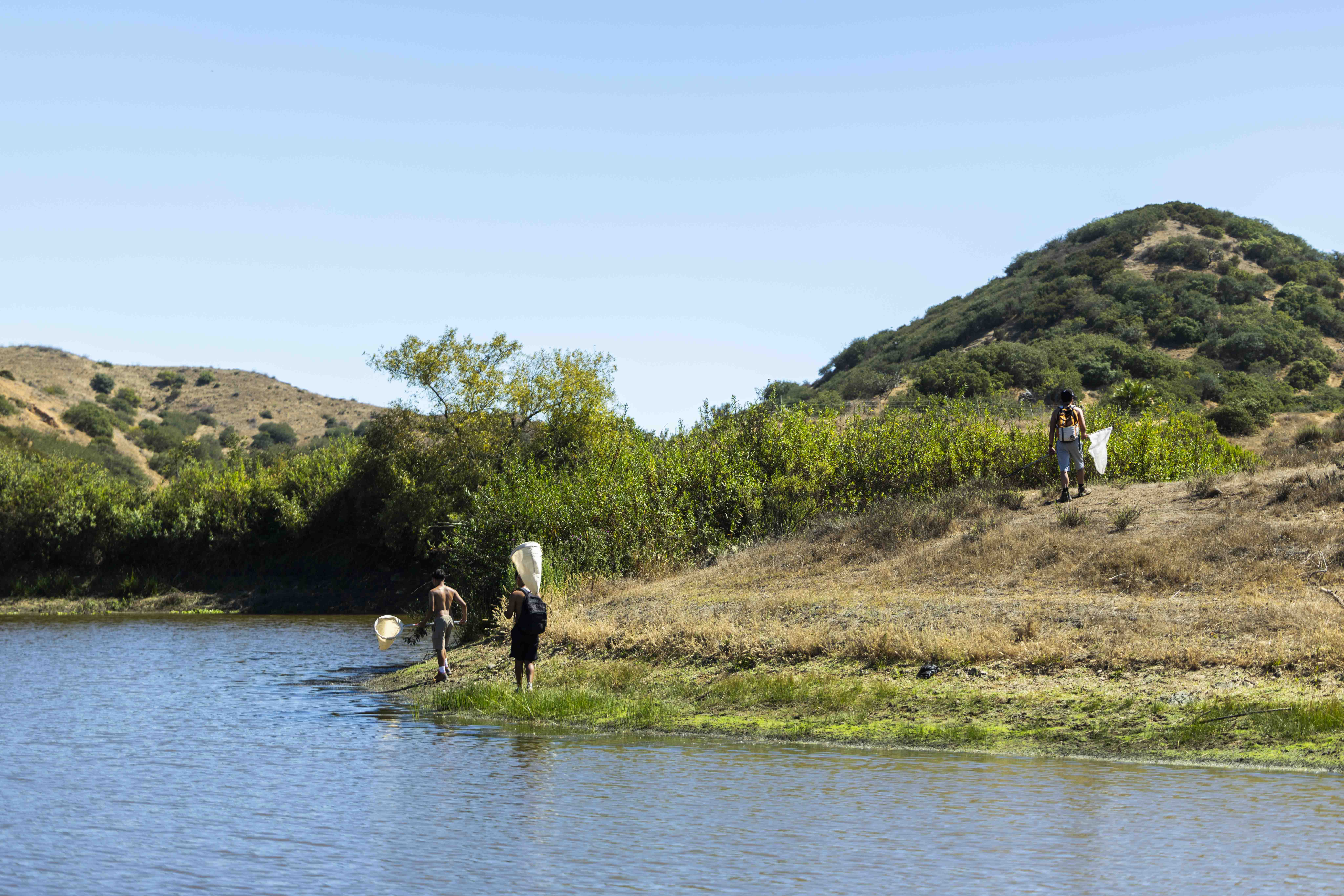
One day in early July, students awoke before 7 a.m. at the Laura Stein volunteer campground, 10 minutes outside Avalon, and drove to Middle Ranch to visit the lab there and tour a native plant nursery led by Kevin Alison, the conservancy's rare plant ecologist. Later, a smaller group conducted dragonflies and damselflies surveys before resting up at the campground.
At one point, after spending days introducing students to various plant smells — fennel, coastal sage, wildflowers — Darjany watched as one of the students turned to a visitor to point out the nearby fennel, explaining that it was an invasive species crowding out the natives growing beside it.
"It was a full-circle moment for me,” she said, “to see how effective a field experience is. Something I taught this student just 24 hours earlier had already spread its reach."
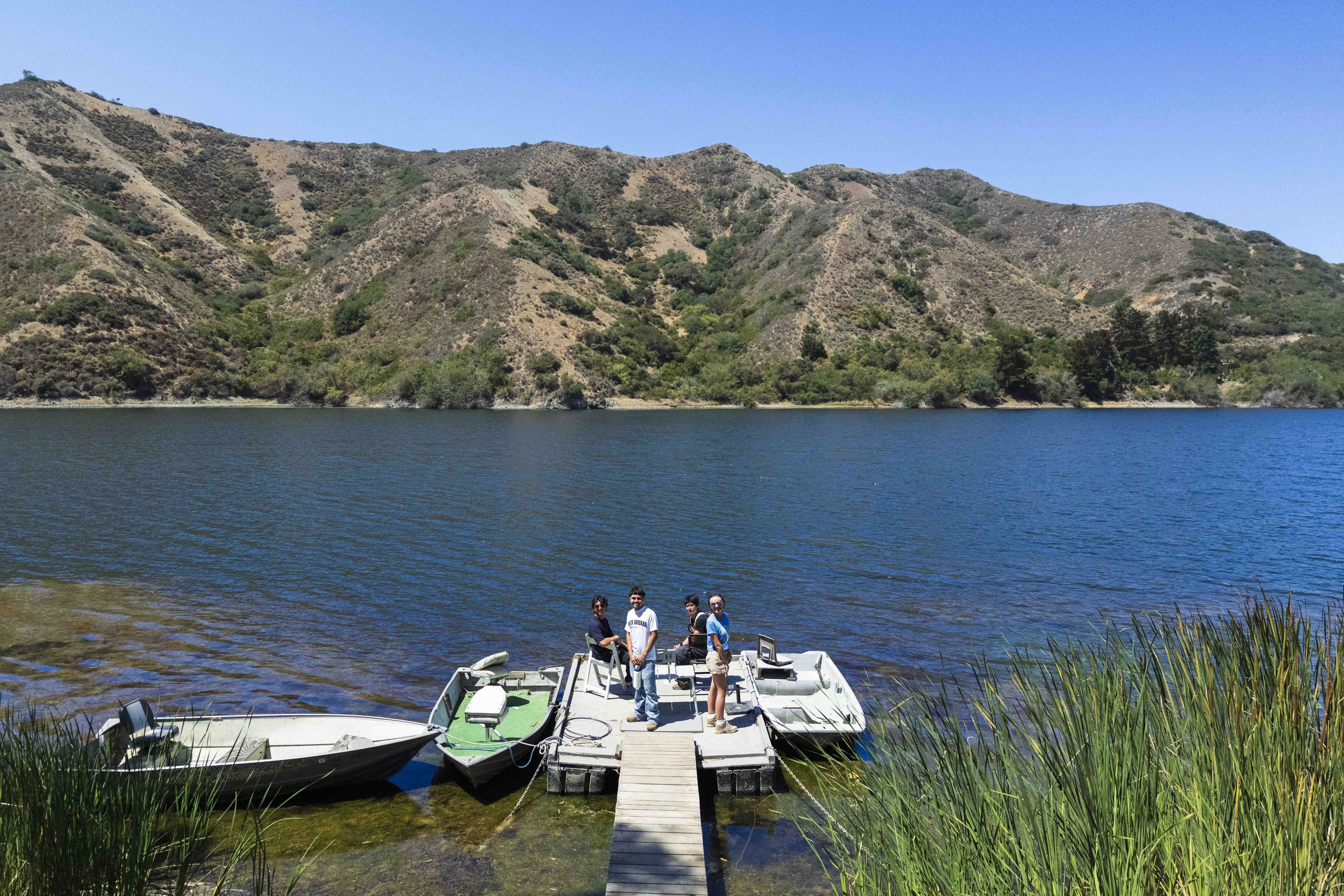
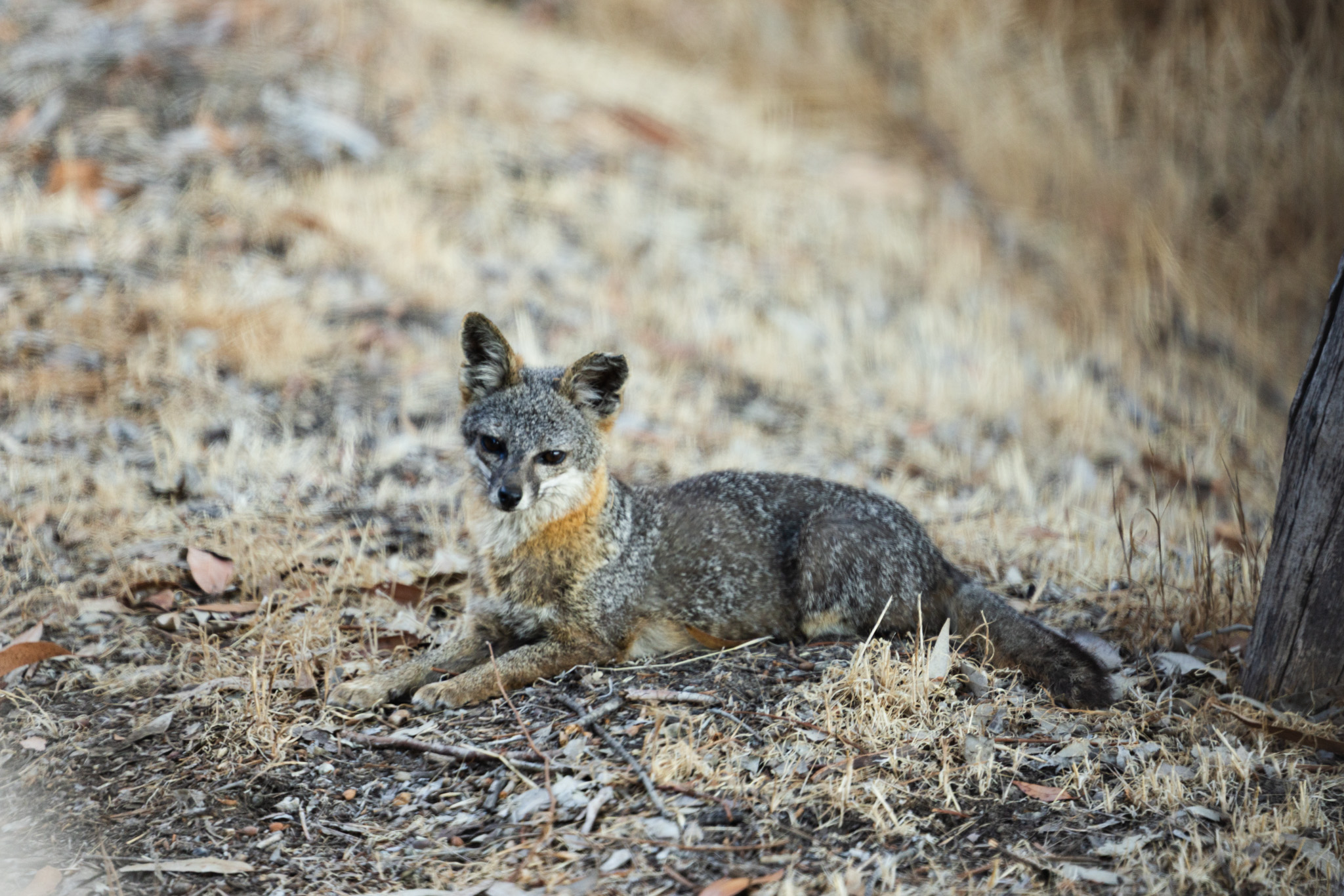
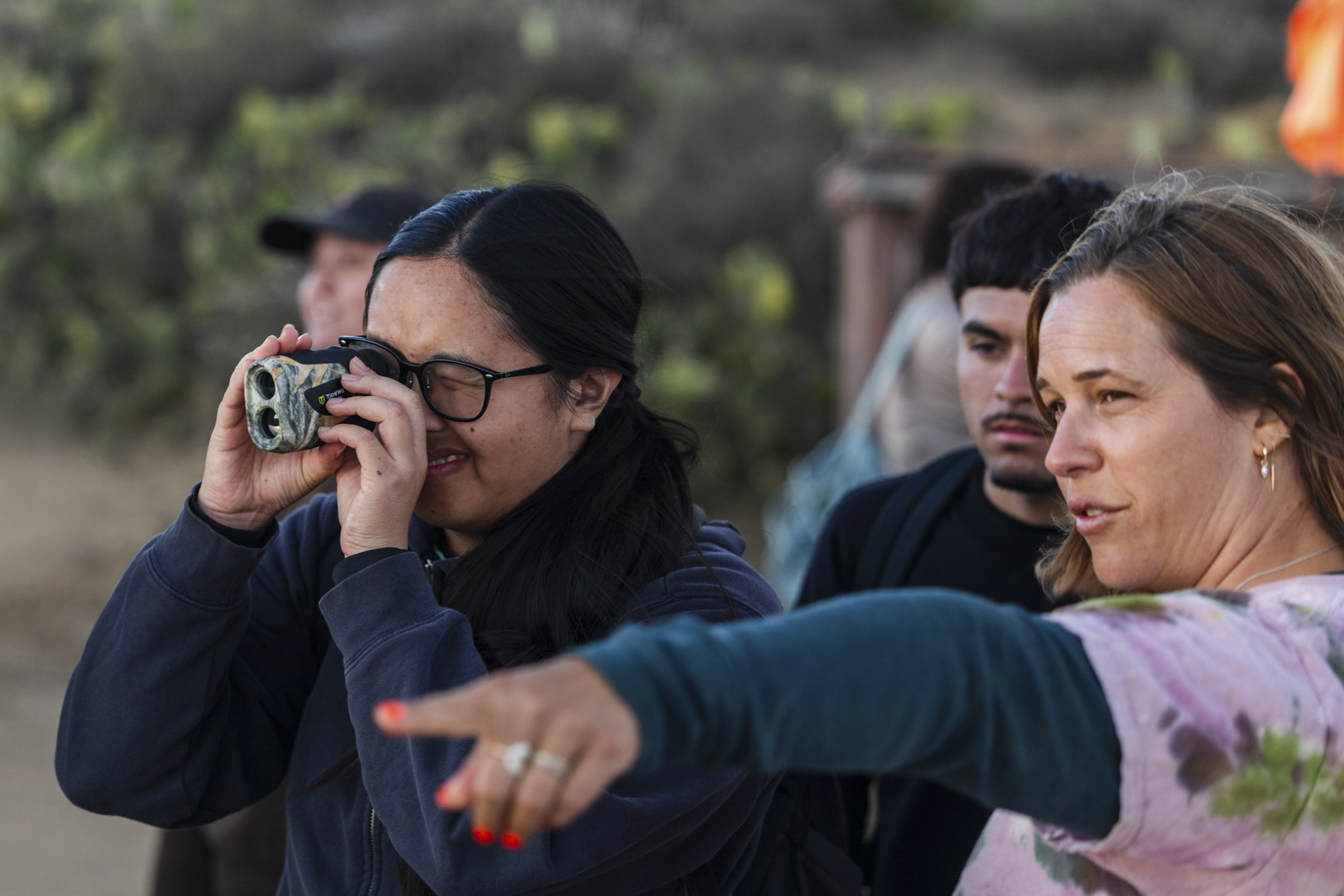
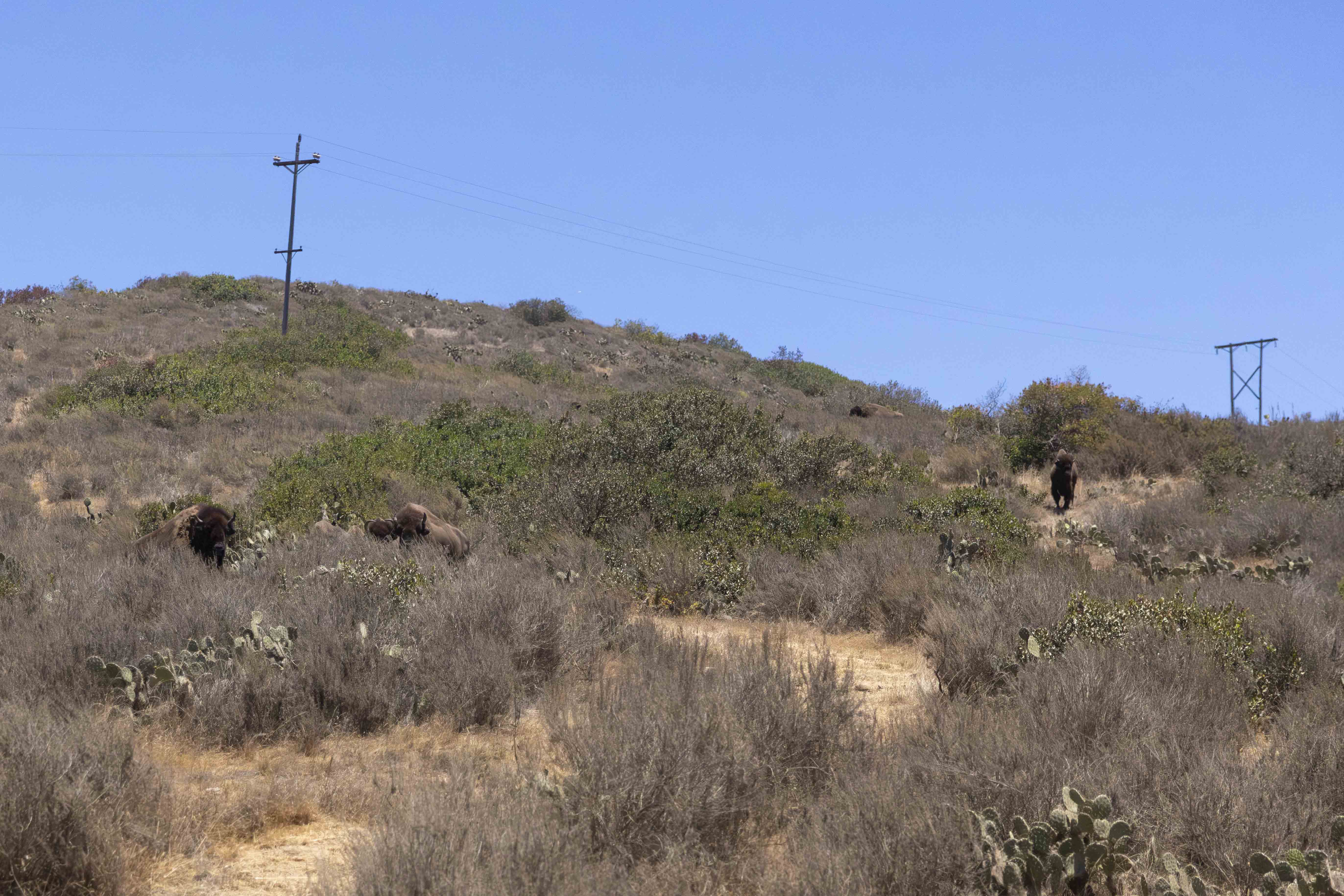
After dinner, and fueled by equal parts adrenaline and curiosity, the students split into four groups and set out for the all-nighter — conducting deer surveys while logging temperature, wind speed and other environmental conditions.
By the end of the week, they had collectively put in hundreds of hours of work and provided real value to the conservancy.
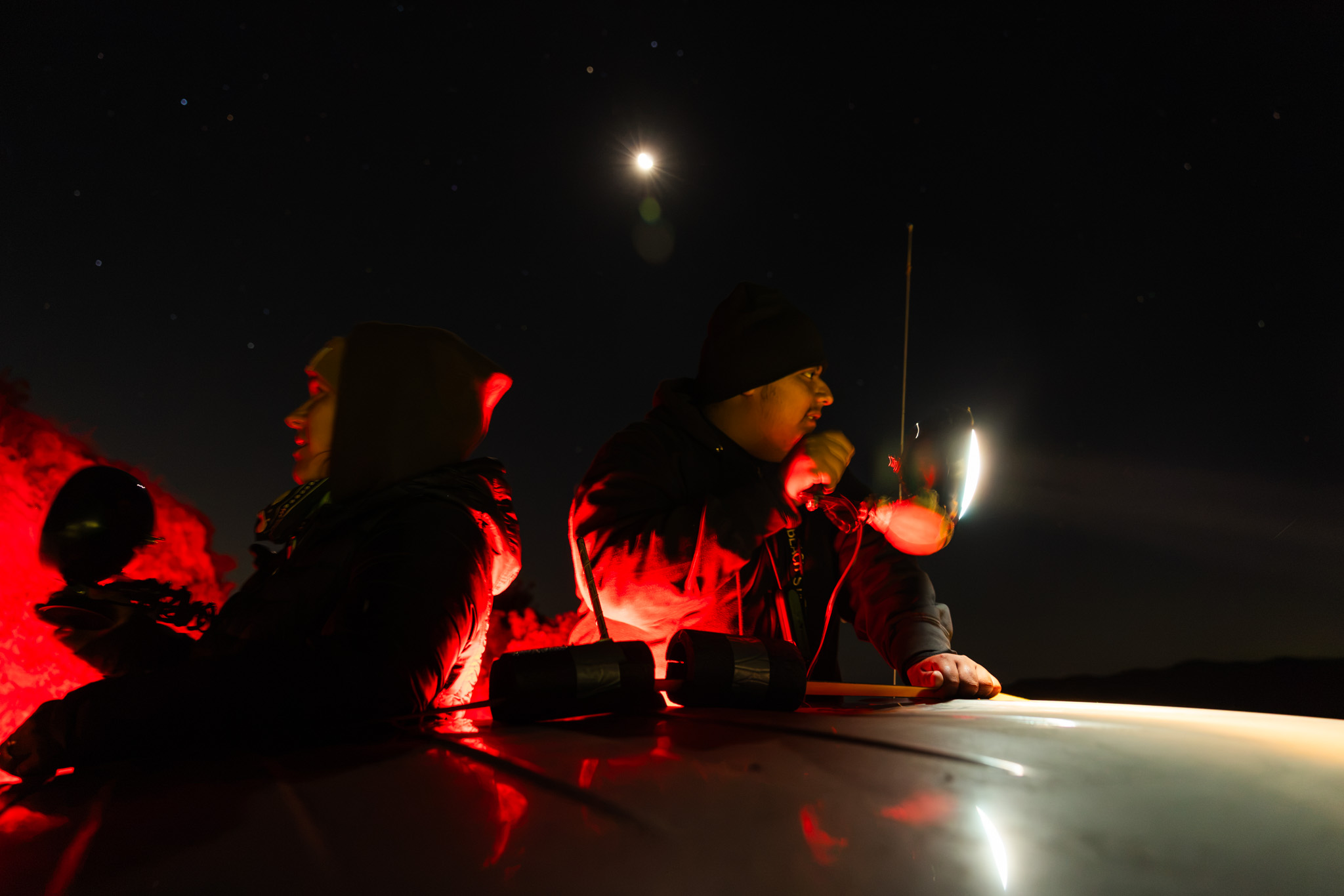
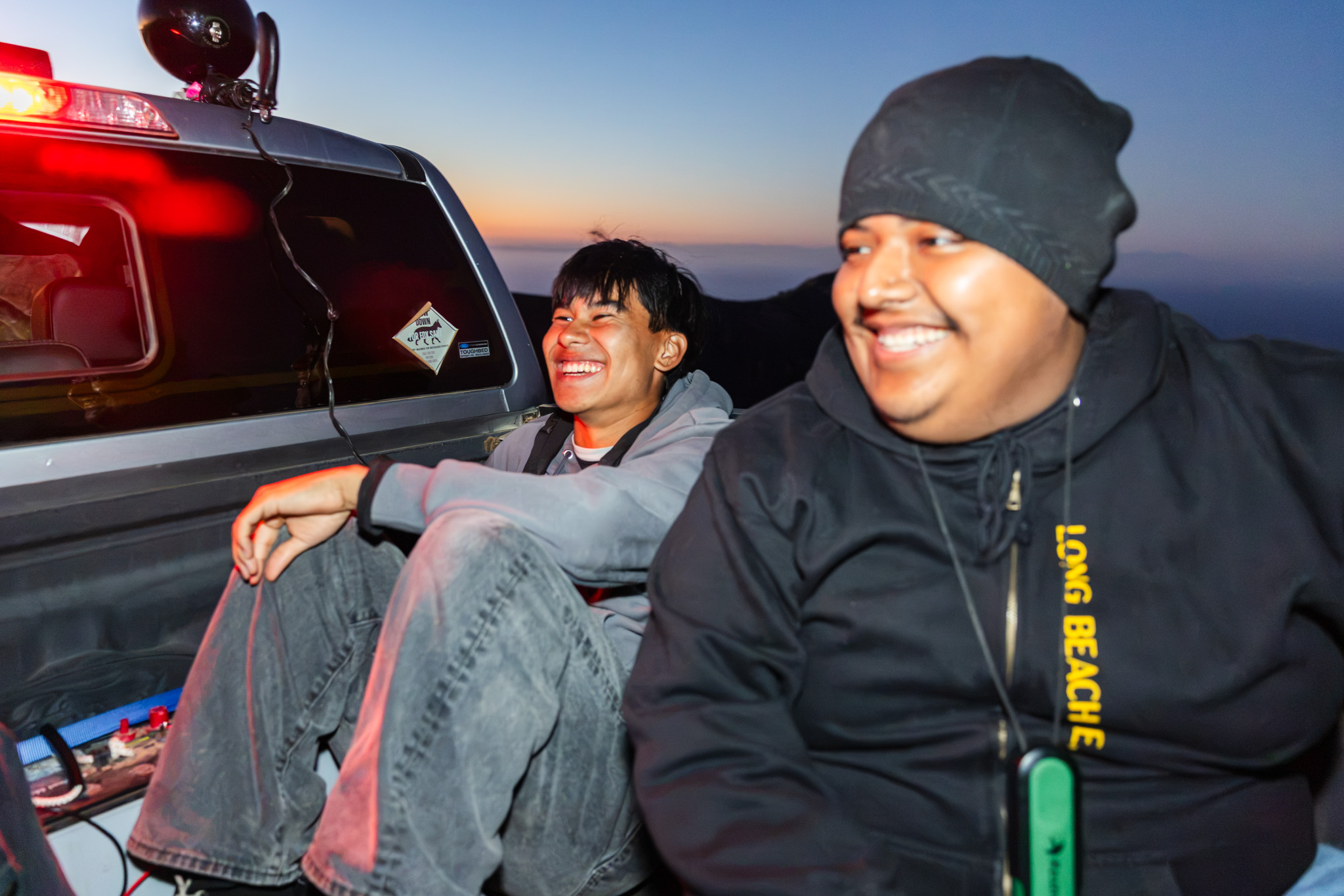
"All of the students were collegial, supportive and looked out for one another," Dajany said. Perlman agreed: "We couldn't have had a better group."
The best part, though, Darjany said, was how much they enjoyed it.
“None of them wanted to leave. We gave them just a little taste of something they could do for a living with their degree, and they all wanted to keep doing it."