CSULB students are showing up for underserved families — with measurable results
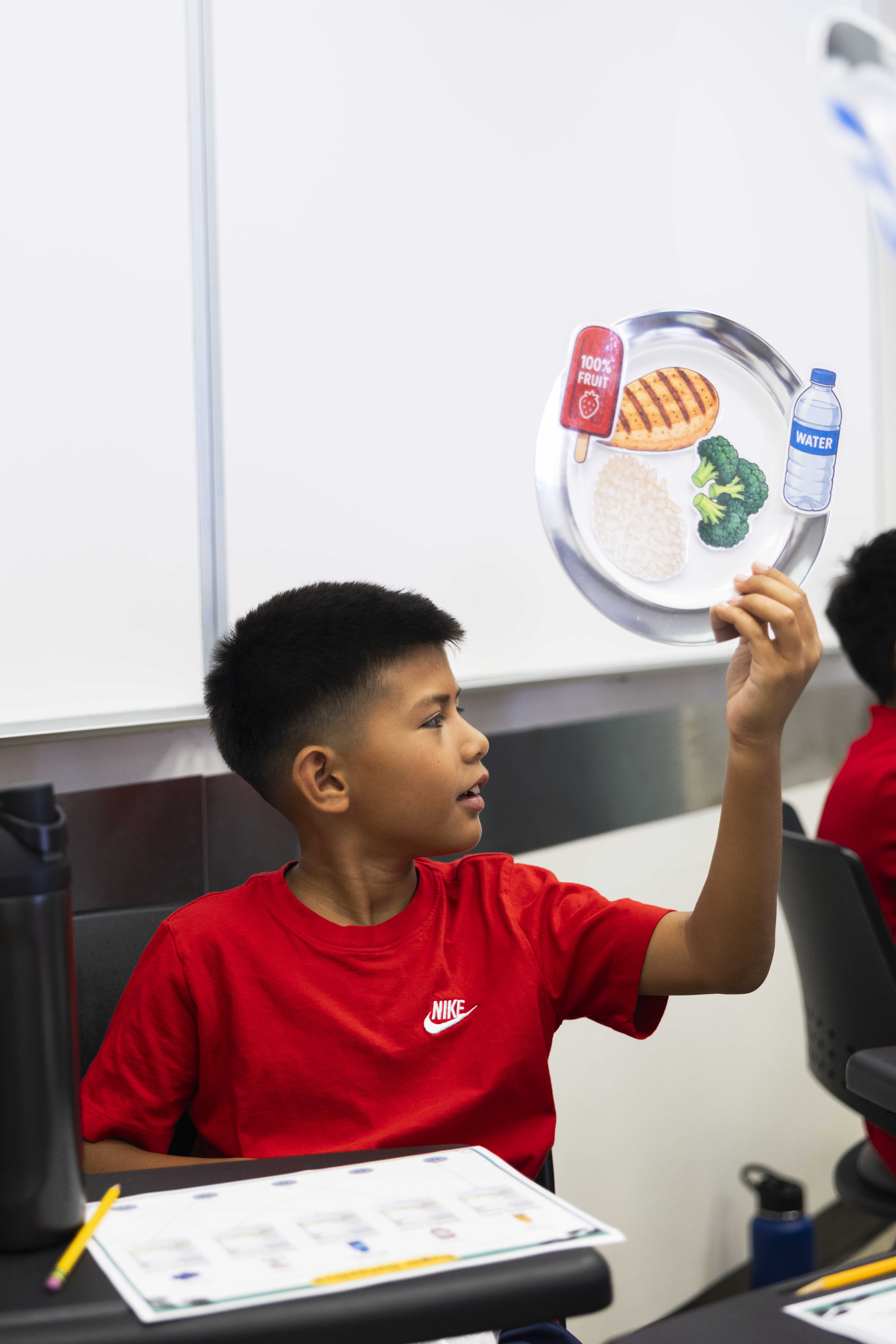
Eva, 10, already has a plan for the next time her friend, Yuliana, comes over. They'll squeeze frozen watermelon, strain out the juice and freeze it.
"We'll make it into a natural popsicle," she said, “so then we don't have to eat all the sugar."
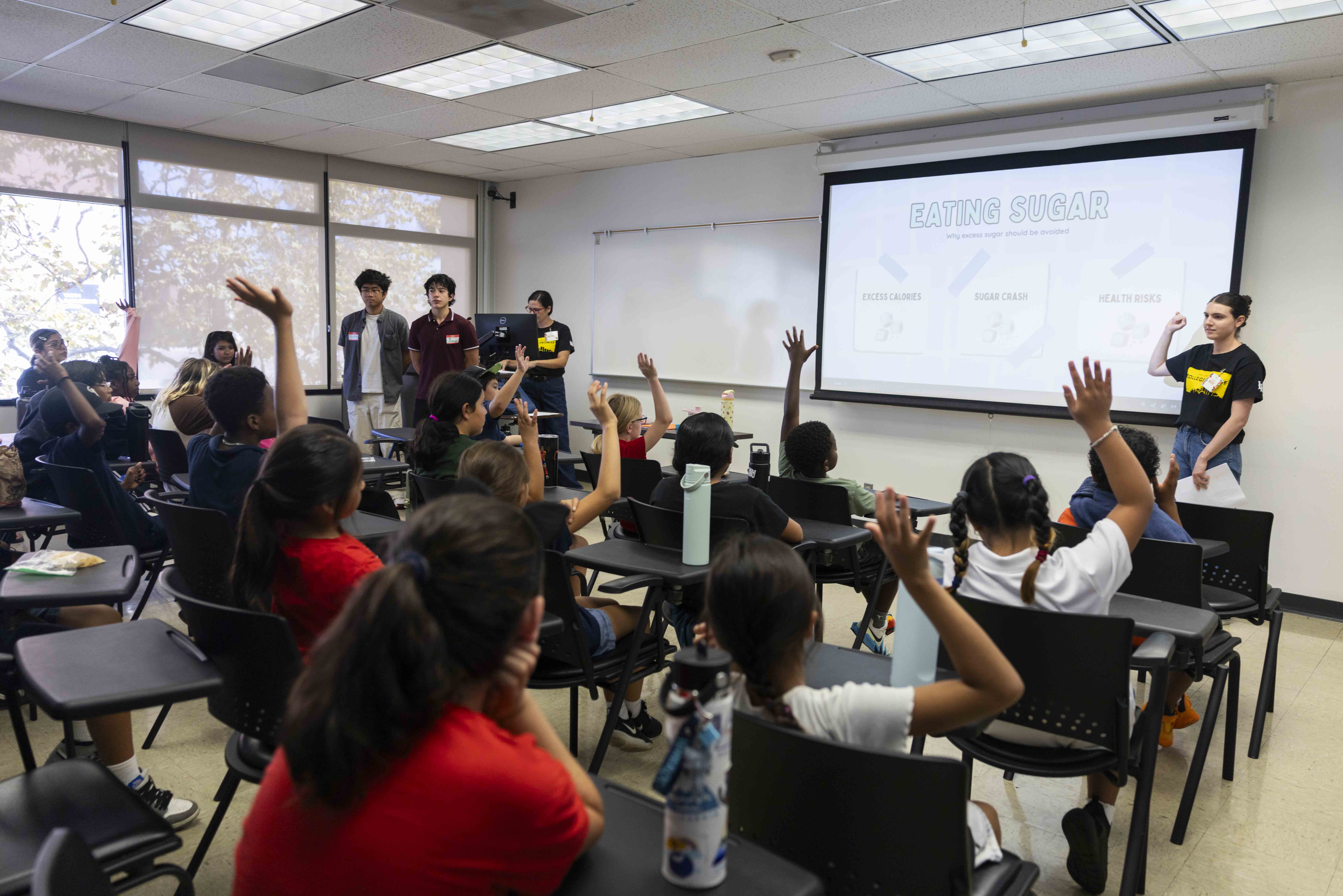
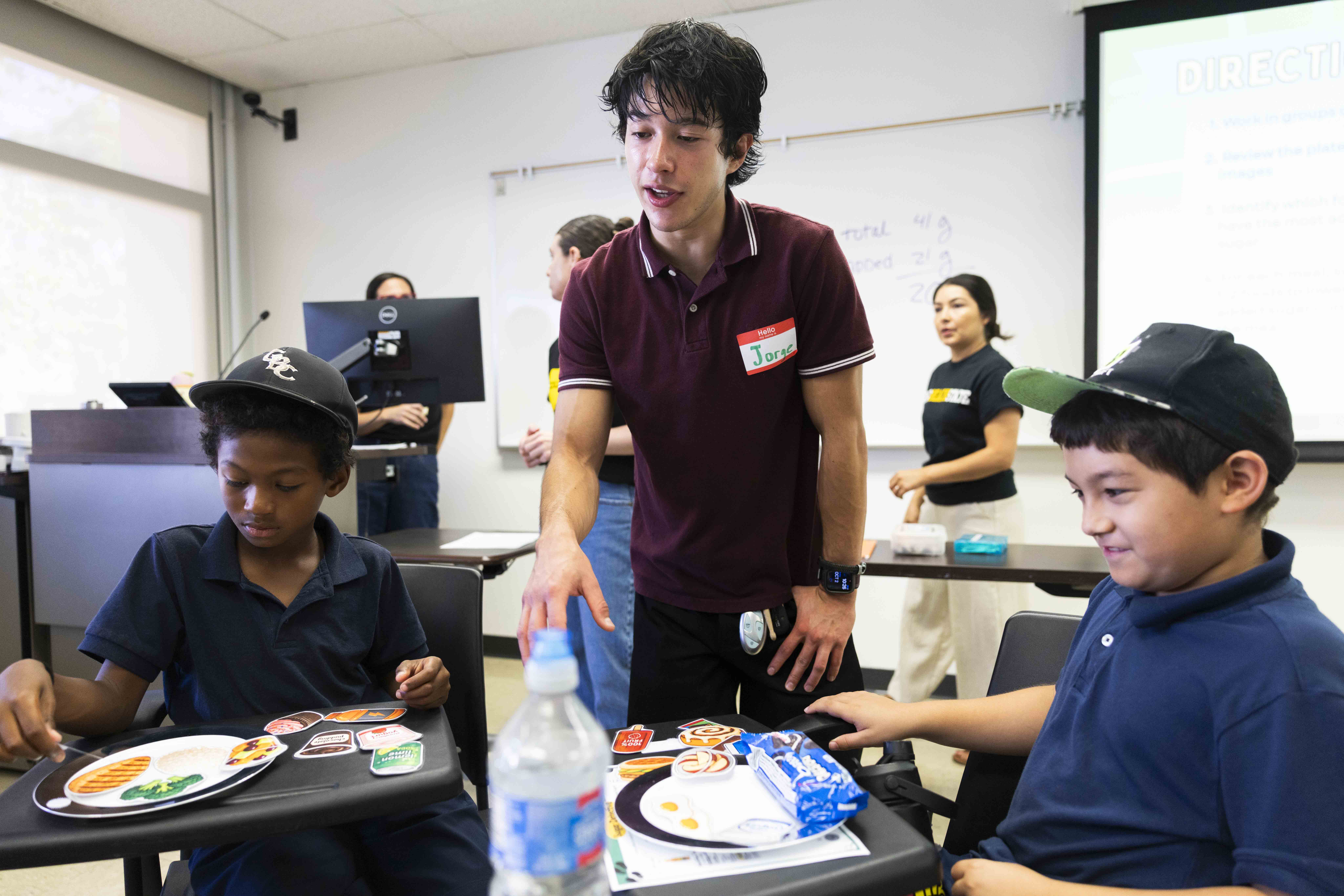
Eva's plan is exactly what Harvesting Healthy Habits is all about. The nutrition program trains Cal State Long Beach students — many of them Latino and bilingual — to teach healthy eating to children and families in underserved Long Beach neighborhoods.
Launched with funding from the U.S. Department of Agriculture, the program is run by CSULB's Center for Latino Community Health, Evaluation and Leadership Training, which has paired community health work with hands-on student training since 2005. In the last decade alone, the center has trained more than 300 CSULB students, served some 3,500 community members, and won 24 federal grants and 11 contracts totaling nearly $8 million — including nearly $1 million in student support. The center’s ÁNDALE Latino Research Training Program was named the 2025 Example of Excelencia at the baccalaureate level.
This is the latest of the center’s long line of initiatives — from Bienestar: Living Well with Diabetes and a Latino Mental Health Summit to HIV prevention campaigns and a genomics project. Center Director Melawhy Garcia said researchers have published 26 peer-reviewed manuscripts and collaborated with students on more than 100 research posters.
The center’s nutrition initiative caught the attention of the CSU Chancellor's Office, which recently rolled out a grant program that pays undergraduates to do research alongside faculty mentors. Only 26 proposals from across the 22-campus system were chosen; Harvesting Healthy Habits was one of them.
From garden to plate
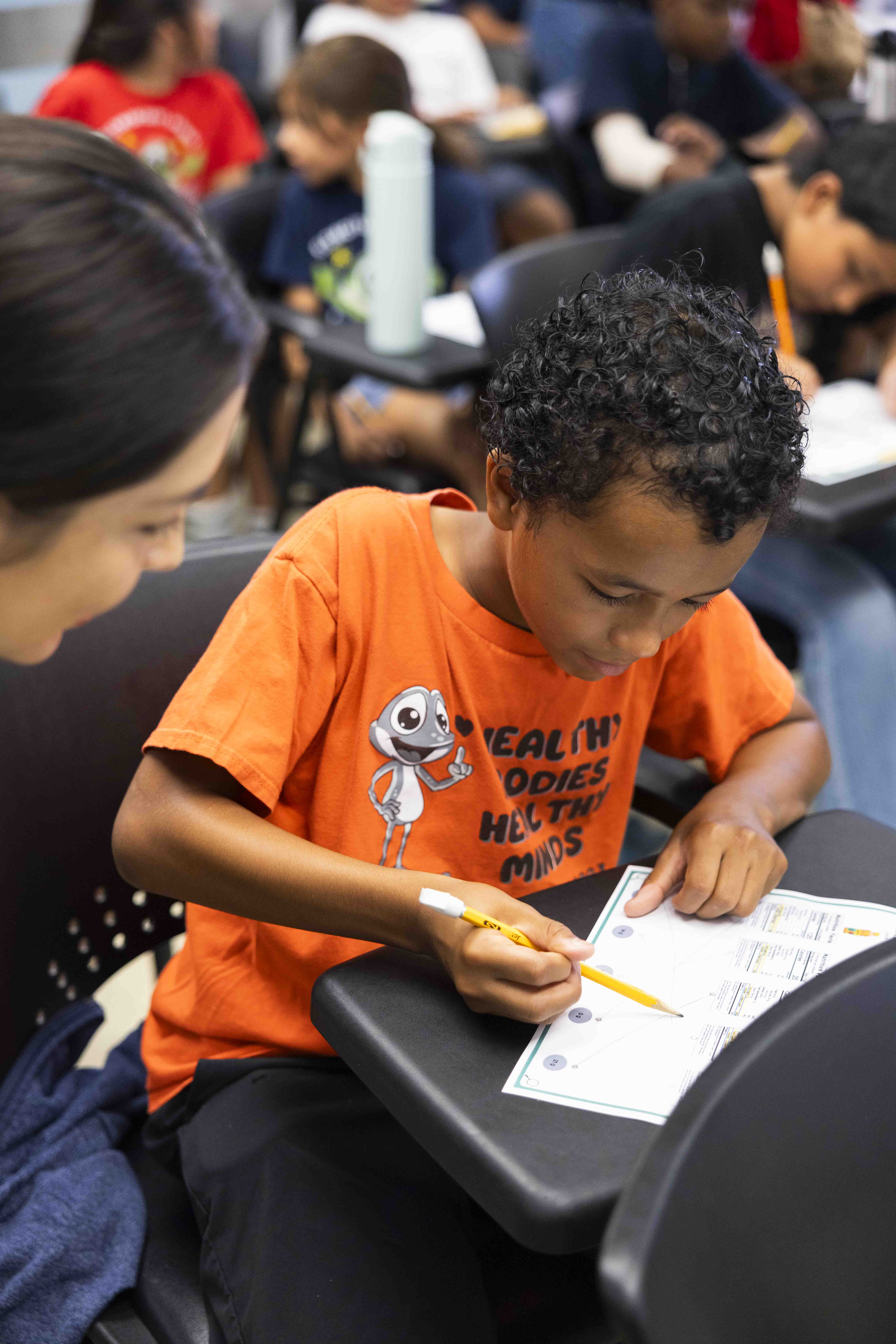
Nutrition lessons sometimes happen in classrooms, as they did for Eva, who participated as part of a recent Long Beach College Promise tour. But most sessions are held in the neighborhood where children live and go to school.
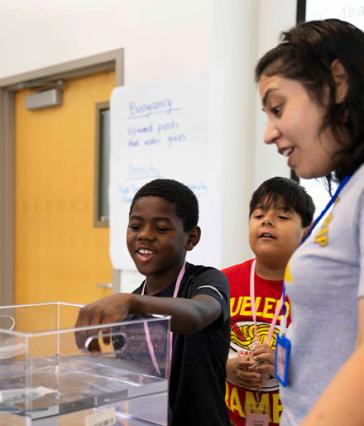
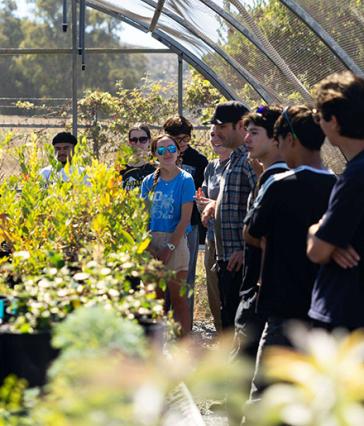
Last spring, children in third through fifth grade met at a community center with a vegetable garden so they could learn where food came from by picking it themselves. Meanwhile, their parents and caregivers learned serving sizes and how to fill a plate. The two groups met separately but at the same time, over four sessions.
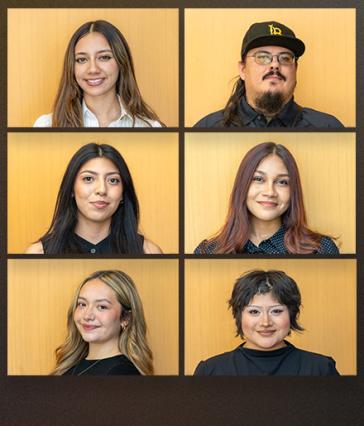
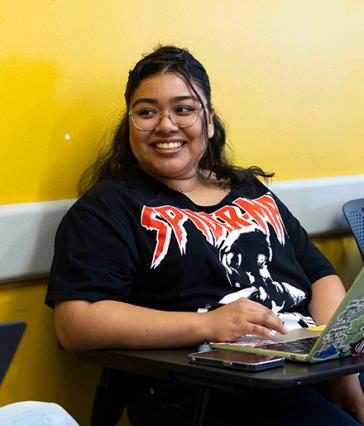
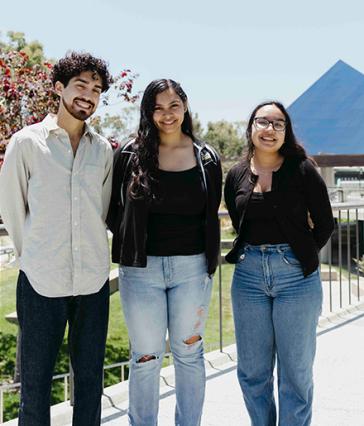
Student fellows receive training and supervision to conduct the health-education sessions. Among the 11 CSULB students — five research fellows and six interns — running the program was Primavera Garcia Trabanino, who sees the program as an investment in the future.
"Teaching them at a young age is very important," Trabanino said. "They can take those habits into adulthood."
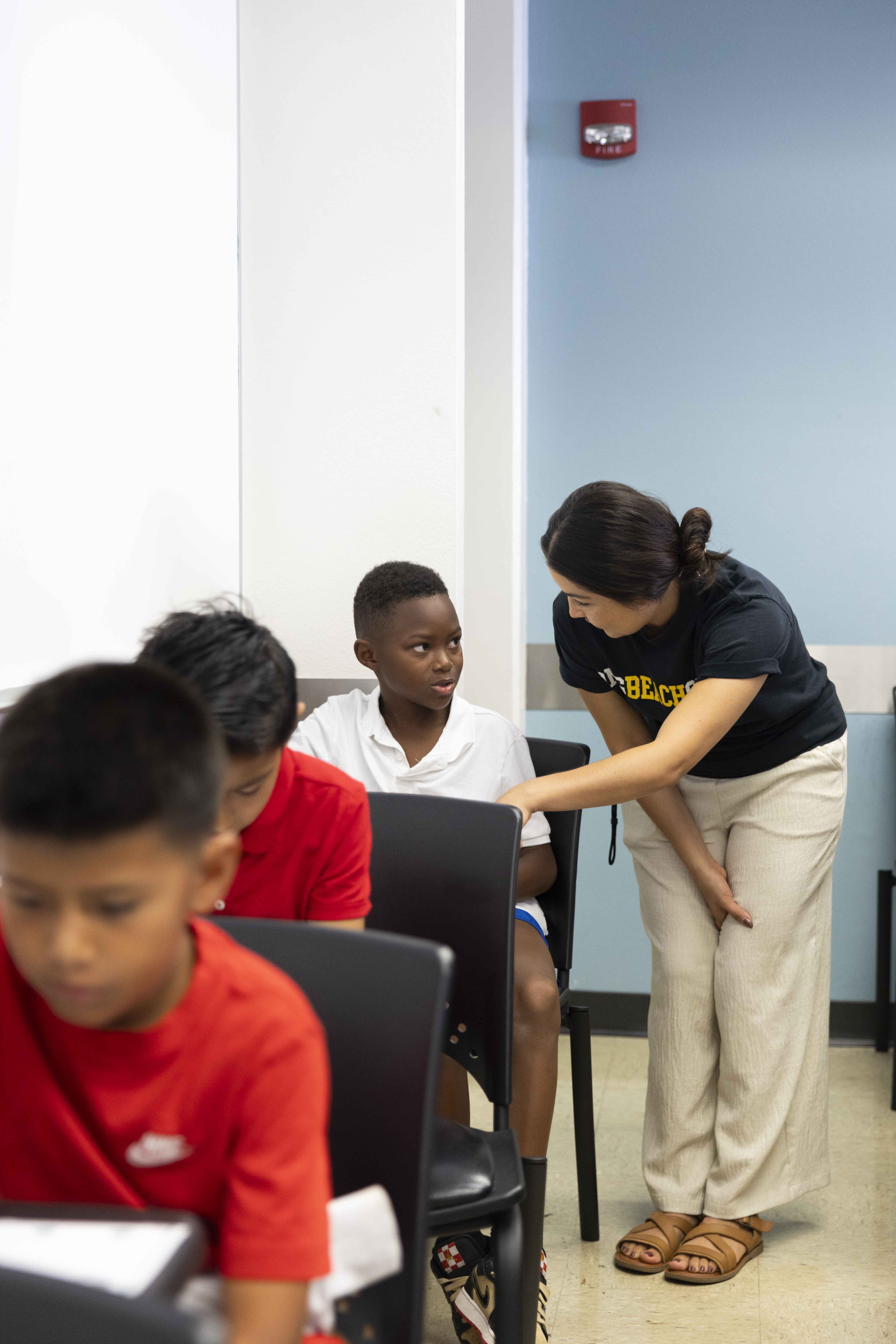
Melawhy, who also is an associate professor of health science at CSULB, credits the success of Harvesting Healthy Habits to student dedication and the hard work of Associate Director Natalia Gatdula. “
Their efforts are truly inspiring and mission-driven,” she said, “helping families build healthier futures and strengthening our community.”
Trabanino said it was gratifying to introduce things like celery for the first time to students. By the later sessions, she said, even children who had refused to touch a vegetable were "being the first one to grab something” from the garden.
The parent sessions, which Trabanino led in English and Spanish, were just as rewarding.
"I'm fluent in Spanish, but [I'd] never had to actually speak Spanish for two hours straight," she said. "I definitely felt more connected to my culture."
Making a difference
Diets heavy in added sugar and light on vegetables raise children's risk of chronic diseases such as Type 2 diabetes later in life, and in many Long Beach neighborhoods, healthier food is hard to come by.
This year, for the second time, the city's Department of Health and Human Services asked the center to lead Mi Vida Cuenta, an assessment of the health needs of Long Beach's Latino residents. Preliminary findings show only 26.5% of the 200 adult survey participants met the report’s recommended daily vegetable intake. And 61.5% said it was not easy to buy fresh fruits and vegetables in their neighborhood. More than half reported at least occasional food insecurity.
Pre- and post-program surveys indicate that children participating in Harvesting Healthy Habits were eating more fruits and vegetables — a finding that did not surprise Trabanino, who got to experience the program’s impact first-hand.
"A lot of what I was learning in class,” she said, “I was seeing it in real time.”