At The Beach, a new generation of nurses speaks their patients’ languages
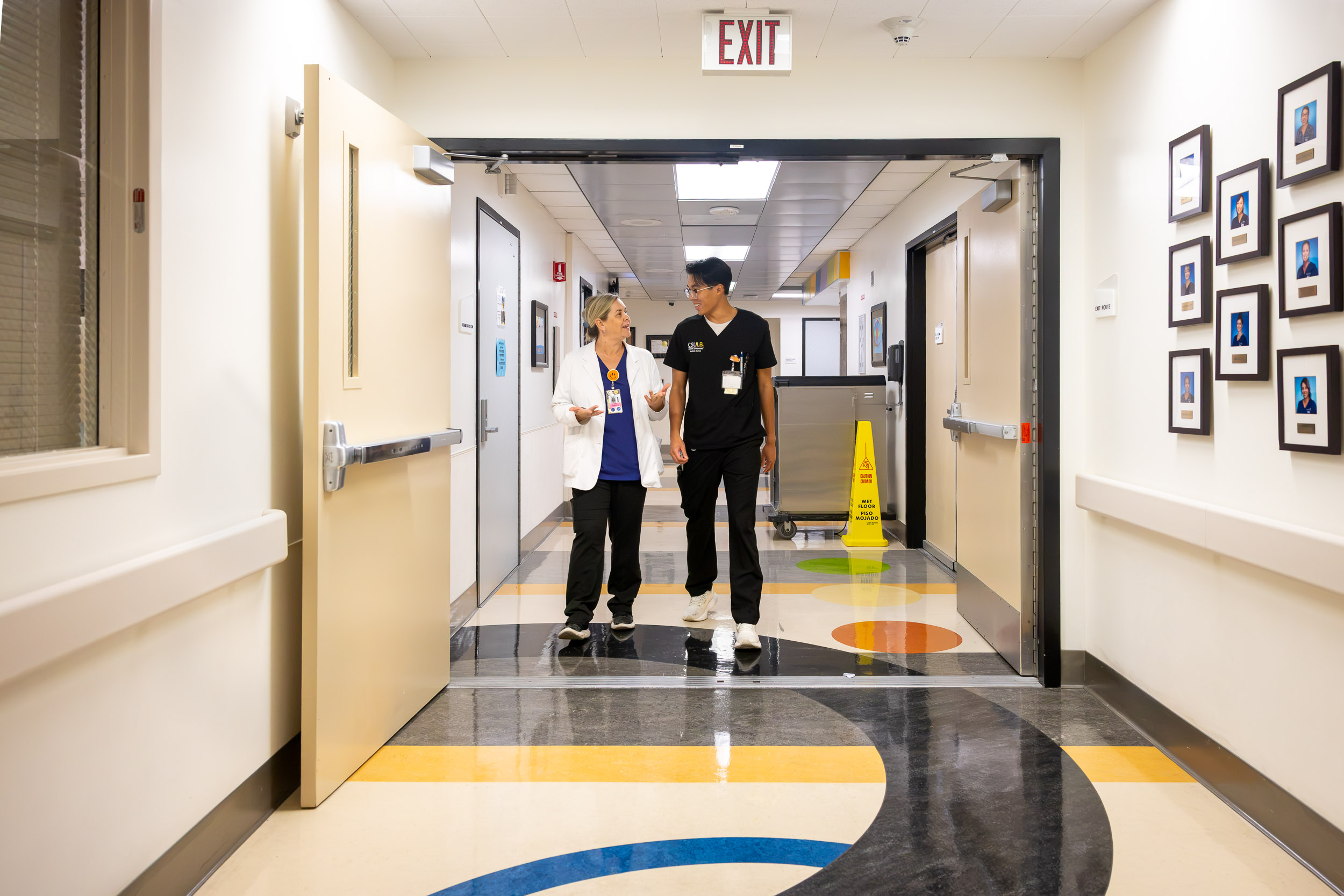
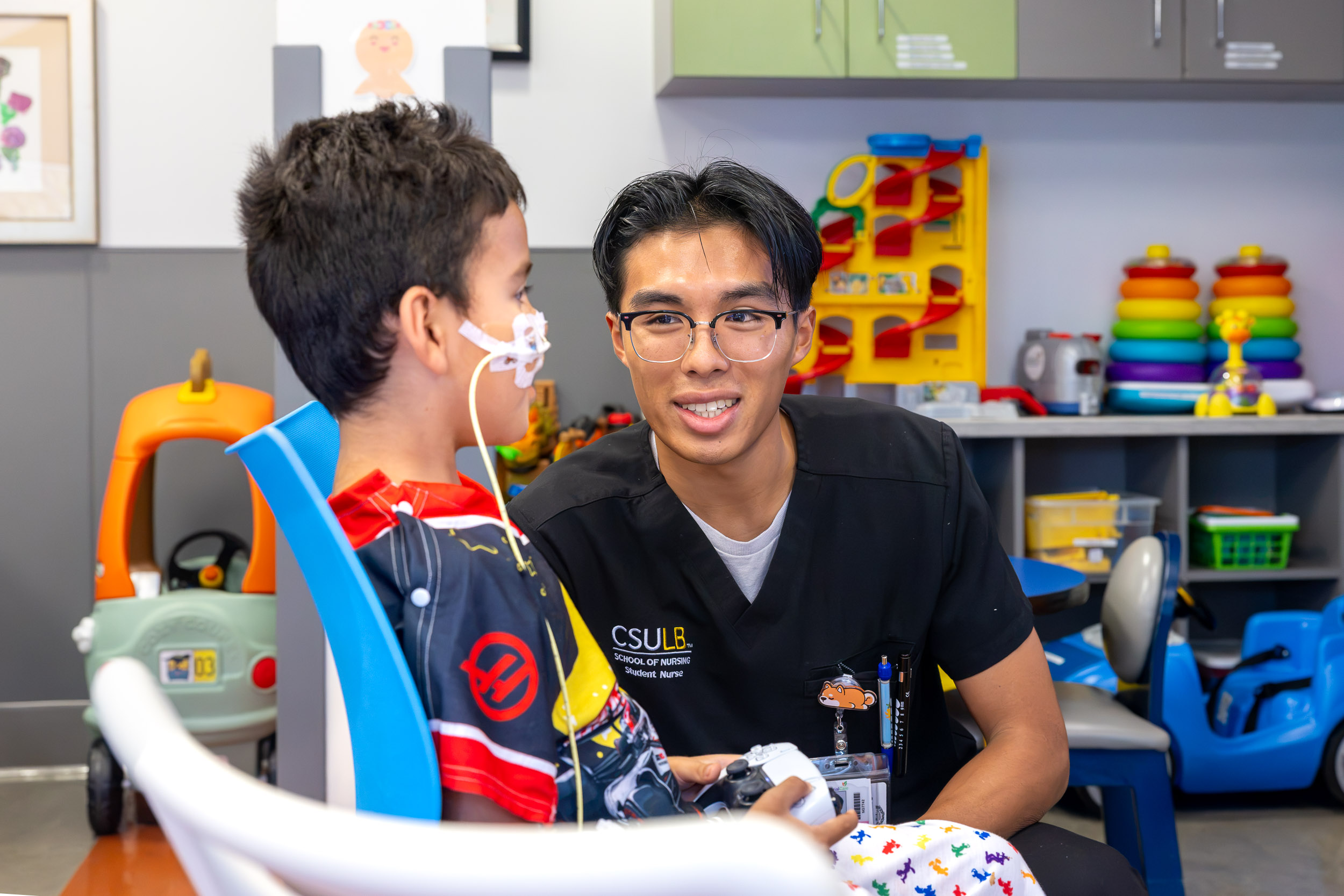
CSULB nursing student Cobi Nguyen was 16 when his Vietnamese American grandmother was hospitalized with pneumonia. Speaking little English, she nodded and agreed to whatever her care team suggested.
A few years later, when doctors told Nguyen’s grandfather he would lose the sight in one eye — in part because he tried to “ride out the pain” rather than seek help right away — Nguyen witnessed the pattern repeat.
“I would see my grandfather just saying yes and yes and yes to every single treatment."
By then, Nguyen had made up his mind: “Someone in my family needs to be a health care advocate,” he told himself, “because no one in my family understands the health care system or knows what’s going on.”
Now that someone is him.
Nurses who reflect their patients
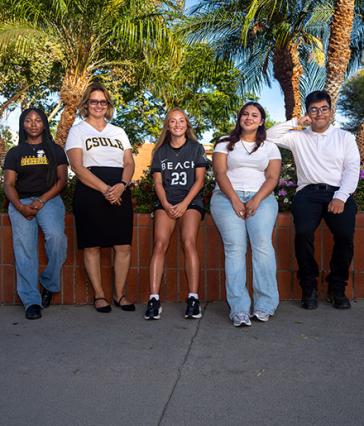
A federally designated Hispanic-Serving Institution and an Asian American and Native American Pacific Islander-Serving Institution, The Beach is home to a School of Nursing with a strikingly multilingual student body. Of the 299 BSN students in its new database, at least 99 speak a language besides English, from Spanish and Vietnamese to Tagalog and American Sign Language. Many were inspired by personal experience.
They also look different from the profession at large. Among the 200 BSN students who have reported their race or ethnicity, about 65% are Asian and 29% Hispanic. Among registered nurses working in California, those shares are 31% and 10%.
“A nursing workforce that mirrors patient demographics has been shown to improve communication, build trust and drive better health outcomes,” said Michael Williams, director of the School of Nursing.
The school, he said, weaves cultural humility through every course and tests it throughout. Students log about 1,000 clinical hours with real patients, including alongside hospital interpreter services, and cultural variations are built into simulations from asthma care to labor and delivery.
For Nguyen, that school’s diversity helped confirm his choice. At orientation, he said, “I saw so many students from all of these different backgrounds and cultures ... all working towards the same goal.”
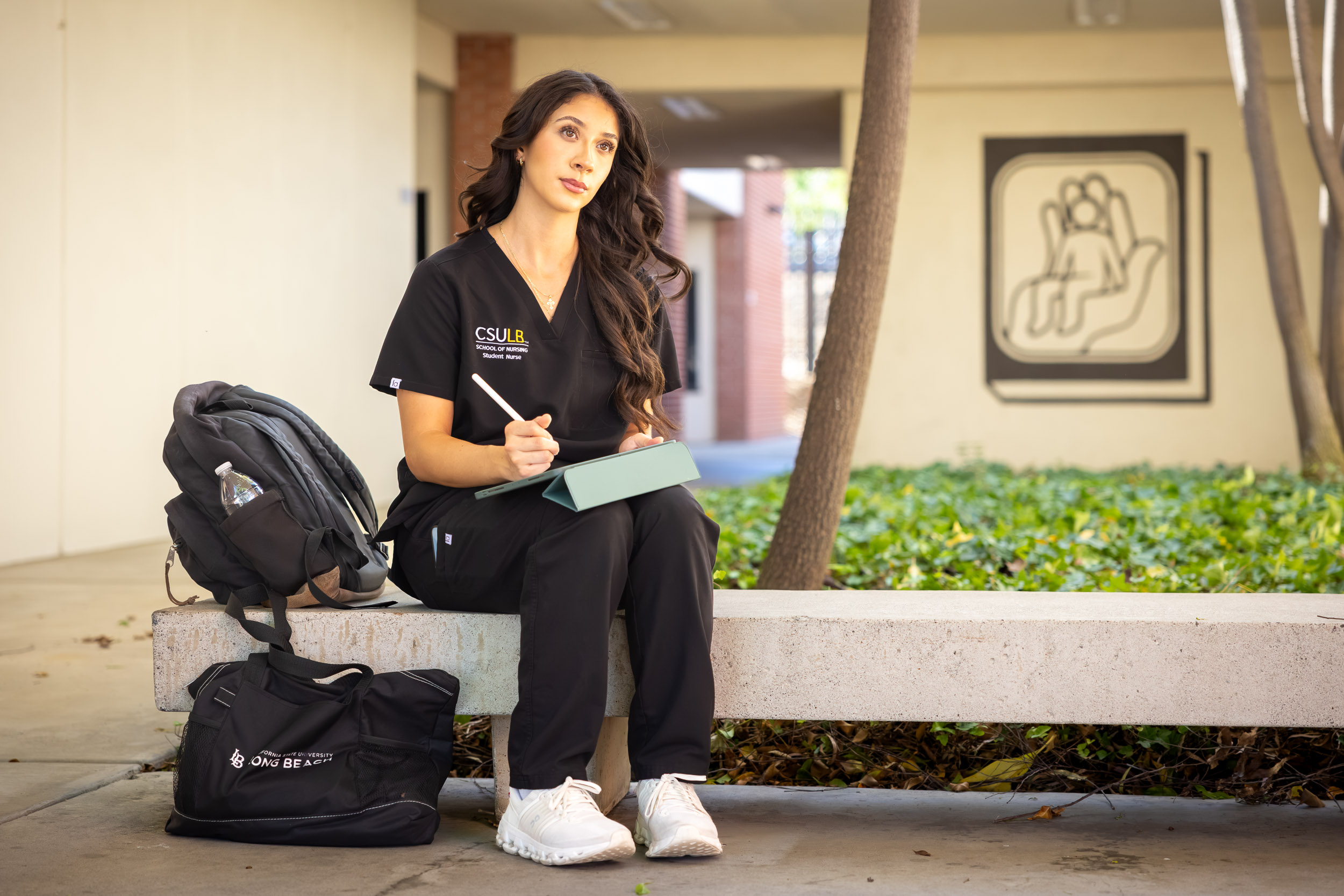
Translating the diagnosis
Virginia Soto Hernandez grew up on Catalina Island helping her parents translate everything from utility bills to medical reports. In 2024, she said, her mother put off a severe headache for so long that she finally had to take the ferry to the mainland and be admitted to an ICU in Torrance. Then 19, Hernandez worried her mother’s condition would be too complicated to translate.
“I don’t even know how to say neurologist in Spanish,” she said.
As it turned out, her mother's neurologist spoke Spanish, which immediately helped alleviate her family’s stress.
Now in her fourth semester and supported by three scholarships, Hernandez wants to lift that weight from others. The burden of understanding a parent’s diagnosis, she said, “shouldn’t be put upon their kids.”
Nationwide, about 1 in 7 emergency room visits involves a patient with limited English proficiency, meaning they are more likely to misunderstand their care, according to a 2021 study in the Journal of General Internal Medicine, which also noted a shortage of bilingual health care workers.
Back at the bedside
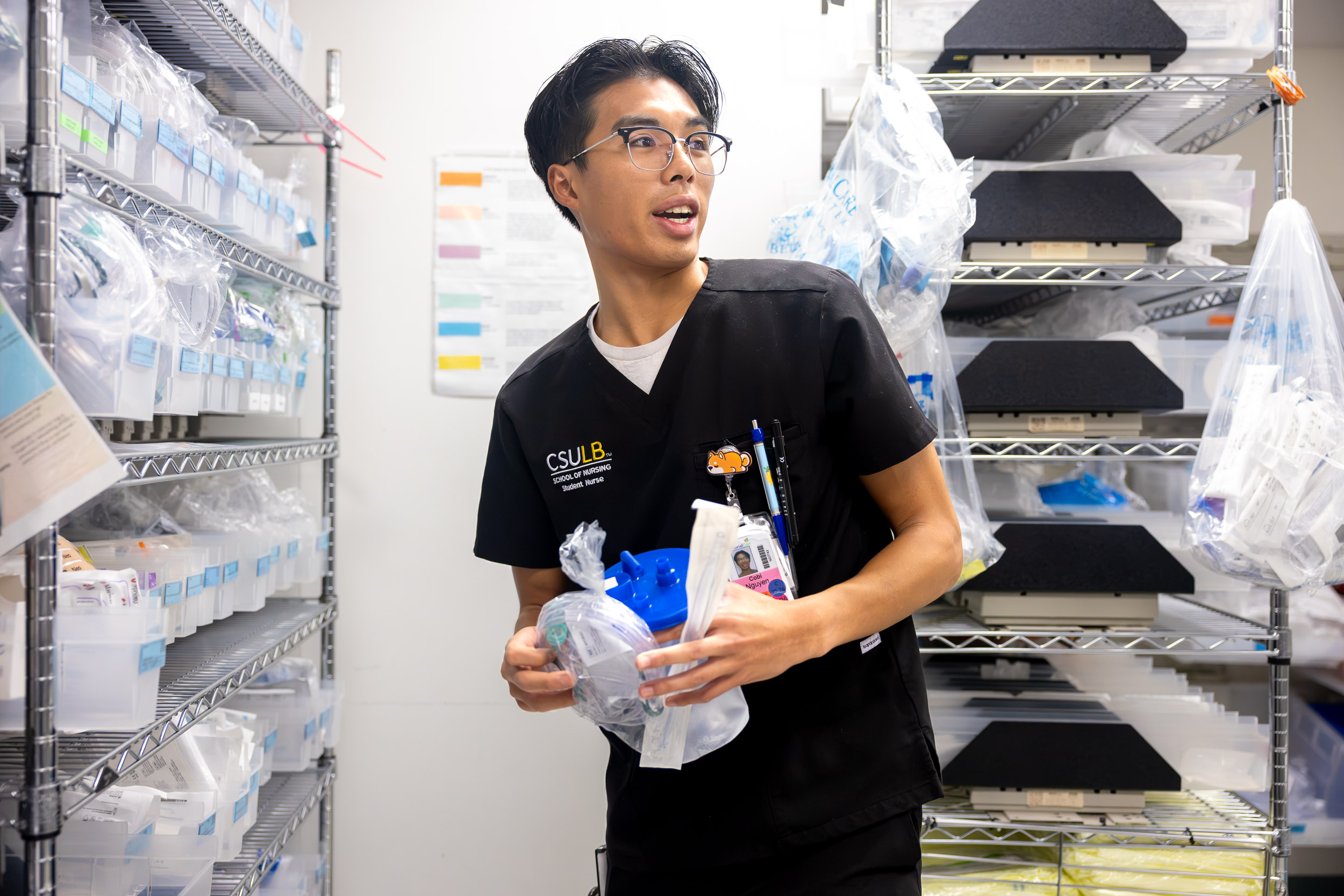
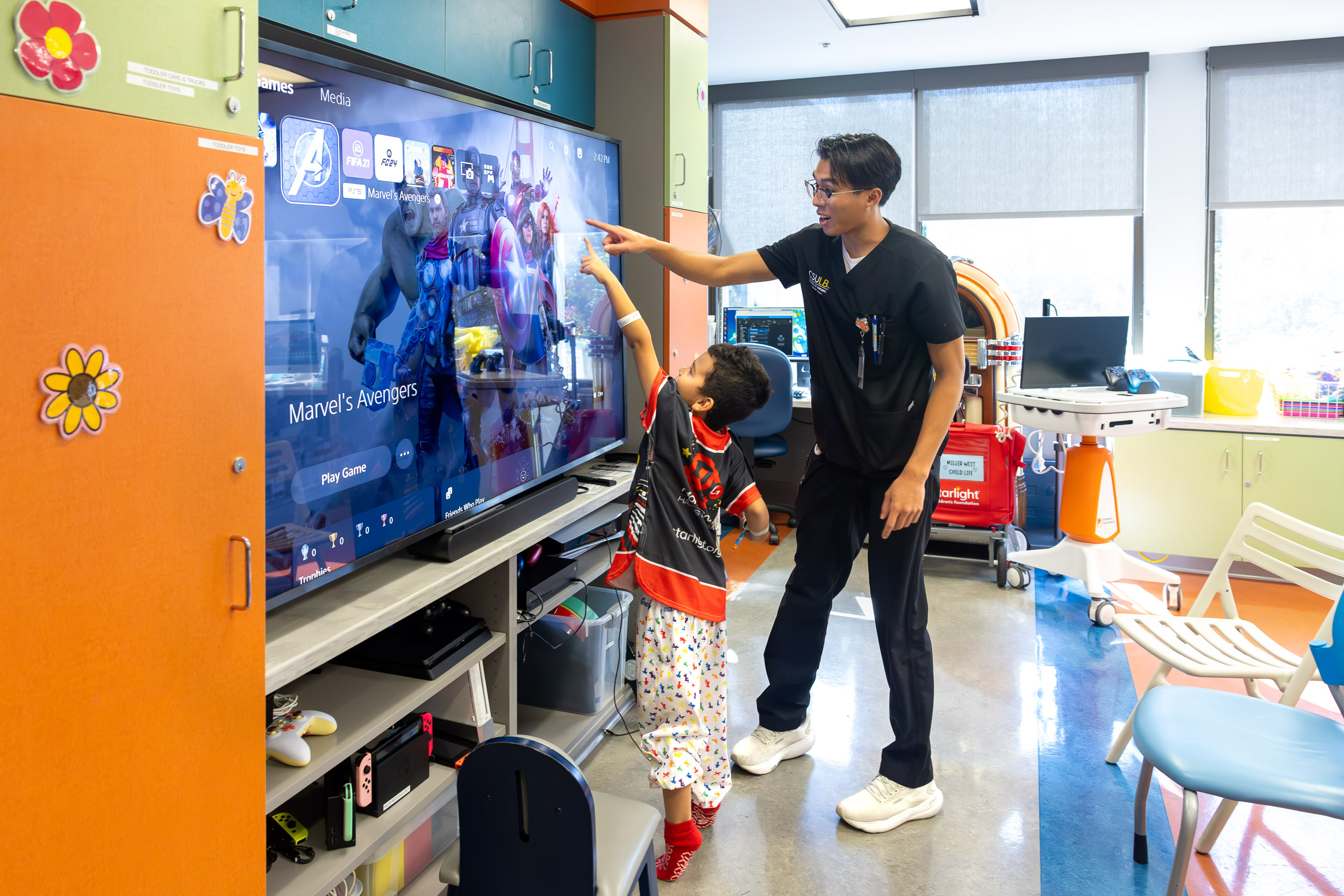
This summer, a patient in the ICU at Long Beach Memorial gave Cobi Nguyen a second chance at his grandfather’s story.
The patient was an older Vietnamese American man with a hematoma. As they talked in Vietnamese, Nguyen saw the resemblance: Both had fought for South Vietnam and spent five years in a reeducation camp before immigrating to America. Both had ignored their pain until it was critical, too proud and too wary of the system to ask for help.
Being a nurse who knew the system, comprehended the diagnosis and spoke the language was a gift to them both, Nguyen said. The man didn’t have to nod and pretend. He could speak and be heard — really heard — by someone who understood his culture, his experience and his pride.
"I got to have a great conversation with him,” Nguyen said. “It was amazing.”