



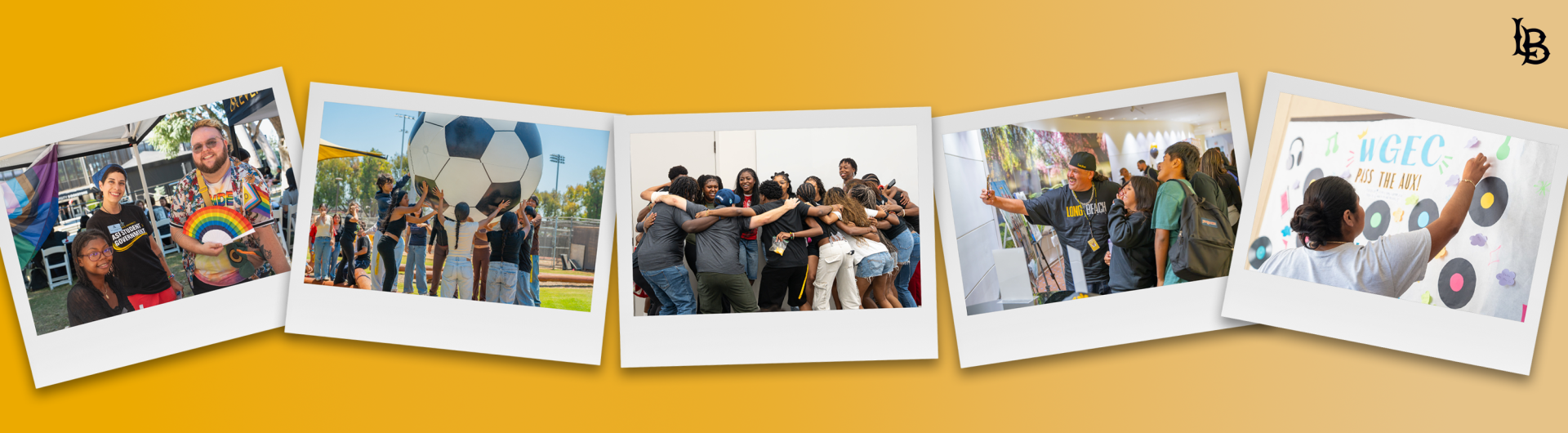
Belonging at the Beach
With the Beach community growing to more than 40,000 current students and the USU being closed for construction, the campus can, at times, feel overwhelming and impersonal. “... My classmates just show up to class, don't talk and leave.” Student Affairs, however, tries to help students find the connections they need to be successful in college.
To better understand how to support students, the Student Affairs Office of Evaluation and Assessment conducted six focus groups with more than forty students who had used Latiné Resource Center (LRC), LGBTQ+ Resource Center, Women’s & Gender Equity Center (WGEC), Men’s Success Initiative (MSI) or were part of the Educational Opportunity Program (EOP). These resource centers – and others like them across campus – are designed to help support students, and the goal of the focus groups was to hear from students, in their own words, what this looked like and how it was happening.
Students often talked about the tangible resources provided by these centers and programs, but just as often they spoke of how these centers and programs helped them connect to each other and of the support they received from staff. As one EOP student put it: “They already know who I am.” These resource centers provided invaluable help to students by fostering belonging, connections, and confidence as they navigate the campus.
Resources
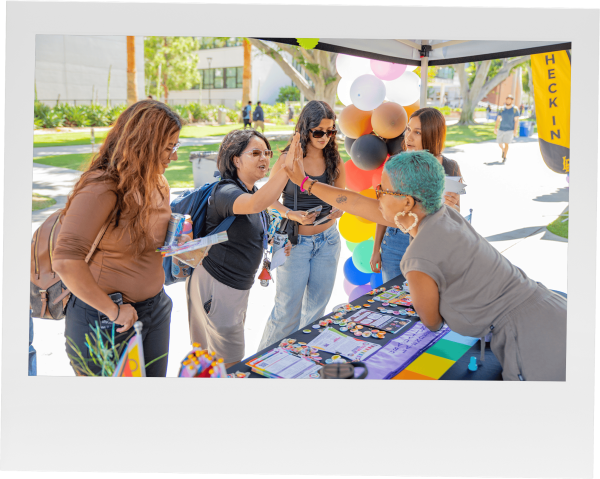
Students often spoke of the resources they found at these centers or were provided by the programs they participated in. For the LRC it was the computer rooms, free printing, and snacks while at the LGBTQ+ RC students appreciated being able to get Scantrons and greenbooks needed for exams. The WGEC provided resources needed by women: “I really use it for the period pantry.” The WGEC also offered critical resources for student parents: “We were going through a really hard time... WGEC was able to get me formula [for my child], which was huge.” EOP provided small grants to help with school supplies, but they also offered resources that literally helped their students cross the stage on graduation day: “... now that we are graduating, EOP is providing the regalia. That's really helpful for me because I don't have the money for it.”
Each of these centers and programs also have physical spaces on campus, which were also seen as valuable. An EOP student found: "The study room really beneficial. The computer lab is really, really quiet, it helps with intense focusing.” A student who participated in MSI activities talked about them as “a safe space ... everyone’s just chilling.” Particularly with the USU being closed for construction, students found additional value in the LGBTQ+ RC and LRC as quiet spaces to study, relax and just “be” between classes.
A Sense of Community
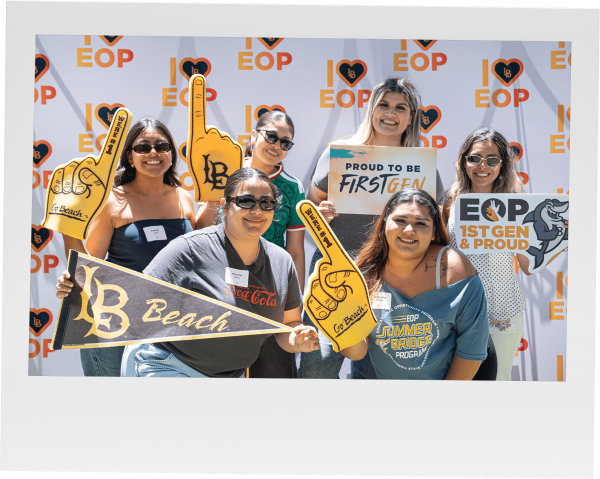
Students often pointed to events these programs put on as key places where these connections happened. EOP students often spoke of their Summer Bridge experience as a key place where they made connections, but one student remembered "a karaoke session in September [where] I was able to meet some people, and I made a lot of friends.” The student parents who frequented the WGEC often talked about those events as one of the few places where they could meet fellow student parents, and almost the only times where they felt like they could bring their children and feel included.
At the same time, the physical spaces, again, proved valuable support because their more human scale seemed to make it easier to connect with other students. The students who used the LGBTQ+ RC really found the ability let their guard down critical to being able to make authentic connections. “It's nice to go there and know that there's a place where I can go and hang out and talk to people who actually want to talk.” and “It is the space that makes it easier for us to be ourselves.”
The connections, however, extended beyond just the students who frequented the same places. An EOP student said “I do feel a little more connected to Long Beach with the EOP program.” While students who used the LRC sometimes saw that as their main connection to the campus: “The center is the only reason that I care about school or that I'm able to imagine myself graduating ...”
Staff Support

Students often spoke of particularly supportive staff. For EOP students, this was often the formal, academic advising, they received through the program: “My advisor actually explained to me what I’m supposed to do, what classes he thinks I’m going to have the next semester, and he also tried to actually engage with me.” In other programs, like MSI, students pointed to things they learned: “I value the workshops because they show you how college works ...”
More often though, students spoke of the support and encouragement staff provided: “The [MSI staff] make you feel seen. You realize you’re not the only one going through things.” ; “Talking to the people that work [at WGEC]... I feel comfortable talking to them about my situation and I feel like they’re understanding.”
