Join the Spring Session April 2 - May 25
What is OLLI?
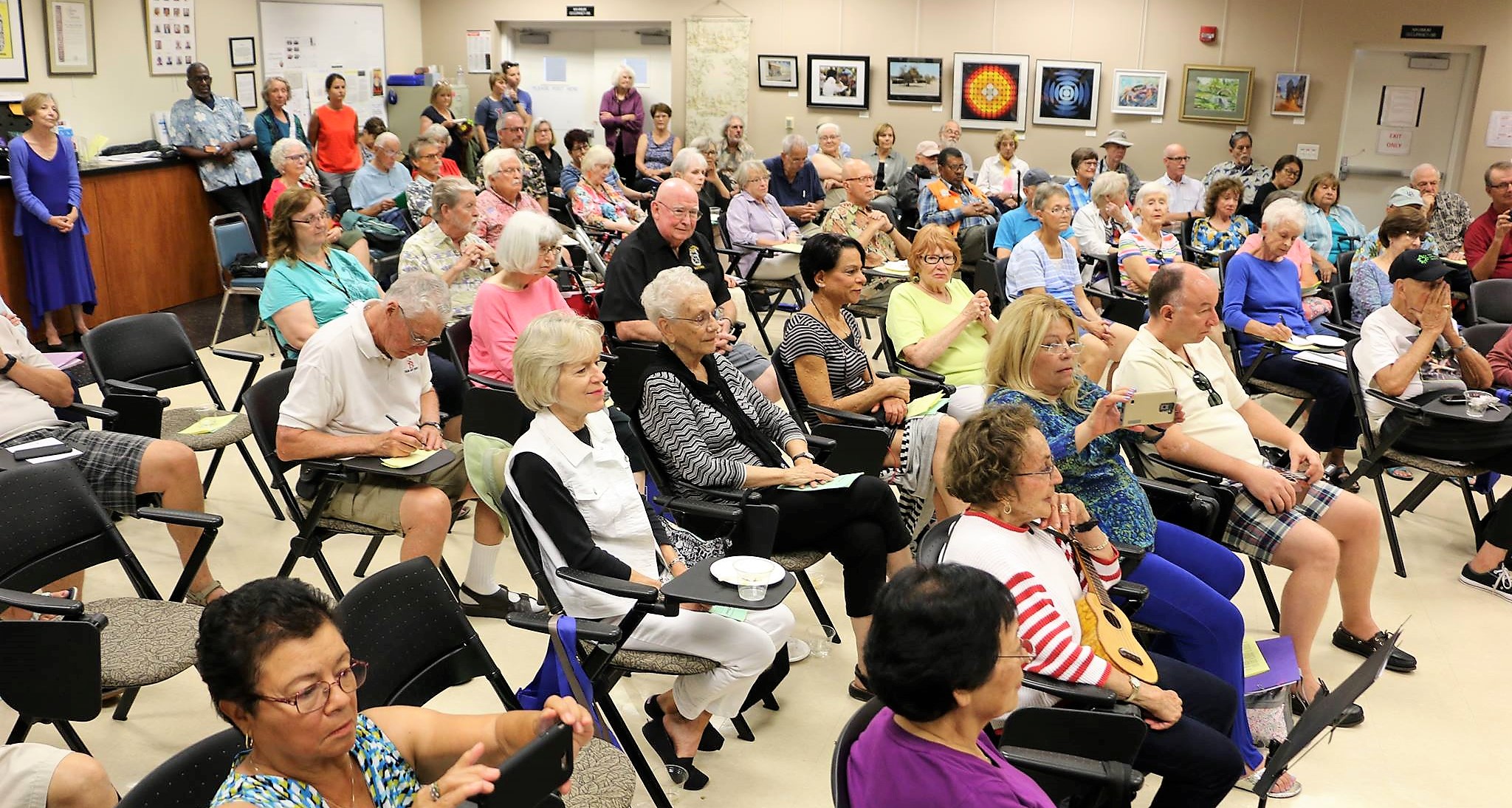
Osher Lifelong Learning Institute (OLLI) at California State University Long Beach (CSULB) is a Center in the College of Health and Human Services. With the exception of our Executive Director, Office Administrator, and one part-time assistant, OLLI at CSULB is operated totally by volunteers, from Instructors to committees and office work. There are four eight-week sessions each year. Classes are typically ninety minutes, and meet once per week, Monday through Saturday, between 8:30 AM to 5:00 PM.
Join Our Mailing List
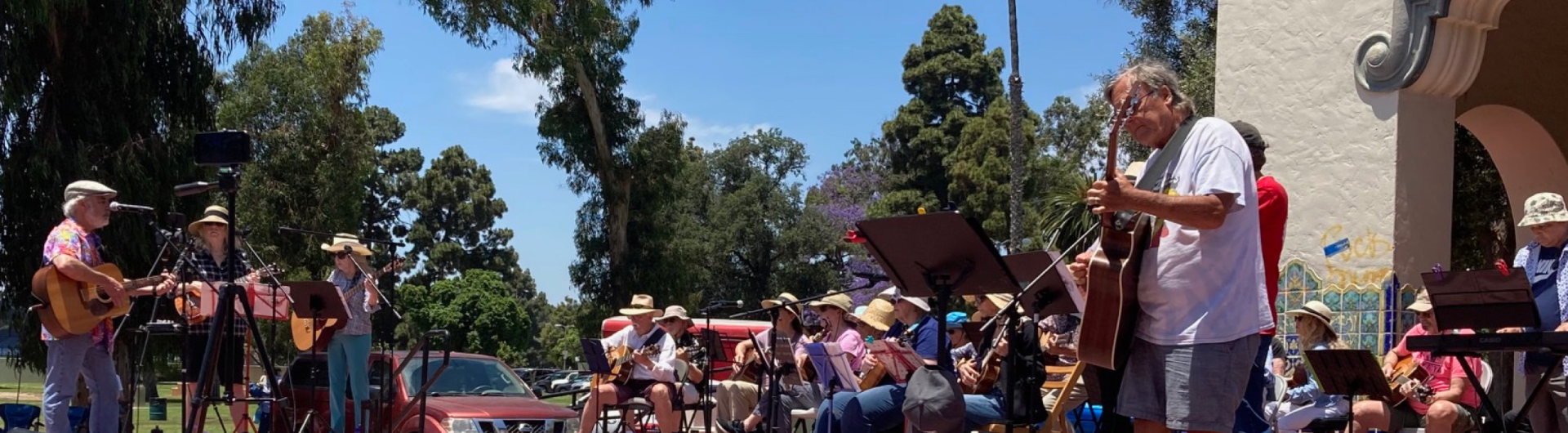
Each 8 week session, OLLI offers 50 to 80 different non-credit courses of interest to persons 50 years of age or older. There is no academic prerequisite for membership or to participate in the classes, just a desire to learn. In addition to classes on Zoom and on campus, we offer classes in community locations such as the Long Beach Bridge Center, Whaley Park, Houghton Park, St. Isidore Historical Plaza in Los Alamitos, and at the Alpert Jewish Community Center.
History of OLLI at CSULB
OLLI at CSULB started in early 1994 when a group of community members met with Dr. Don Lauda, Dean of the College of Health and Human Services (CHHS). After many meetings, "Senior University" officially opened its doors in the HSD building in October 1996 with 118 members registered for 9 classes.
Our relationship with the Bernard Osher Foundation began in 2003 when Senior University submitted a funding proposal and a $1 million Endowment was established the following year. Success in programming, community involvement, and additional endowments made for continued excellence. In 2006 we celebrated our 10th anniversary, A Decade of Learning, and officially changed our name from Senior University to Osher Lifelong Learning Institute at California State University (OLLI at CSULB). In 2016 we observed our 20th anniversary by honoring founding volunteers and supporters on Founders Day. In 2020, despite the Covid19 pandemic, we managed to keep OLLI classes going using Zoom with willing teachers and other volunteers. In March of 2022 we were finally able to celebrate our 25th anniversary.